A moment in my life: Ants

So many entertaining things happen in my life in Swaziland. These are the moments I will want to remember because they make me laugh, and they show insight into my daily routine. These moments are often hard to photograph and usually last only a minute or two. I will start sharing them with you in this occasional series. 

When I first moved in to my permanent site, I regularly woke up to an ant problem from a stray crumb. I gradually increased my sweeping from only in the morning to many times throughout the day. I also regularly apply a powder called Blue Death to a few inches of floor on both sides of my door frame, which also helps to keep insects out.

Then every once in a while I would awaken to find ants devouring something on top of my kitchen counter, usually a baked good that didn’t fit into a Ziploc bag.

It happened again today, after happening two weeks ago as well.

Easily a thousand ants had found their way from outside (guess I need to Blue Death that hole on the outside of my house again), up my curtain, and into my cake pan. My favorite yellow cake is not salvageable and will be feeding the chickens.

The incident a few weeks ago was worse because of spread. The ants had found their way to my container of egg shells that I save for my garden. When the box is full, I crush the shells and store them in a glass jar while they await dispersal. But I digress. I did not want to waste the egg shells or crush them ants and all and deliver all those ants to my garden, so I painstakingly cleaned all the ants from about four dozen egg shells. Then I noticed the ants had also made their way onto my food shelf of my kitchen counter, so I had to take everything off to remove the ants.

Posted in A moment in my life, Africa, Peace Corps, Swaziland | Tagged , , , , , , | Leave a comment

Wednesday photo: Farm duties 

I’ve been taking my role as farmer very seriously.

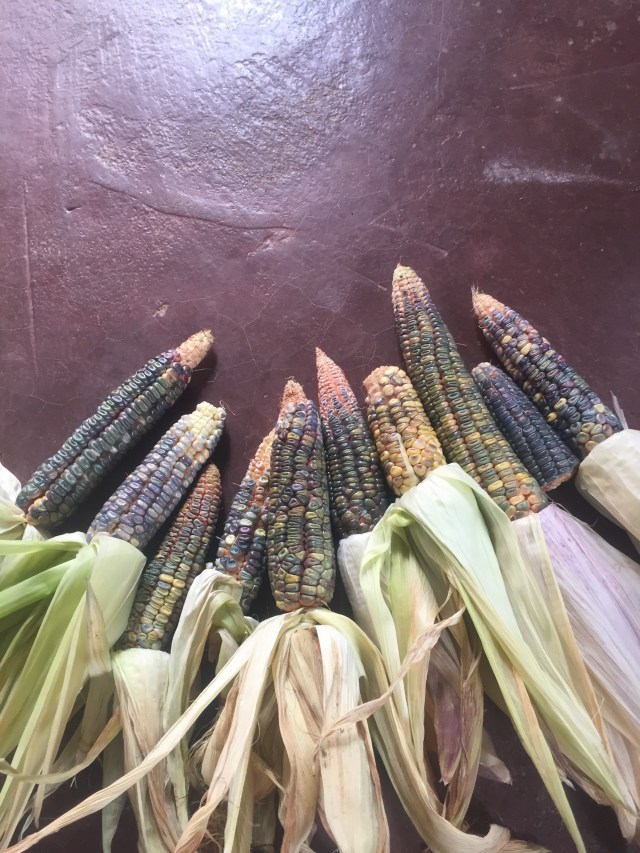
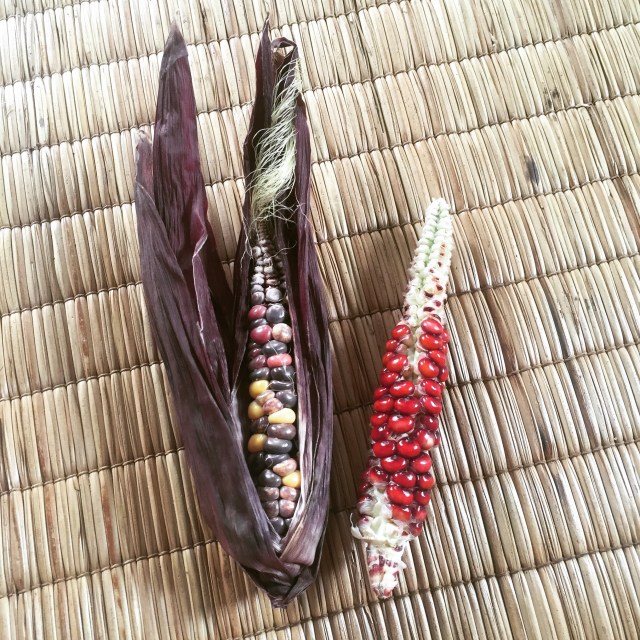
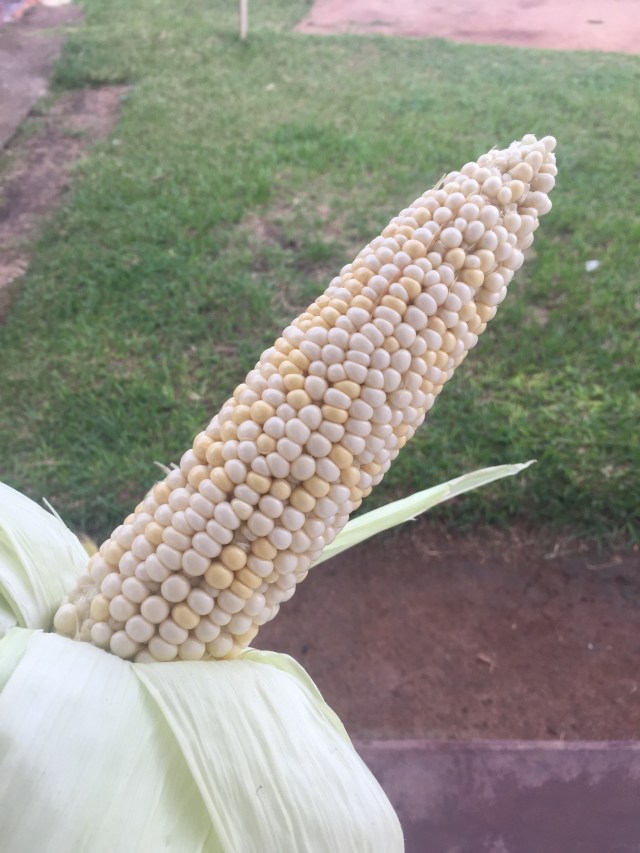
I’ve harvested a lot of maize the last few days that met my family’s approval. We roasted a few ears, and I’m boiling sweet corn for everyone today. I’ll be sharing butter, salt, and pepper too, so we eat the corn on the cob properly.

IMG_4956

IMG_4965

IMG_4967
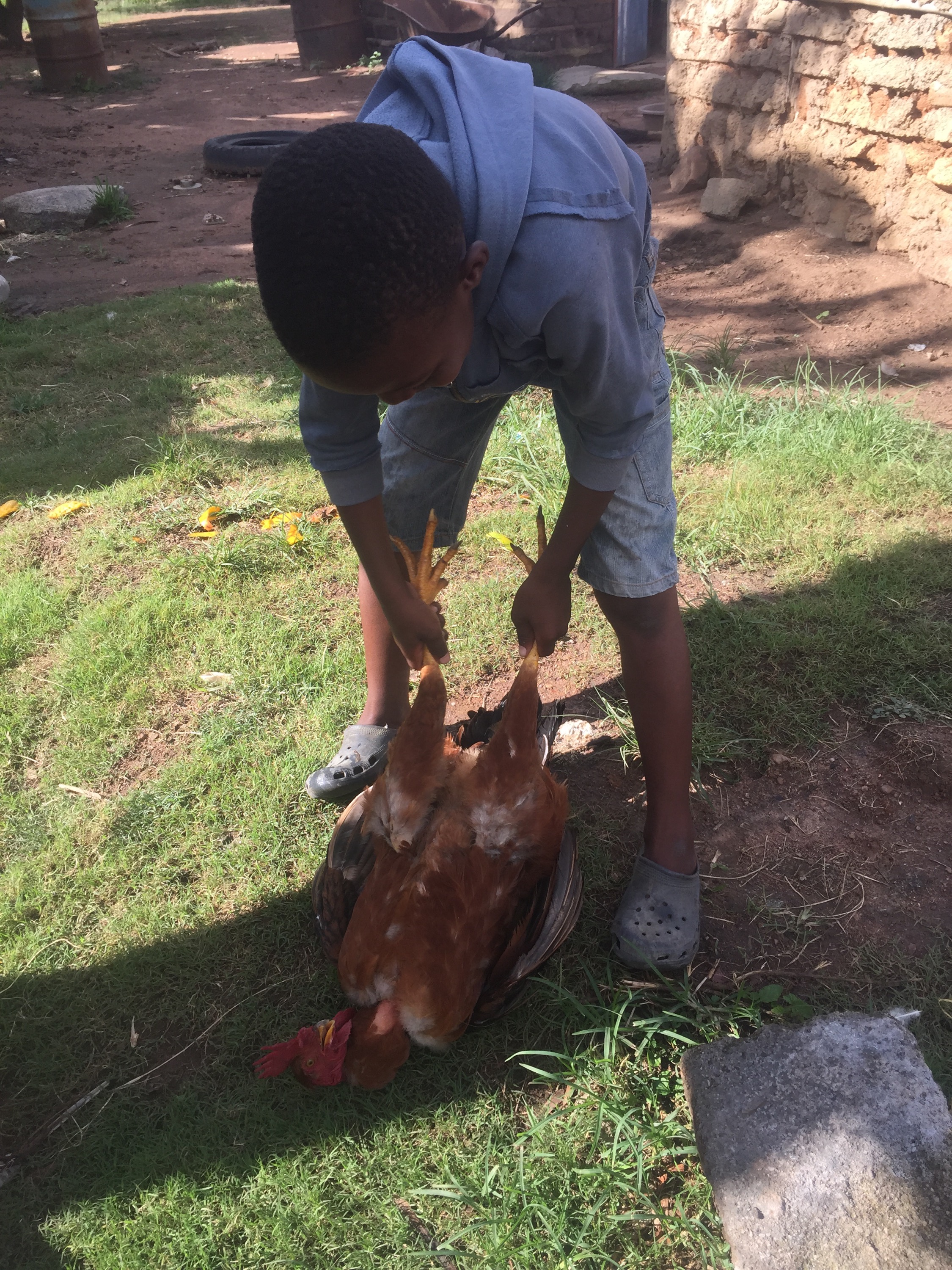
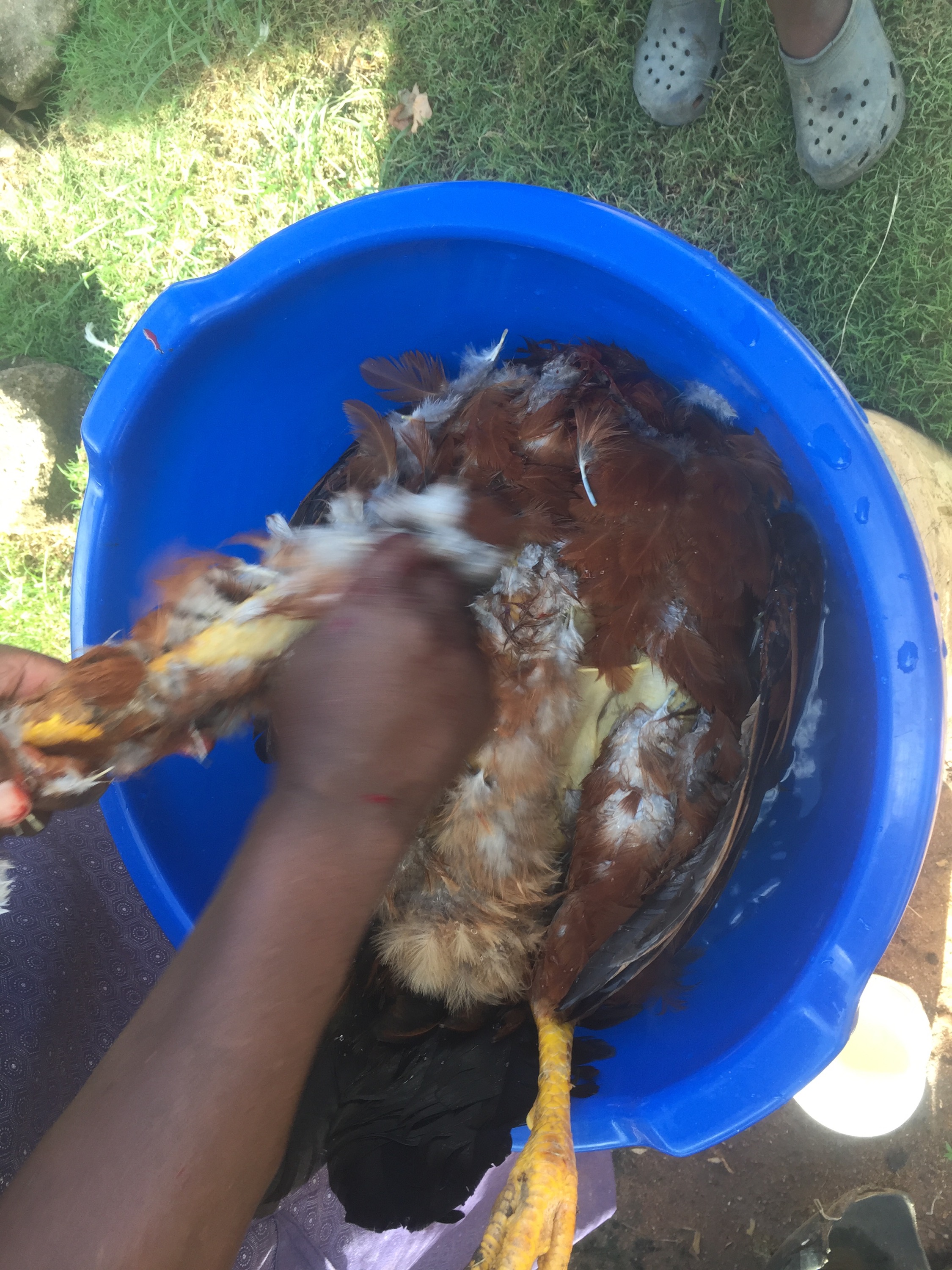
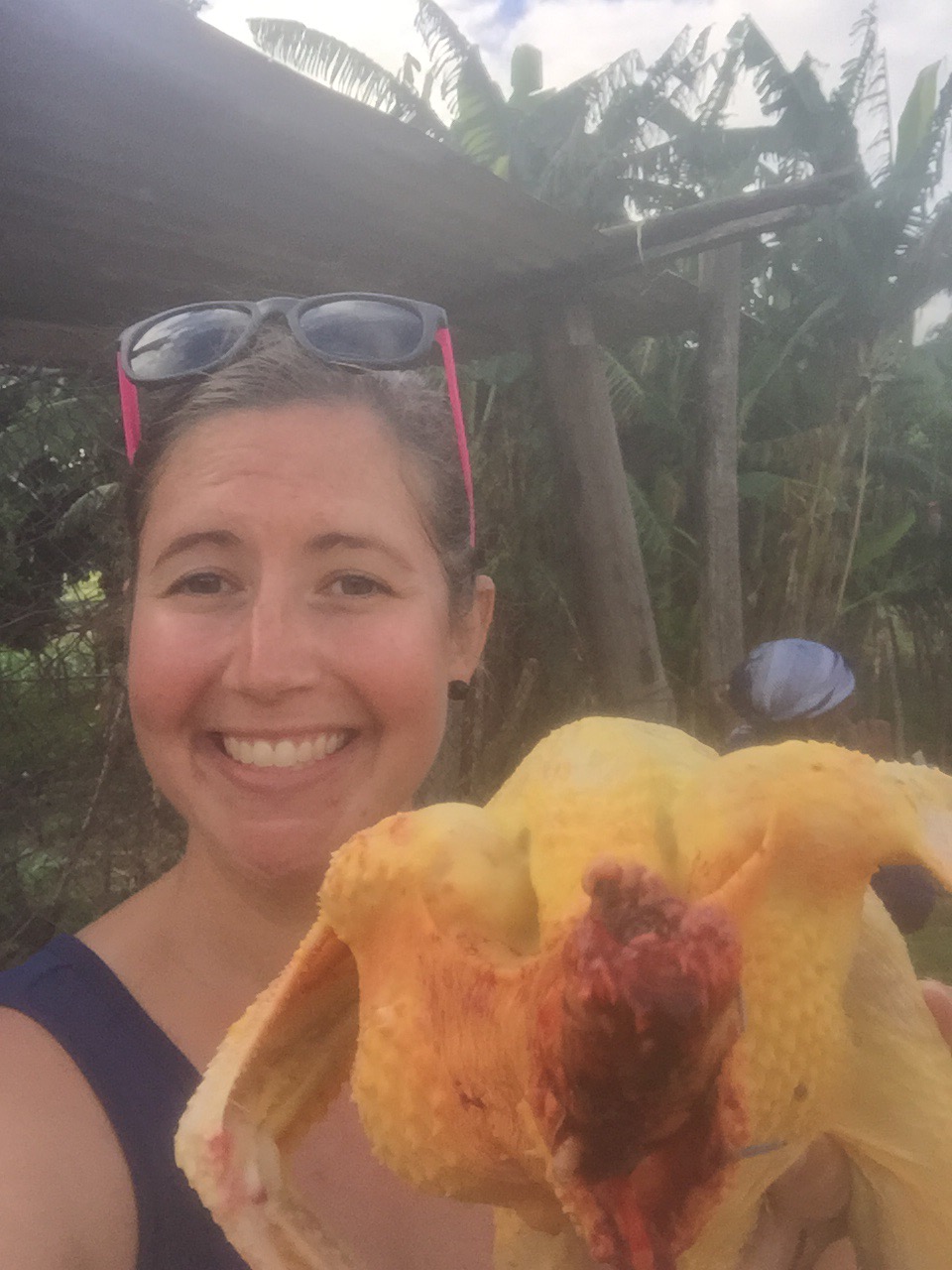
I also slaughtered another rooster yesterday. My younger bhuti caught him quickly and with make’s new knife, slaughter was easy. Another rooster is next in line because one of my older bobhuti was threatening to cook Sitfwatfwa.


Selfie with the headless rooster.

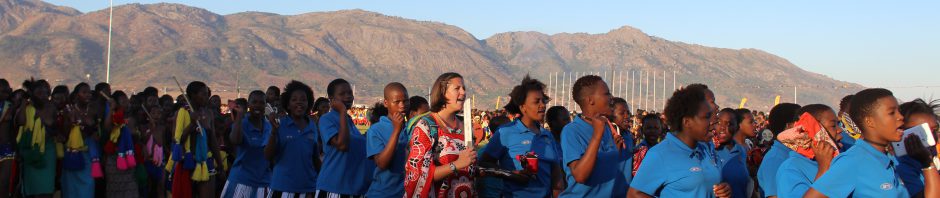
I’m taking the now frozen rooster to a party this weekend at another volunteer’s house who is hosting us for Buganu, the holiday celebrating the marula homebrew and other freshly harvested items. The Lutsango members, who are married women, are the main participants. They bring the food and beer to the queen mother and then dance for her. The emabutfo, the warriors, join in the singing and dancing.

Posted in Africa, Life, Peace Corps, Swaziland, Wednesday photo | Tagged , , , , , , , | Leave a comment

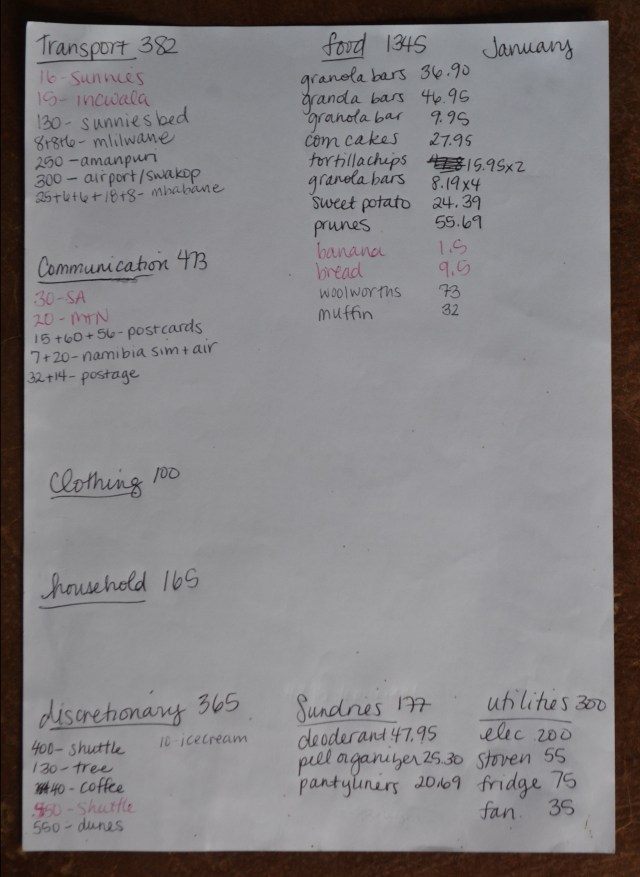
How I spent January’s living allowance

The answer to this question is easy: on vacation. I reflected some of those costs here, but in truth, I easily spent the entire allowance on my trip. I just tallied the costs listed here, and they are a few hundred emalangeni above our allowance. Spending so much money was totally worth it, though.

dsc_0030.jpg

Posted in Africa, Peace Corps, Swaziland | Tagged , , , , , , | Leave a comment

African money collecting

I do not recall how my money collection initially started, but for 15 years or so, it has been fun adding to the collection. One of my uncles is a regular contributor with money from his own travels. I am only starting to approach the number of his contributions to the collection.

At first, there was a lot of sorting and research to do. Then I studied abroad in Austria and added 10 or so currencies to the collection. The change to the euro has greatly standardized currencies, but each country is still able to make the designs on the coins, so there is still some individuality. During my year studying abroad I also made a trip to Slovenia in part for its currency because it was changing to the Euro the next year. To read more about my collection, check out these posts: Collecting foreign money and Slovakia, the euro and collecting currency.

I noted in “Collecting foreign money” that my currency collection was severely lacking African currencies. How convenient for my collection that I now live in Swaziland! Except that scanning bills and coins made for such beautiful photos, and my current one-room abode doesn’t have that luxury, so I hope the pictures suffice.

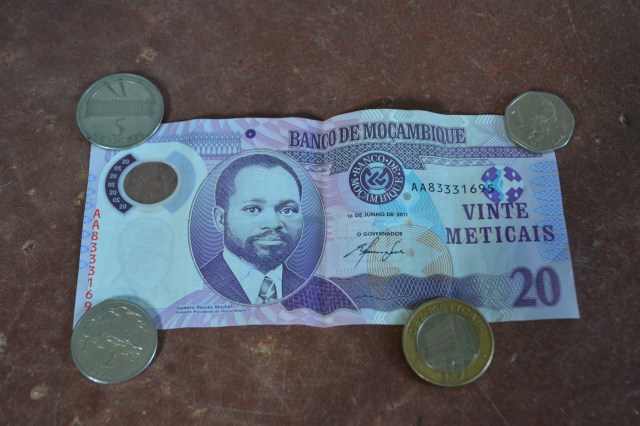
I traveled to Mozambique in April 2017. It was beautiful. I wasn’t harassed on the street and the food had variety and was cheap. I would go back, but a visa is expensive on the Peace Corps budget and distances within the country are far. Mozambican Portuguese sounded like French and sometimes looked like Spanish. It was entertaining trying to speak it.

On the 20 meticais (met-ih-cash) note is the country’s first president, Samora Moises Machel. He died in a plane crash in South Africa near the Swaziland and Mozambique borders, and his wife later married Nelson Mandela. The back of the 20 meticais note is a black rhino. The coins have a marimba (native to Mozambique!), an office building, a female student, and a fish.

DSC_0005

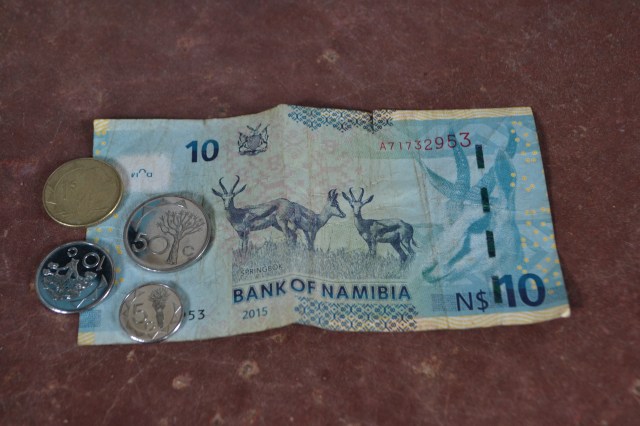
Namibia’s dollar is based off South Africa’s rand, just like the money in Swaziland and Lesotho. This N$10 note has Dr. Sam Nujoma, Namibia’s first president, on the front side, and these springbok on the reverse. I particularly liked the silver coins with trees, including the quiver tree and aloe. There is a bird of prey on the bronze coin.

DSC_0006

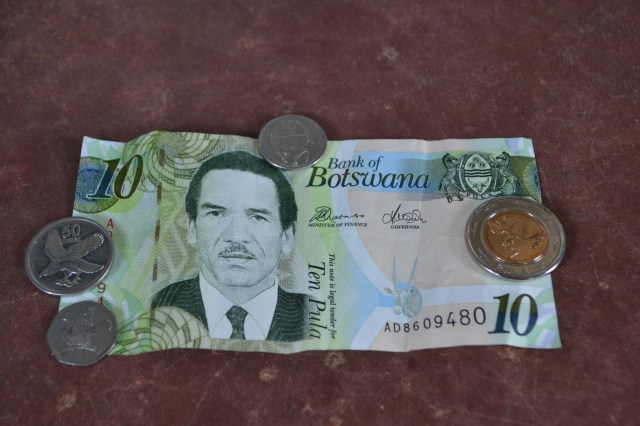
Botswana’s currency is called the pula, which means rain. This 10 pula note shows Botswana’s current president, Ian Khama. The crest in the upper right corner includes Botswana’s national animal, the zebra. The zebra was chosen because the country’s first president married a white woman, and the zebra has both black and white stripes. There’s also an oryx, a type of antelope, shown, with spiral patterns that represent traditional weaving. The coins show a black rhino, an African fish eagle, an oryx, and a red-billed hornbill.

DSC_0008

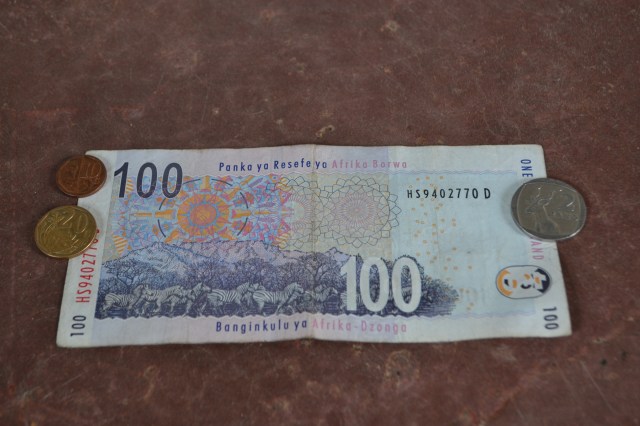
South Africa’s currency, the rand, has been updated since this 100 rand note was printed, but I like this version better. The current 100 rand note is blue and white with Nelson Mandela on one side and a buffalo on the other. The buffalo did not change from this note with zebras. The coins show a kudu and two different flowers. Rand notes are legal tender in Swaziland, but not the coins.

DSC_0011

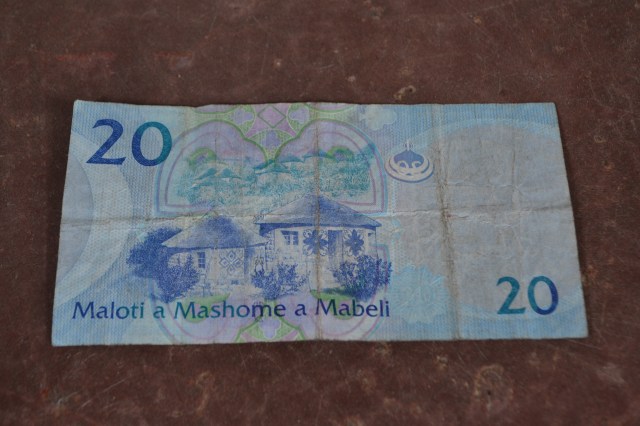
The currency in Lesotho is the Loti (maloti when plural). This side shows the style of traditional Lesotho homes. The other side shows former and present kings.

DSC_0013

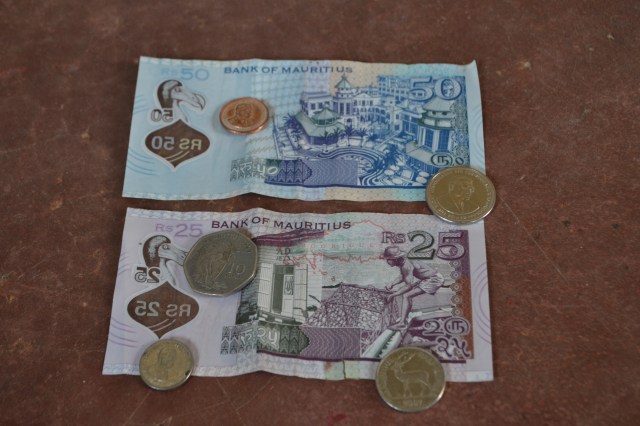
All of the rupee notes in Mauritius show the dodo bird, which lived on the island before becoming extinct. There’s an outline of the island on the Rs25 note. The coins all have the first Mauritian president, Sir Seewoosaguar Ramgoolam. The other sides show sugar cane, the country’s shield, and a deer.

DSC_0014

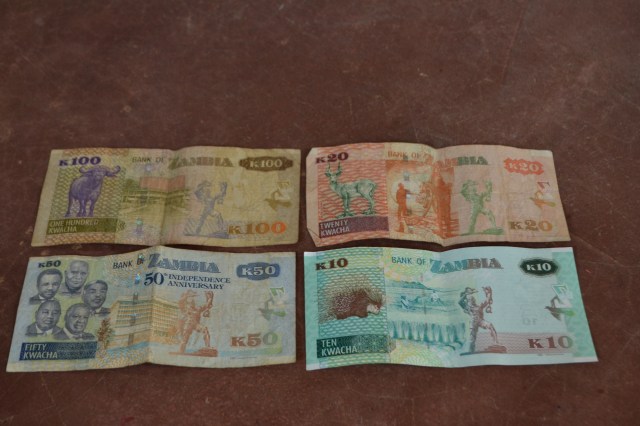
And finally, the Zambian kwacha. I first traveled to Zambia in May 2017, and I returned to visit Victoria Falls in January 2018. I regret returning with this much money because it’s a whopping $18. The currency has many scenes, including an indigenous man breaking the chain of colonization and the African fish eagle. Also shown are former leaders, the buffalo, the baobab tree, and the black lechwe antelope.

DSC_0016

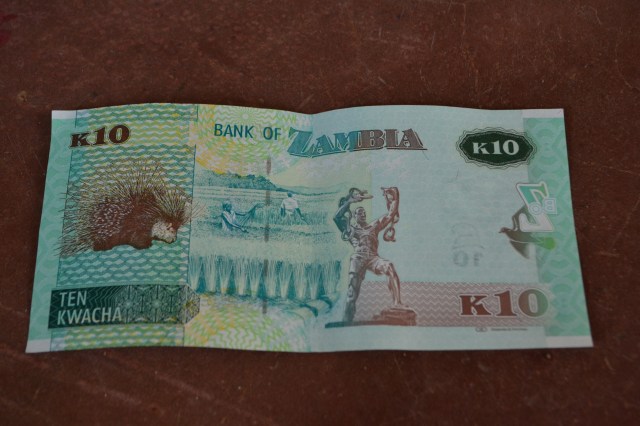
A close-up of the K10 note with a porcupine and rice fields. DSC_0017

I intentionally omitted Swaziland’s lilangeni from this post, because it deserves a post of its own.

Posted in Africa, Peace Corps, Swaziland | Tagged , , , , , , , , , , , , | Leave a comment

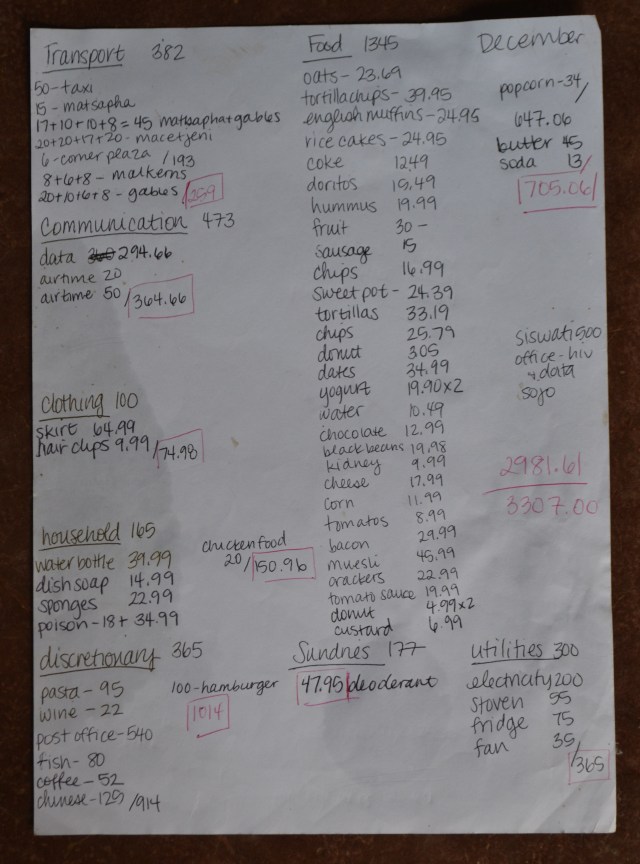
How I spent December’s living allowance

I stayed well under budget in the normal expenses of December, but I ate out four times and mailed two packages for Christmas that took a ridiculously long time to get to the U.S. I also tried to shop ahead for snacks for my holiday vacation, but did not buy too much ahead of time. But then we were paid for January just before my departure and I realized I was out of deodorant, so I made a trip to Gables to withdraw 3000 in rand (rand is legal tender in Namibia and could be used in Botswana and Zambia, too) and buy my last minute items.

dsc_0029.jpg

Posted in Africa, Peace Corps, Swaziland | Tagged , , , , , , | Leave a comment

Wednesday photo: The view from my bed

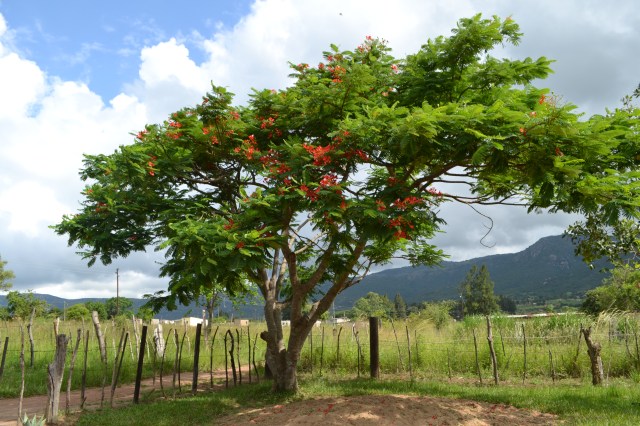
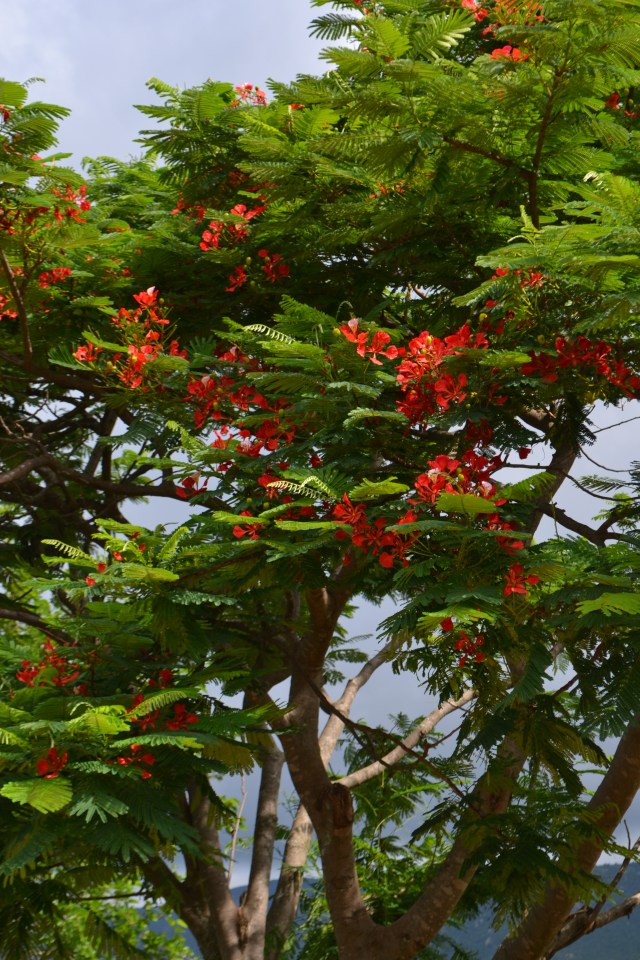
When my curtains are open on the side of my house, I can see straight from my bed to this beautiful tree in my front yard.

DSC_0031

DSC_0032

I consulted my wildlife guide but couldn’t make up my mind that this tree was any of the ones listed in my book. It’s not the coral tree or tulip tree, other red flowering trees that grow here and I love. I will have to do some more research.

Posted in Africa, Peace Corps, Swaziland, Wednesday photo | Tagged , , , , , , | 6 Comments

Wednesday photo: Hikes with friends

One of my goals for 2018 is to see more of Swaziland. This includes increasing visits to my local park, Mlilwane National Park.

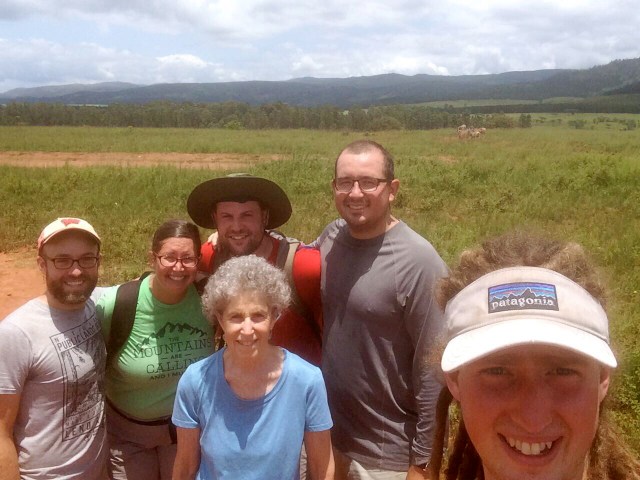
A friend and former volunteer in Swaziland visited with her son, so in addition to visiting my homestead and eating out, we went to Mlilwane to hike Execution Rock.

IMG_4907

The hiking group trying to pose with the zebras.

I did not make it to the top because of a short amount of time and my backpack rubbing my sunburn, but finishing a hike is not important to me. The views, exercise, and friendship were the important parts and absolutely worthwhile.

DSCF4390

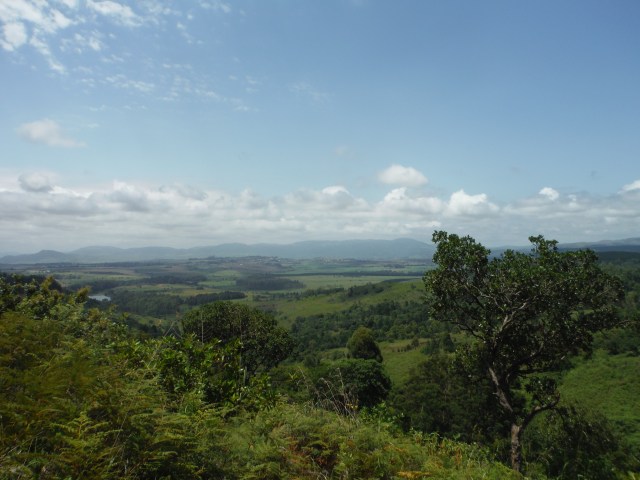
The view from my turnaround point. I live at the base of the mountains on the horizon.

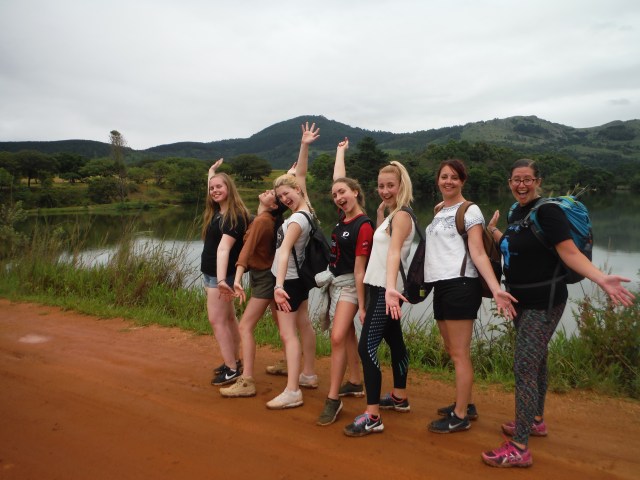
Earlier in the month, one of my friends from my holiday tour continued her tour from Victoria Falls en route to Cape Town. We met up at Mlilwane as well.

DSCF4381

Sarah and I are on the right at the Hippo Pool.

We did a loop hike through the central part of Mlilwane, and once again, it was great to get out and explore.

I use my WildCard for free entry into Mlilwane. I can use it at Swaziland’s two other national parks, and at most of South Africa’s parks. When buying it with a SADC passport or visa, the solo card pays for itself after three days at Kruger National Park. I have used it there, at Hluhluwe-Imfolozi in South Africa, and at Hlane in Swaziland.

Posted in Africa, Peace Corps, Swaziland, Wednesday photo | Tagged , , , , , , , , | 3 Comments

Victoria Falls: Zim or Zam?

I spent a lot of time on this question when planning the end of my epic holiday vacation through Namibia and Botswana. The tour I was taking with Acacia Africa ended in Livingstone, on the Zambian side of the Falls. Should I spend the time and money to go to the Zimbabwean side of the Falls, too?
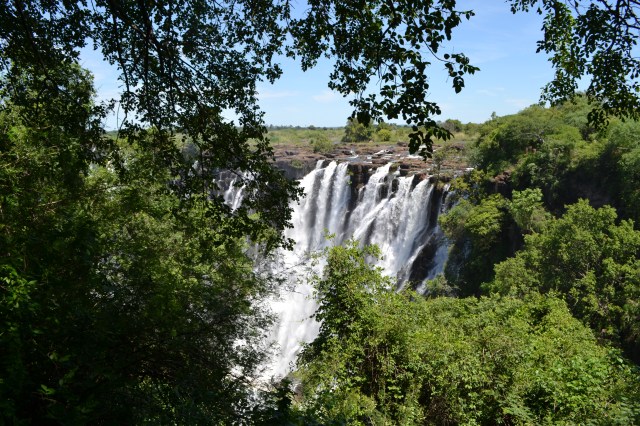
DSC_0833 1

Your first view of the Falls in Mosi-oa-Tunya National Park is of the Eastern Cataract.

I ultimately decided yes, based on many factors.

But then the change in power happened in Zimbabwe, and all Peace Corps Volunteers were prohibited from travel anywhere in Zimbabwe. Peace Corps travel is indefinitely suspended to Zimbabwe.

So if you are a current PCV, the answer is easy: you have to choose Zambia.
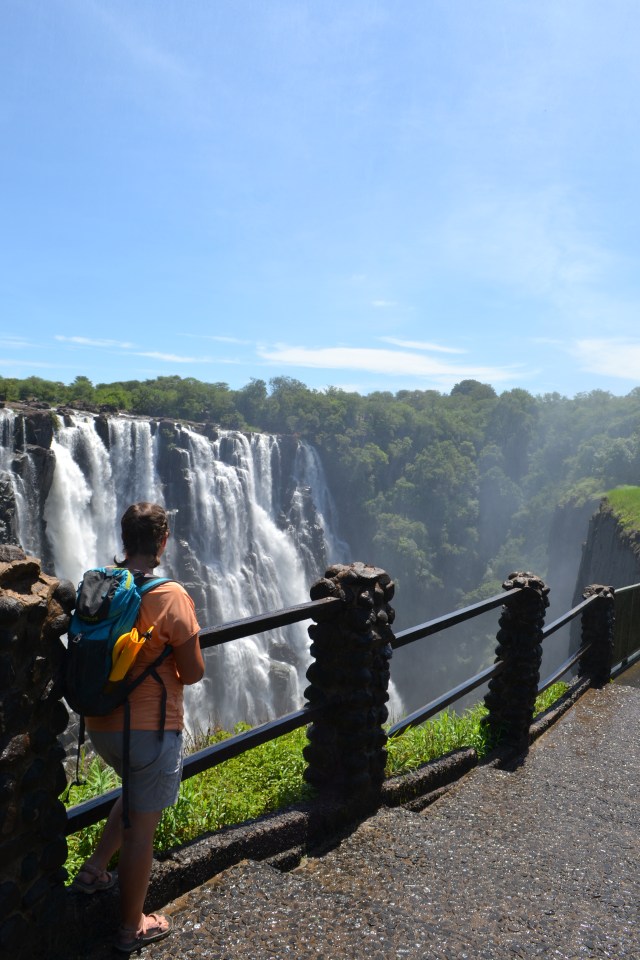
DSC_0846 1

Looking back at the Eastern Cataract after crossing the Knife Edge Bridge. There was a light mist in January.

I was underwhelmed by the Falls and too poor to enjoy the adrenaline-pumping activities on offer, and in hindsight a visit to both sides of the Falls seems unnecessary.

Simply put, most activities are available from both sides, and unless you have lots of cold, hard cash in the form of U.S. dollars, you can get relatively similar experiences from both sides.

Instead, I would choose one side of the Falls combined with wildlife drives in Chobe National Park just upstream in Botswana if you are looking for more to do in the area.
DSC_0870 1

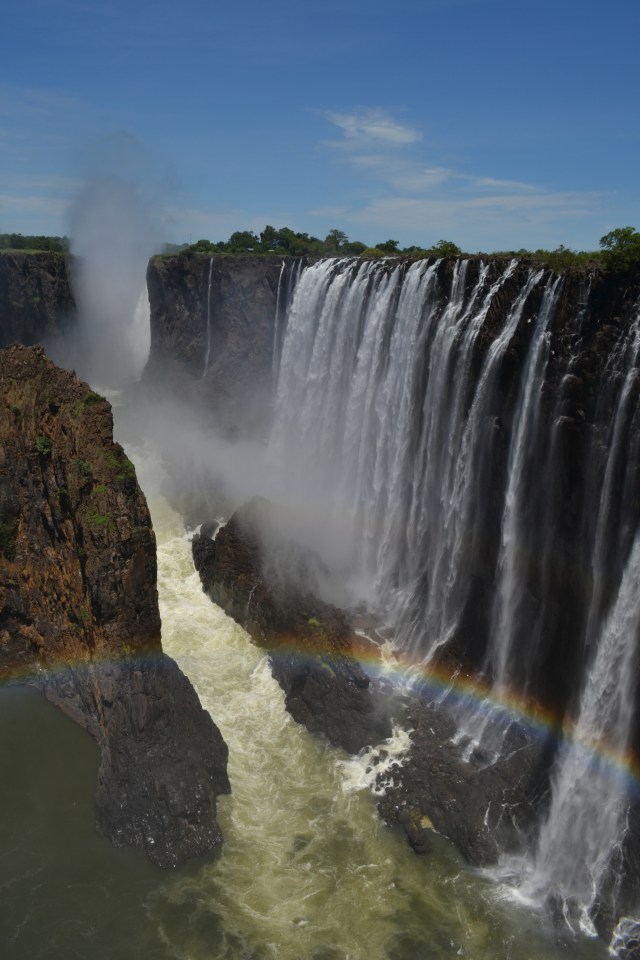
Rainbow Falls. The Falls’ local name, Mosi-oa-Tunya, or the Smoke which Thunders, makes perfect sense from this view point. The wall of rock jutting out from the left of this photo is Zimbabwe and continues back to were you can see grass to the left of the mist in the upper left. The Falls was much longer/wider than I expected, with it extending nearly 2 kms. 

Things to consider when choosing which side of the Falls to visit:

Airport: Flights were cheaper to Victoria Falls, Zimbabwe, than Livingstone, Zambia, from Johannesburg. Kasane, Botswana, should also be considered as a potential airport. I believe transport between the airport and most hostels is comparable in Zim and Zam.

Cost into the national parks: To see the Falls in Zambia, the cost is $10 per person. It is $30 per person in Zimbabwe.

Location of town: Victoria Falls town is much closer to the Falls (practically in town), as compared to the Zambian side, where a taxi is required to get from town to the Falls.

Money: Kwacha, the official currency in Zambia, and USD are used on the Zambian side. ATMs have cash, as do money exchange locations. USD is the official currency of Zimbabwe, and ATMs are never guaranteed to have any money. You need to bring in as much USD as you might need (make sure it was printed in 2006 or sooner), although some businesses allow payment by credit card.

Visa for Americans: It costs $50 for a one-time visa to Zambia. It costs $30 for a one-time visa to Zimbabwe. It costs $50 for the Kazavisa, which allows double entry into both countries, but there are no guarantees that it will be available at any border. It was available in early January 2018 at Kazungula in Zambia. Botswana does not have a visa fee for Americans, but the country may be collecting a tourist levy of $30, payable by anyone who does not have a SADC passport or visa.

Activities: Like I mentioned above, the available activities are nearly identical from both sides (bungee jump, helicopter ride, sunset cruise, white water rafting). In Zimbabwe, the additional available activities include game drives in Stanley and Livingstone Private Game Reserve where there are black rhinos. In Zambia you can access Devils Pool, which needs to be booked ahead. Both sides have an activity I would not recommend: wildlife interactions. In Zambia you can walk with and ride elephants and in Zimbabwe you can walk with lions. Neither of these is good for the health of the animals.

Language: Both countries are former British colonies, so English is commonly spoken as a second (or third) language. I could not understand the local Zambian language, but siSwati and isiZulu speakers will be able to communicate with the Northern Ndebele speakers of Zimbabwe.
DSC_0883 1

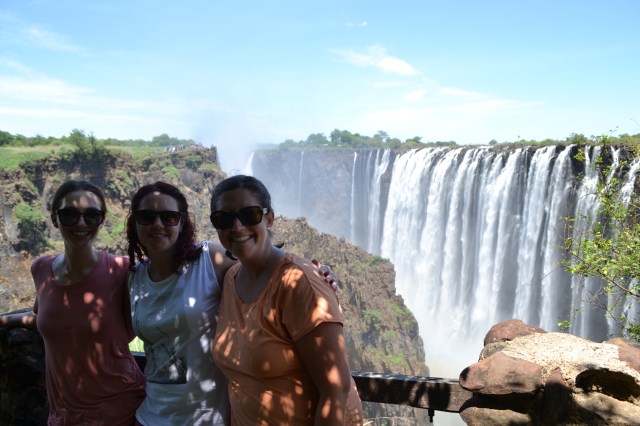
Enjoying the view.

If you do decide to visit both sides of the Falls, I think a day trip to the other side is a better option if you can get the Kazavisa. A day trip allows you to walk across the bridge between the two borders, about a 2 km walk, for free and without a lot of baggage. If you have the extra USD, you can take a taxi from your hostel on one side, cross the first border, drive to the next border, cross the second border, and get a new taxi to the Falls or town. Expect at least $40 for the taxi option.

Overall, I think traveling to the Zambian side is easier for money reasons, but no locals expressed any safety concerns with traveling to Zimbabwe. If acquiring enough USD before travel is not a concern, and you are not a PCV or the travel ban is lifted, I would choose the Zimbabwean side.
Posted in Africa, Peace Corps | Tagged , , , , , , , | 1 Comment

Wednesday photo: Death and life

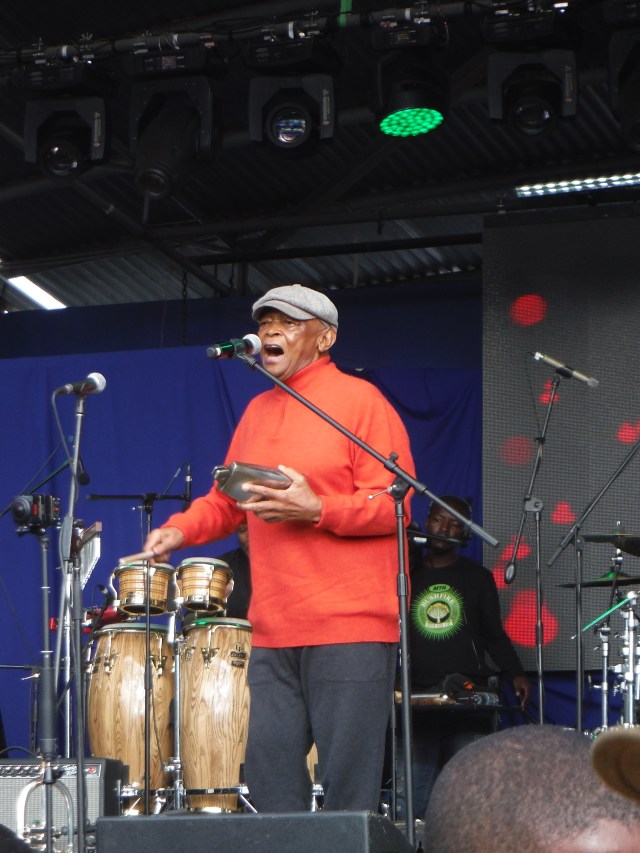
I woke up on Tuesday to the news that Hugh Masekela, a South African musician who performed at Bushfire last year, had died.

DSCF3840

Watching him perform was beautiful, especially because of the way a 78-year-old musician was still rocking on stage and connecting with all of the young people in the crowd.

Later in the day I noticed that both Thandi and Sitfwatfwa’s eggs had hatched. Make says three belong to each hen, but I do not think that is the case. All of them belong to each other, as they brooded next to each other, and I think Thandi generally sat on all the eggs.

And then, at bed time, I checked my email one last time for the day, where I saw that my grandmother on my father’s side died in her sleep.


Dead. Life. Death.

Posted in Africa, Life, Peace Corps, Swaziland, Wednesday photo | Tagged , , , , , , , | Leave a comment

Wednesday photo: Flamingos

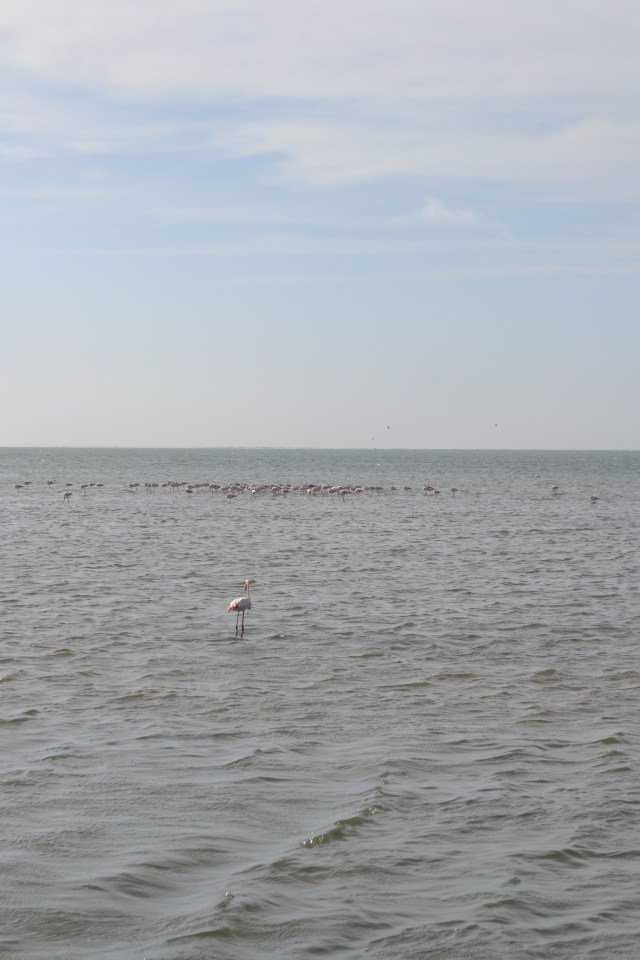
I had been trying to see these pretty-in-pink birds for years, with failed attempts in Kenya and South Africa.

When I planned my trip through Namibia and Botswana, I specifically arranged one extra day before the trip so I could see the flamingos in Walvis Bay. I booked lodging within walking distance and when I arrived there were none visible.

Like on my trip to Lake Nakuru in Kenya, I was warned the flamingos had flown the coop for more favorable waters, but I was assured I would be able to find at least one.

DSC_0838

They were a couple of kilometers down the bay and far from the shore. And they weren’t pink.

But I can finally say that I have seen them!

Posted in Africa, Peace Corps, Wednesday photo | Tagged , , , , | Leave a comment