Wednesday photo: Lions

There were lots of incredible moments on my trip to Kruger.

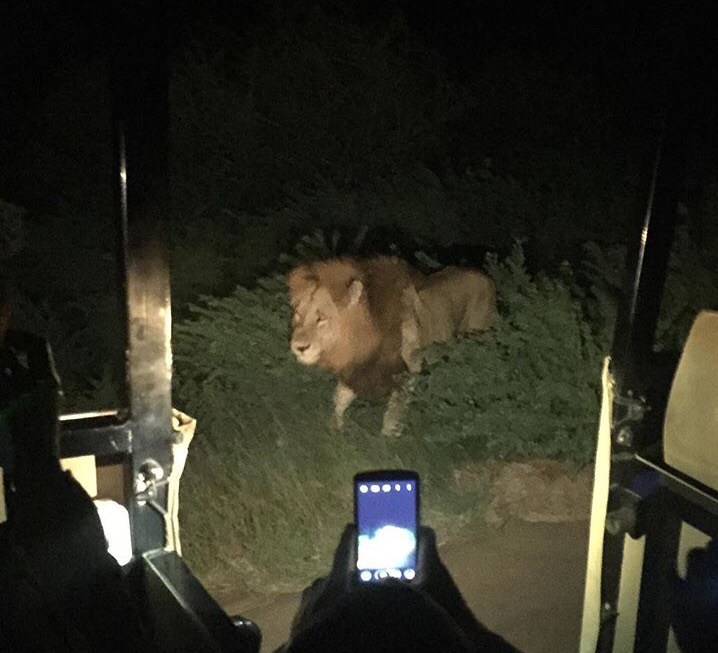
There was the cheetah we watched for a half hour, the endless hours searching for leopard only to have three separate sightings close to our campsite on our final big drive, the countless elephant sightings from tiny babies to giant bulls and from solo elephants to herds of nearly 100, and then there were the lions. We saw lions napping, lions prowling, and lions deciding the road was the most attractive location for parading and resting. 
   

 And then there were the four black-maned brothers walking down the main road as if they owned the joint, strutting their stuff and caring less that there was a truck filled with 23 people staring in awe at the magnificent creatures.  

Posted in Peace Corps | 1 Comment

What’s cooking: Butternut rice pudding

As a Peace Corps Volunteer in Swaziland, I have a limited food budget. But I also love food–both eating and making it. During PST, I cooked without an oven, refrigeration, and a non-stick skillet. Now at my permanent site, I have all three, though at a cost. This occasional series will highlight my cooking and baking and the recipes I use.

Having successfully grown a garden-full of butternut, I have needed to find new ways to use it. I could eat butternut bread every day, but a change is good sometimes.

I had not eaten or made rice pudding since my days studying abroad in Austria where I first encountered it in the university cafeteria. Rice pudding is a delicious and easy comfort food, and it is improved with the addition of butternut, cinnamon, and nutmeg. It is an excellent choice for a chilly day served with a cup of steaming tea.

dsc_0629.jpg

I shared this with my family, and like most of the desserts I bring them, they had never seen it before but were delighted nonetheless. Even my chickens inadvertently enjoyed the leftovers.

Difficulty: Easy
Cost: E20
Time: 2 hours, 1 hour active
Serves: Four

Tools needed:

  • Cutting board
  • Knife
  • Pot
  • Fork or spoon
  • Measuring cups and spoons

Ingredients:

  • 1 cup mashed butternut
  • 1/2 cup rice
  • 1 liter milk
  • 2 tbsp sugar
  • 2 tsp vanilla
  • 1 tsp cinnamon
  • 1/2 tsp nutmeg

Recipe:

  1. Slice butternut into one-inch rounds and peel skin off each round. Save seeds for your permagarden. Cut butternut into one-inch or smaller pieces.
    dsc_0616
  2. Put butternut pieces into pot with one cup of water. Heat on medium-high until pieces are mashable with fork or spoon, about 30 minutes.
  3. Scoop butternut out of pot. Reserve one cup and use the rest for bread, cake, pancakes, or an addition to your dinner.
  4. Add rice and milk to the pot. Heat to boiling, then reduce to a simmer, stirring occasionally, until most of the liquid is absorbed in about 30 minutes.
    dsc_0617
  5. Add reserved butternut, sugar, vanilla, and spices, and mix. Adjust spices and sugar if necessary. Remove from heat once to desired consistency and serve warm.

Recipe is adapted from thehealthymaven.com.

Posted in Africa, Peace Corps, Swaziland, What's cooking | Tagged , , , , , , , , | 3 Comments

Wednesday photo: Baby elephant

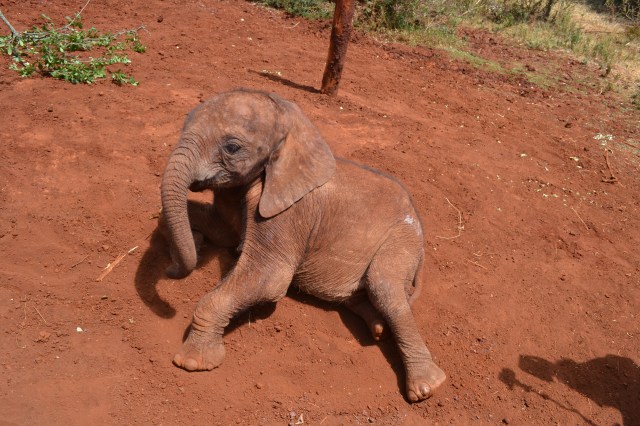
Just because I wanted to share some more elephant love this week before my trip to Kruger, here’s a photo of a darling baby at the David Sheldrick Wildlife Trust nursery in Nairobi.

DSC_0218.JPG

To me, there is no place I would rather be in Nairobi that the elephant nursery. If these darling babies cannot bring a smile to your face, than I do not know what will.

Posted in Africa, Peace Corps, Wednesday photo | Tagged , , , | 1 Comment

My first elephant experience

This week I will be taking my first vacation away from Swaziland and I am traveling to Kruger National Park. The only traveling I have done in Swaziland has been to see wildlife, so I am quite excited that my first trip is to the land of wild cats and dogs and other exciting creatures too numerous to mention.

I have been spending a lot of time thinking about my first safari in Ghana two-plus years ago. First-of-a-kind experiences really create distinct memories, and I am happy to have such fond memories of my adventures in Ghana.

It is hard not to compare, though, when I can imagine there are few or no other places in Africa where you can have a safari of the likes of what is offered at Mole National Park in northern-central Ghana.

dsc_0667_2

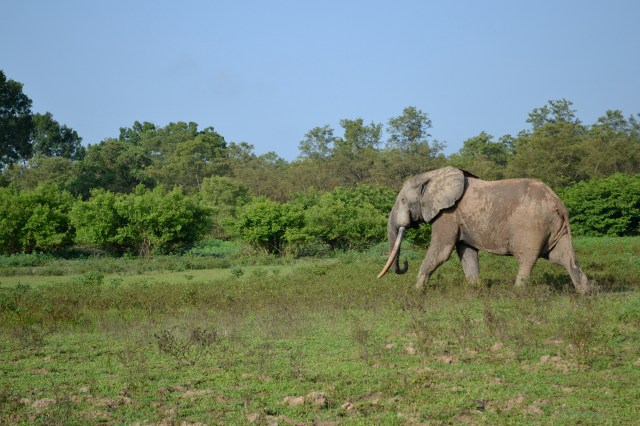
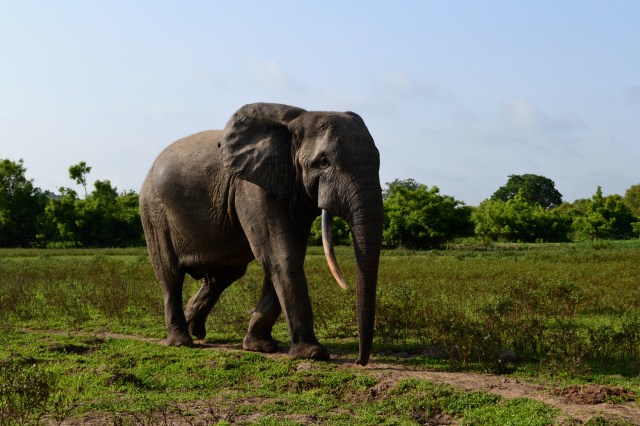
A one-tusk tusker after having his bath.

We arrived earlier than anticipated—much earlier in fact—because the road north from Kumasi was entirely paved.

The drive north was notable for its lack of bathrooms. I remember peeing on the side of the road twice—once in the tall grass on a side road and the other time at the edge of a cocoa tree grove. There was one reststop with functioning toilets and toilet paper, where I wowed the restaurant staff with my rudimentary Twi and ordered spicy jollof rice and chicken. The jollof rice was excellent everywhere. There was also a gas station I used where there was no toilet in the stall but only a concrete slab. This is the worst kind of bathroom there is.

But I digress. Upon arriving at Mole, we checked in, dropped our bags, and went to find out about the safari options. A morning walk was included in our weekend away from the rural communities and our data collection. There were jeeps available with seating on top for late-afternoon drives through the park.

Of course, I wanted to see the elephants. Mole is home to a variety of antelope, monkeys, warthogs, and in theory, lions, though they had not been seen for a long time, but this was my first African safari, and the elephants were what I was dreaming of.

We departed in two groups, sitting on top of jeeps in a slightly precarious fashion, with each group heading in a different direction. While we were watching waterbucks and elands and other antelope, our driver got a message on the walkie that elephants were spotted. The chase started.

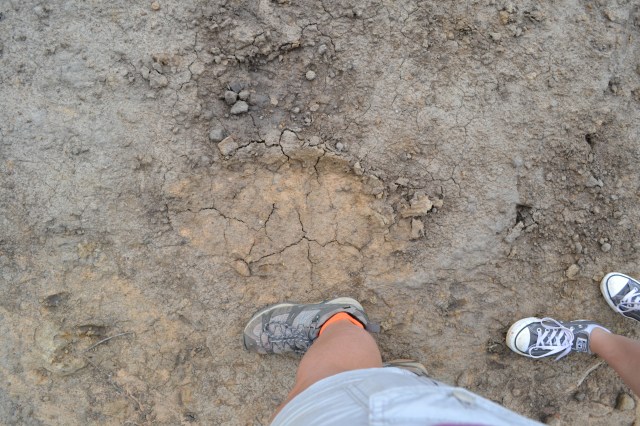
We headed to one of the watering holes, were we saw footprints and extremely fresh dung, but we stayed one step behind the elephants the whole time.

dsc_0631_2

Elephant feet are huge!

dsc_0633_2

Fresh dung

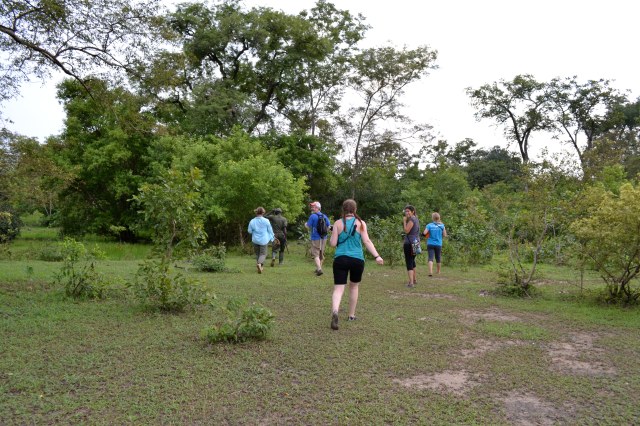
We followed the tracks to a woody area, where we were allowed to disembark the jeep and quietly hurry after the elephants on foot. We debated the rest of the night as to whether or not we were able to see the elephants through the trees, but we could all agree that we heard them as they splashed into some unseen water and we all screamed and ran.

dsc_0637_2

Where are the elephants?

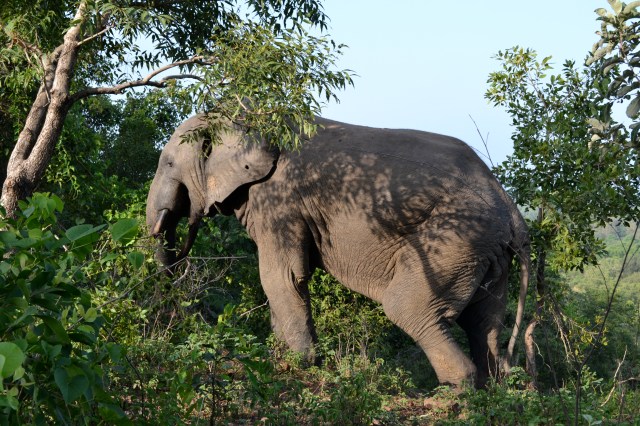
The following morning provided the sighting we had all been waiting for. We started with a short walk around the hotel complex to find a massive bull munching on some trees. We approached from behind and worked our way around to the side to see his face.

dsc_0655_2

My first elephant.

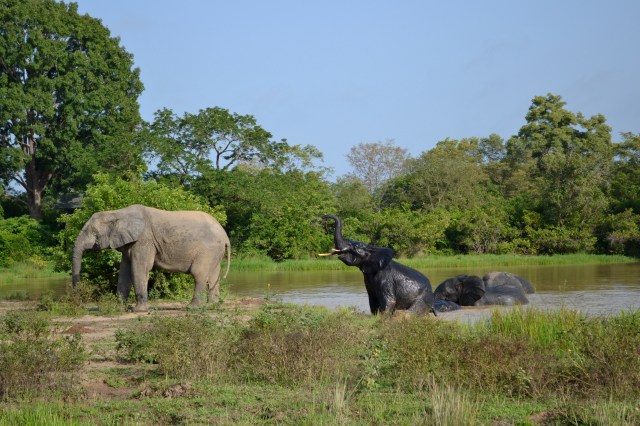
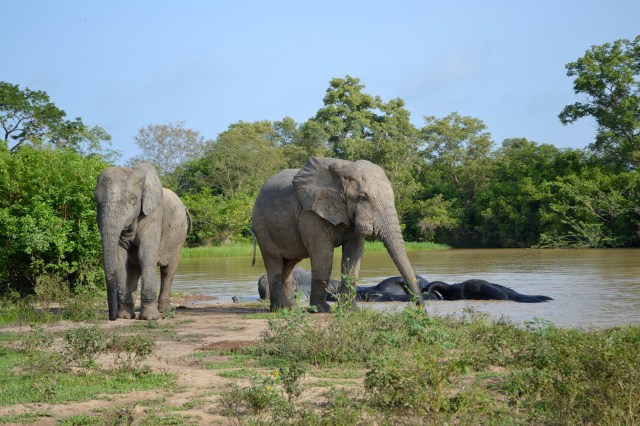
The bull finally moved on and so did we. We headed downhill to the watering holes where an elephant family was enjoying the waters. The young elephants were playing in the water, even having a mock fight.

dsc_0683_2

As the bull we saw earlier approach, we watched the matron of the herd and another older female move protectively in front of the young.

dsc_0697_2

Protecting the young playing in the water.

dsc_0729_2

The big bull from earlier finally approached the watering hole.

dsc_0741_2

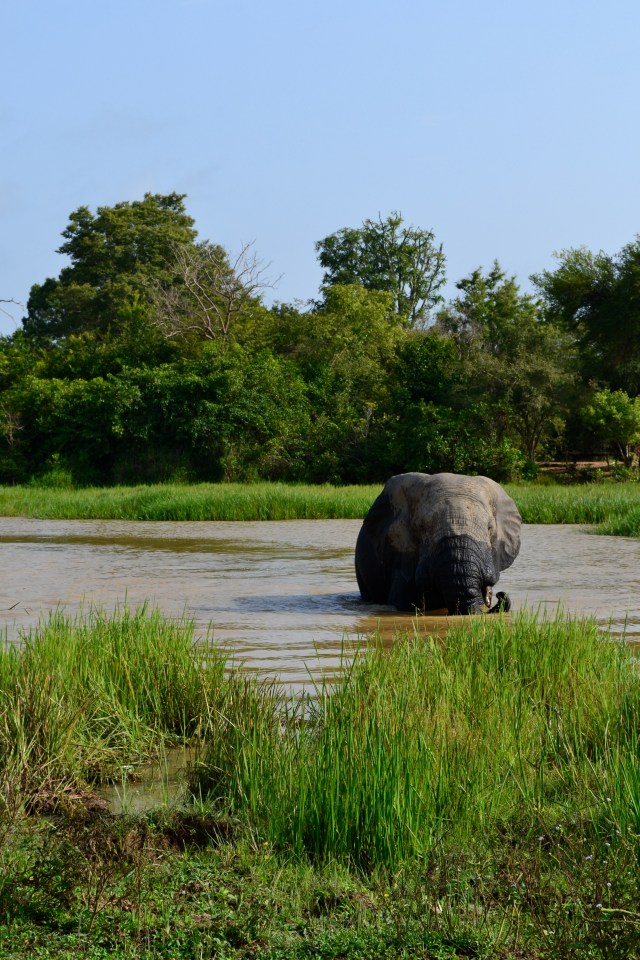
And then he went for a swim.

We, on the other hand, were just told to stand still and be quiet. The rangers had guns, but I would have hated to see one used to injure an elephant when it was the humans who would have been out of line.

I knew nothing about elephants then, so I could not appreciate how close I was without interfering in their lives. I also did not know how terrifying an elephant could be and was not scared with being so close. I was in awe.

dsc_0704_2

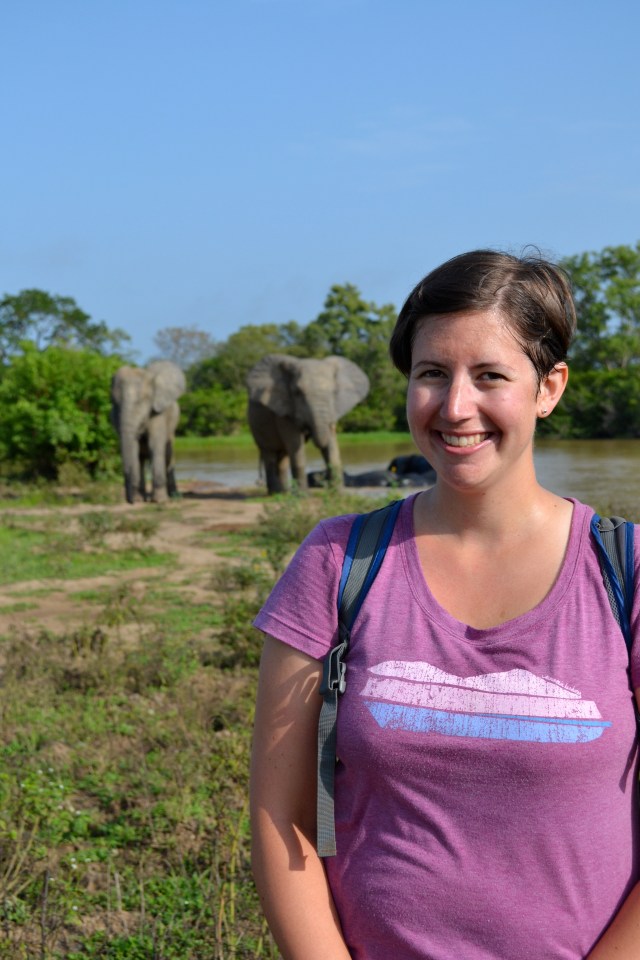
Oh hey there, elephants. We were so close to them.

As a child, I loved my neighbor’s cat Elsa, pandas, flamingos, and orangutans. I do not even remember seeing elephants at the zoo. But now, elephants are my animal. Seeing the orphaned babies at the David Sheldrick Wildlife Trust definitely helped sway the world’s largest land mammal in my favor.

Flamingos are still second in line and I will reassess once I finally see one in the wild. I went on safari in Kenya so I could see the flamingos at Lake Nakuru and due to excess rain, they had flown the coop. Kenya was still awesome, though.

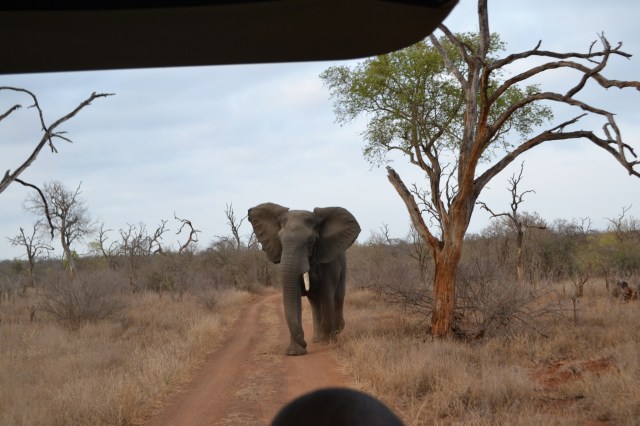
Since those days of my first safari in Ghana, I have had many other elephant encounters in Kenya and Swaziland. I will always appreciate and cherish the first for its peacefulness and closeness, especially compared to the time I was charged by a bull in Swaziland.

dsc_0125

Charge!

Every wildlife encounter is unique and should be treasured. In a world where humans are increasingly encroaching on the lands of elephants and other wildlife, and when humans are killing these beautiful animals for decorations and trophies, I appreciate every moment an elephant chooses to give its human followers. I look forward to a few over the next week.


Posted in Africa, Peace Corps, Travel Narrative | Tagged , , , , , , , | 1 Comment

Wednesday photo: Laundry

February was a fun month filled with training, a traditional holiday, and lots of rain. 

The first two weeks were extremely busy and I managed to squeeze in two short, one-hour laundry sessions during that time. 

Then the rain started, not letting up for two weeks. My dirty laundry was already expanding beyond the bag I use for dirty clothes, and with all the rain, the pile just kept growing. 

The rain meant there was no way to dry my clothes. Sure, I could have hung a few pieces to dry in my room, but the humidity was still too high for anything to dry. 

Finally on Saturday I was able to wash and mostly dry about half of the laundry. It finally dried on Monday while I washed the rest of my clothes, towels, and sheets. 


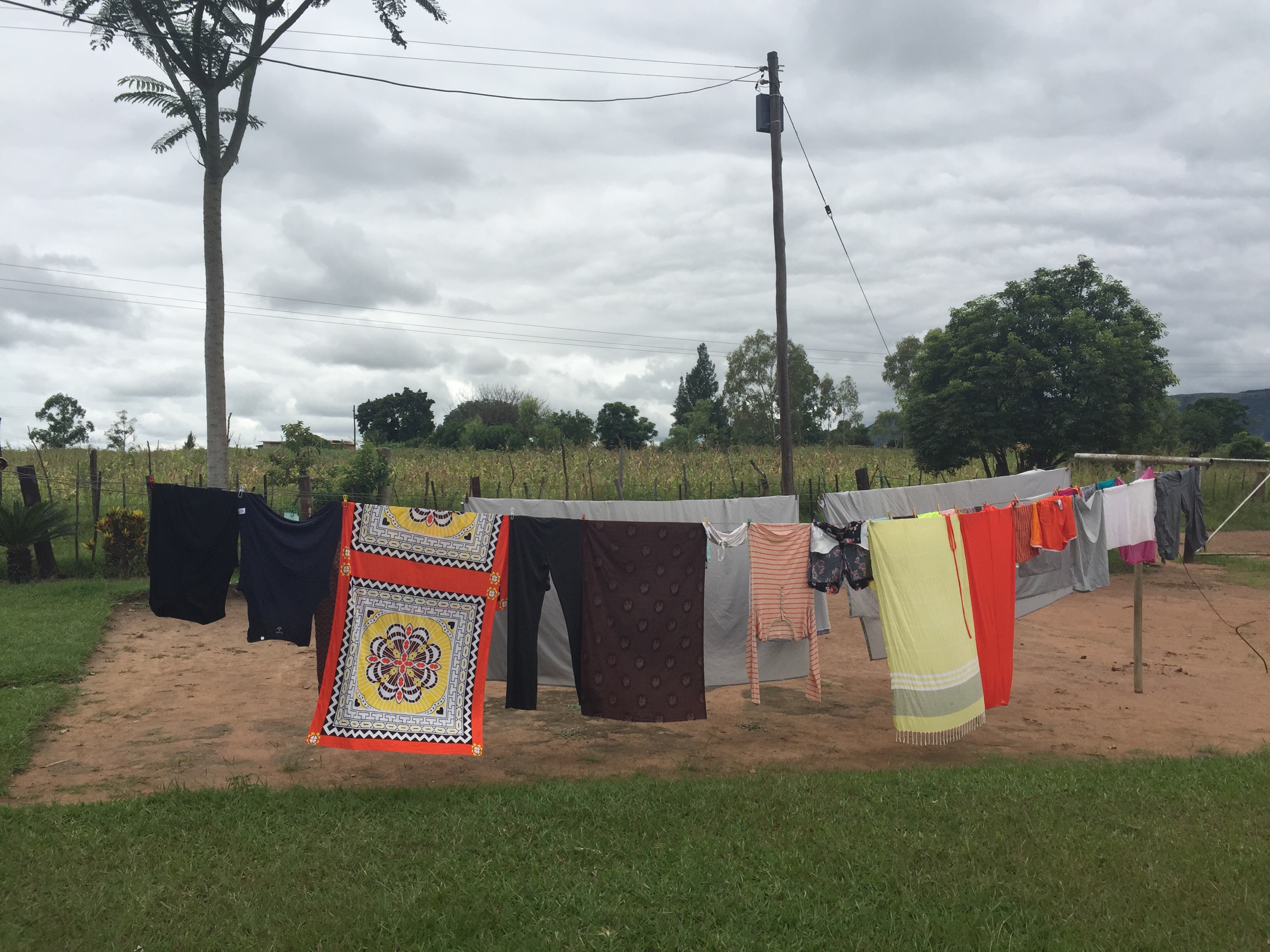
Monday’s laundry hanging to dry.


These three lines full of laundry took about three hours from start to finish. It will be at least another three hours before they dry. 
I would say that I am quite good at rewearing clothing until it is truly dirty, so with that I recommend that future PCVs really should fill one suitcase with clothes of all styles and for all seasons. If you look closely enough at the photo above, you can see that I am drying both pants and shorts because February included all weather options from 100-degree days to chilly, 65-degree days. You need to be prepared for it all in Swaziland. 

Posted in Africa, Peace Corps, Swaziland, Wednesday photo | Tagged , , , , , | Leave a comment

A moment in my life: Winter coats in summer

So many entertaining things happen in my life in Swaziland. These are the moments I will want to remember because they make me laugh, and they show insight into my daily routine. These moments are often hard to photograph and usually last only a minute or two. I will start sharing them with you in this occasional series. 
I first saw people wearing winter coats in the summer on a beautiful day in Nairobi. It was 70-some degrees and I was wearing a t-shirt. Yet the Kenyans around me were all wearing winter coats. I asked one of them about it, and the response was that it was cold out. I accepted this for what it was and moved on with my life. 

During PST when I first arrived in Swaziland, I never knew the actual temperature so I can’t say how cold it was when I wore my puffy and winter hat to bed. There was frost in the morning, so I feel like my actions were justifiable. 

Since then, though, it has been summertime. 

I will grudgingly admit to wearing my puffy on Christmas when it was a chilly 68 degrees. I haven’t stooped so slow since then, but the Swazis definitely have. 

On a rainy day last week, the parkas and fur coats were out again, protecting the Swazis from a chilly, summer day. 

Posted in A moment in my life, Africa, Peace Corps, Swaziland | Tagged , , , , , | 1 Comment

Wednesday photo: Pineapple fields

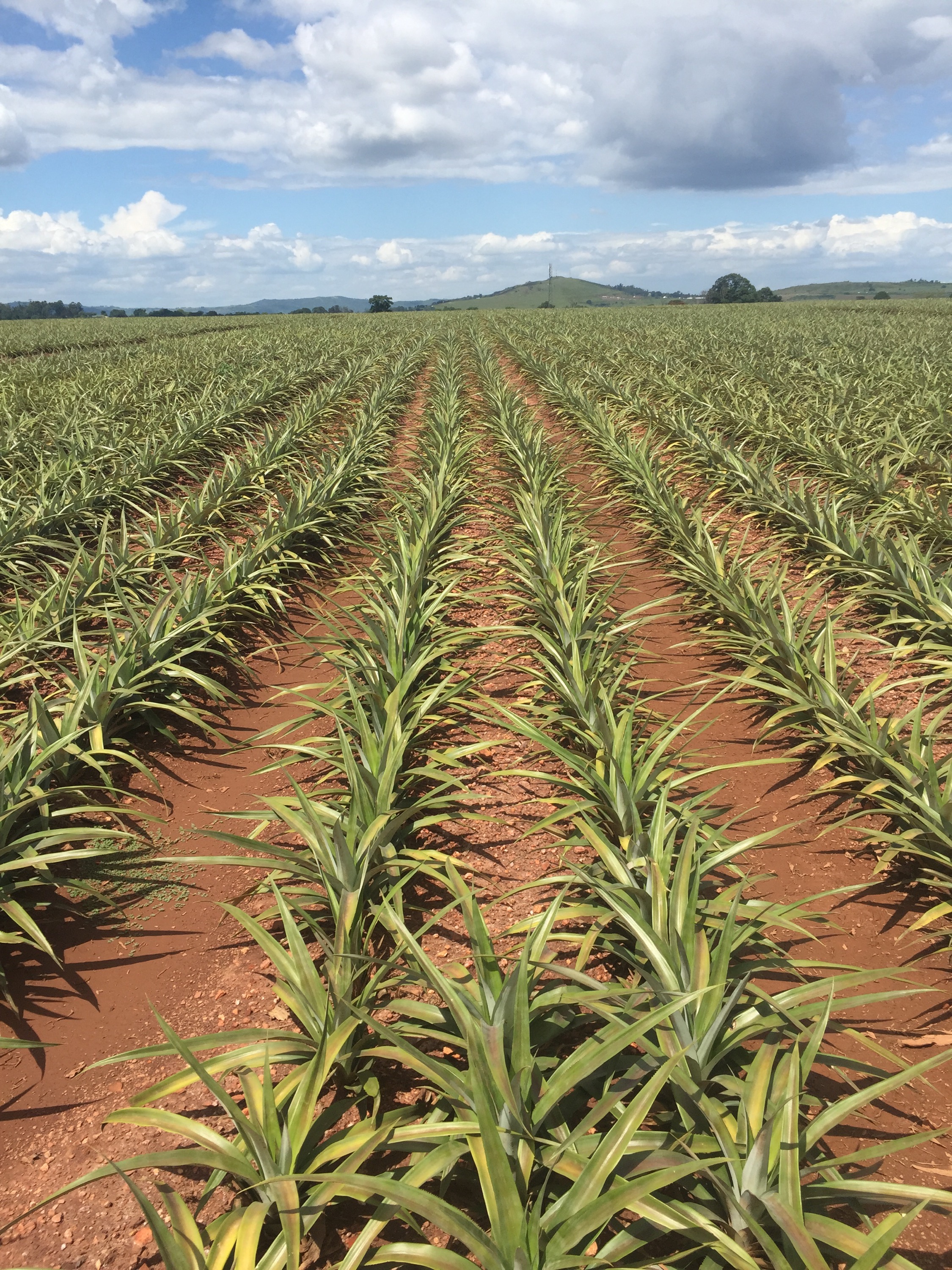
I finally got a close up view of pineapple fields when I walked to Swaziland’s national park office. 

  
It was nice to make a comparison to my pineapples, which are about half the size as these. 

Posted in Africa, Peace Corps, Swaziland, Wednesday photo | Tagged , , , , , | Leave a comment

Changing seasons and gardens

Over the last week I have begun preparing my garden for the next planting season. 

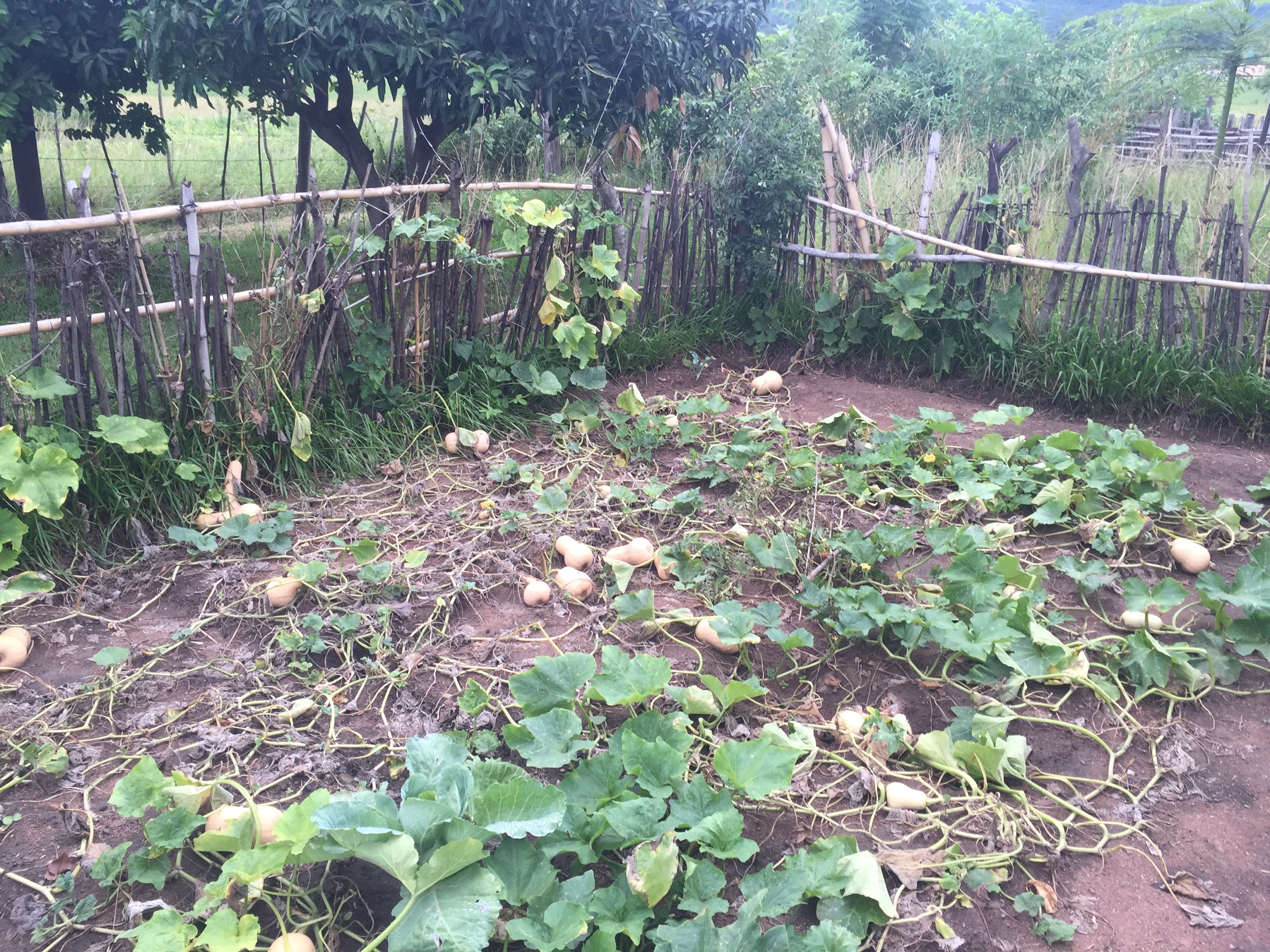
All of a sudden, my butternut vines were near death, so I knew it was time to prepare for moving forward. 
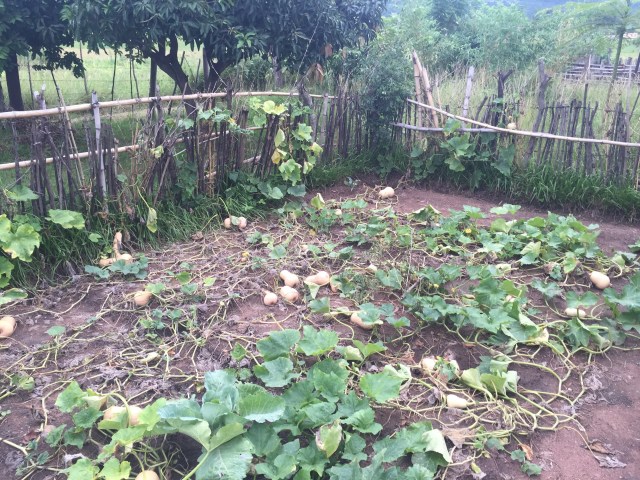
 

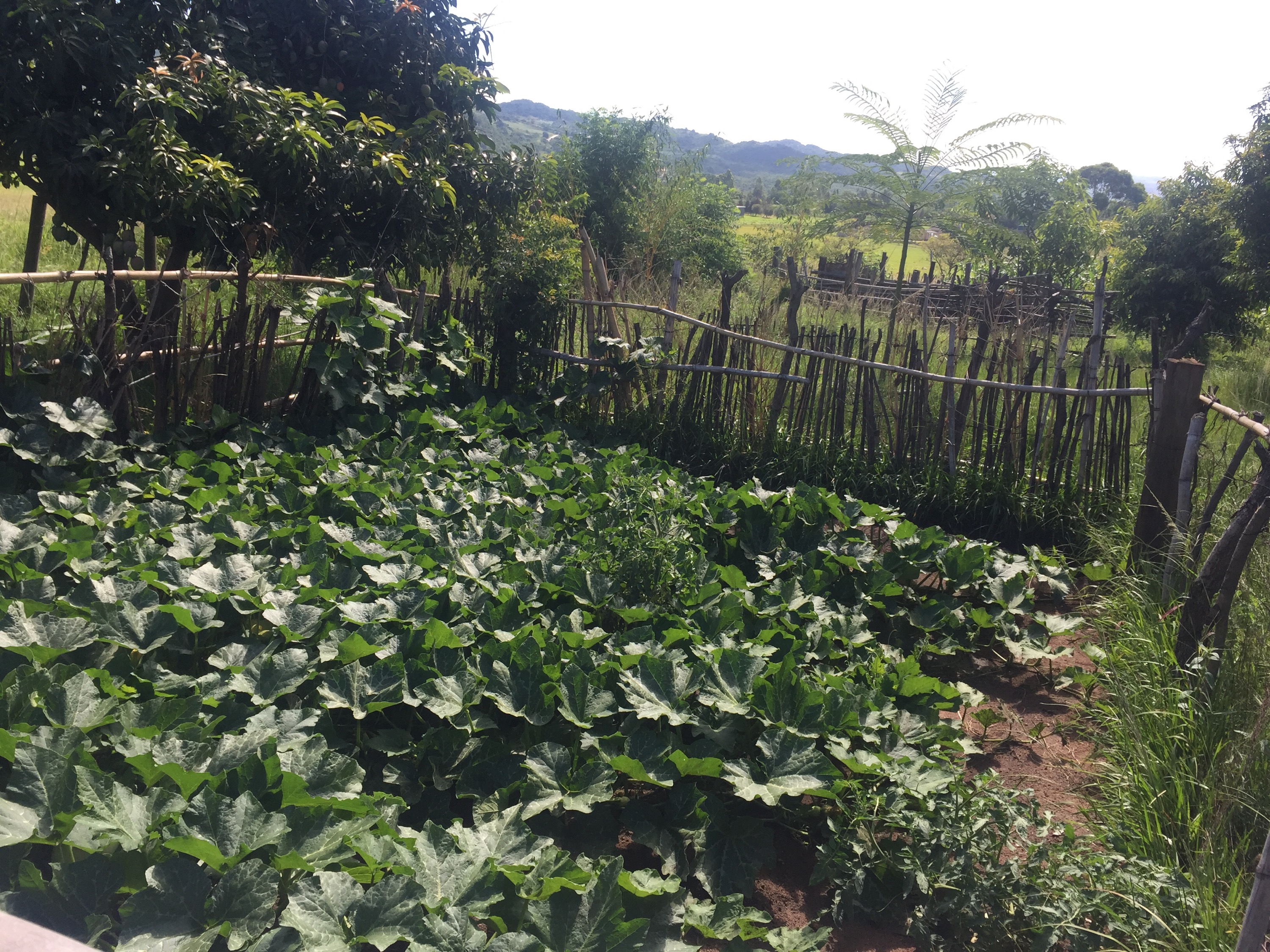
The state of my garden after many of the leaves died.

 
I have yet to harvest and cure my squash because of Cyclone Dineo. We had rain last week and the weather forecast shows rain for this week too. 

The vines are still growing and producing new butternuts, so I am hesitant to pull up all the plants. I decided to take some action, though, by rerouting the growing vines back onto themselves, covering some of the decaying leaves and freeing some of the beds that were covered. 

I had hardly entered my garden in the last month because the butternut vines took over all the existing space, leaving me nowhere to safely walk. The newly dead leaves and rerouting of the vines allowed me to pull weeds and begin double digging one of the beds I did not get to in October and November. 

I have lots of beds to double dig and amend the soil, but I can only do this once the butternuts are gone. 

Last week also included the arrival of a variety of heirloom seeds I ordered. I am most excited about these because I was looking for a more colorful variety of plants than what is available here in Swaziland. 

I joined the heirloom train in spring 2015 when I finally had room to grow a large container garden and a few spots of ground to plant in. Thanks to Wasatch Community Gardens’ annual seedling sale and an excellent variety of seedlings at Millcreek Gardens, I went crazy. 
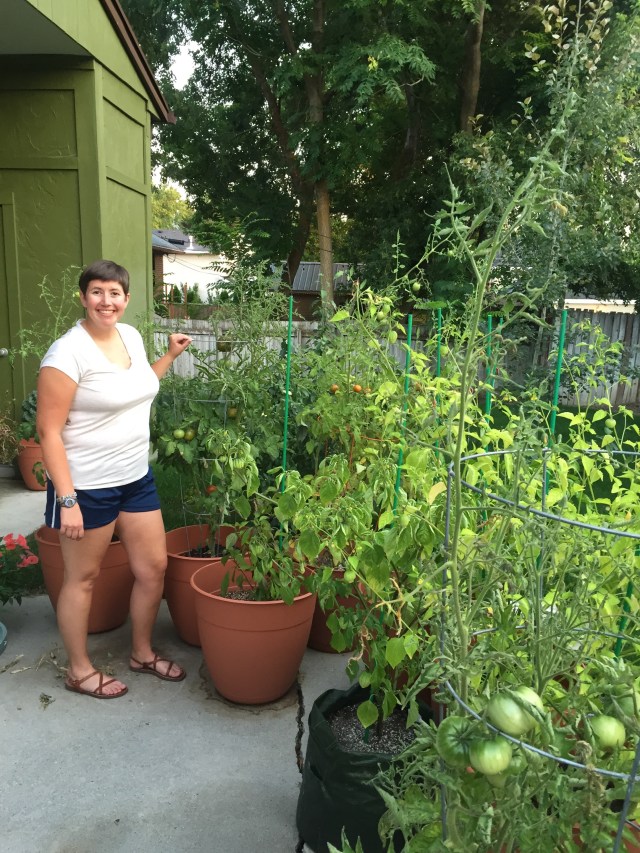
 

I grew tomatoes, tomatillos, bell peppers, hot peppers, kale, spinach, lettuce, potatoes, raspberries, and strawberries in containers in 2015.

 
Although I had that garden for only one year before moving to Swaziland, it really showed me what I could do here. Of course, growing up with a garden at my parents’ and grandparents’ homes helped too. 

What has been hard here is knowing what to plant and when. I now live in a frost-free zone that gets an incredible amount of rain in a few months. In the US, I knew what to plant in early spring and later spring. I learned I could grow tomatoes from April to November, and that those tomato plants could be 7 feet tall. And here, I know nothing. 
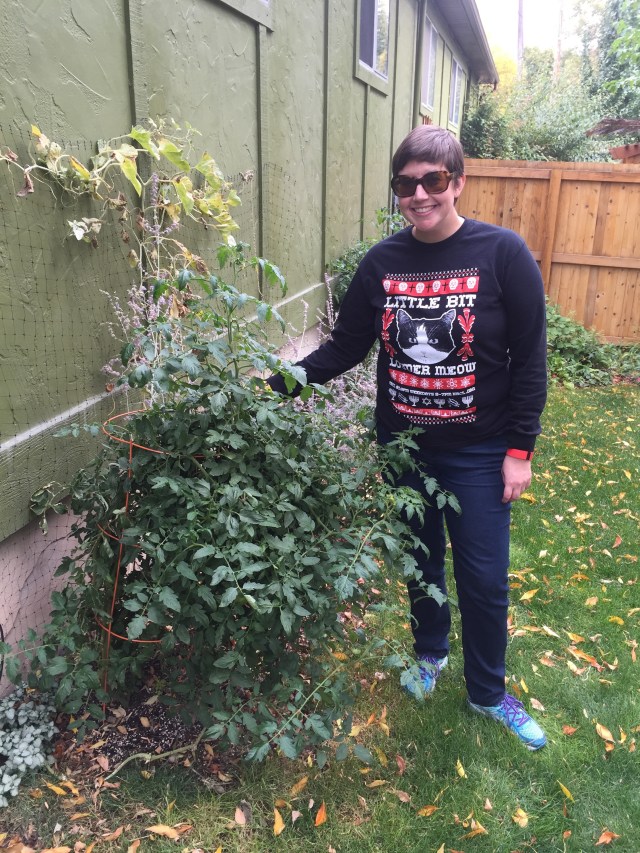
 

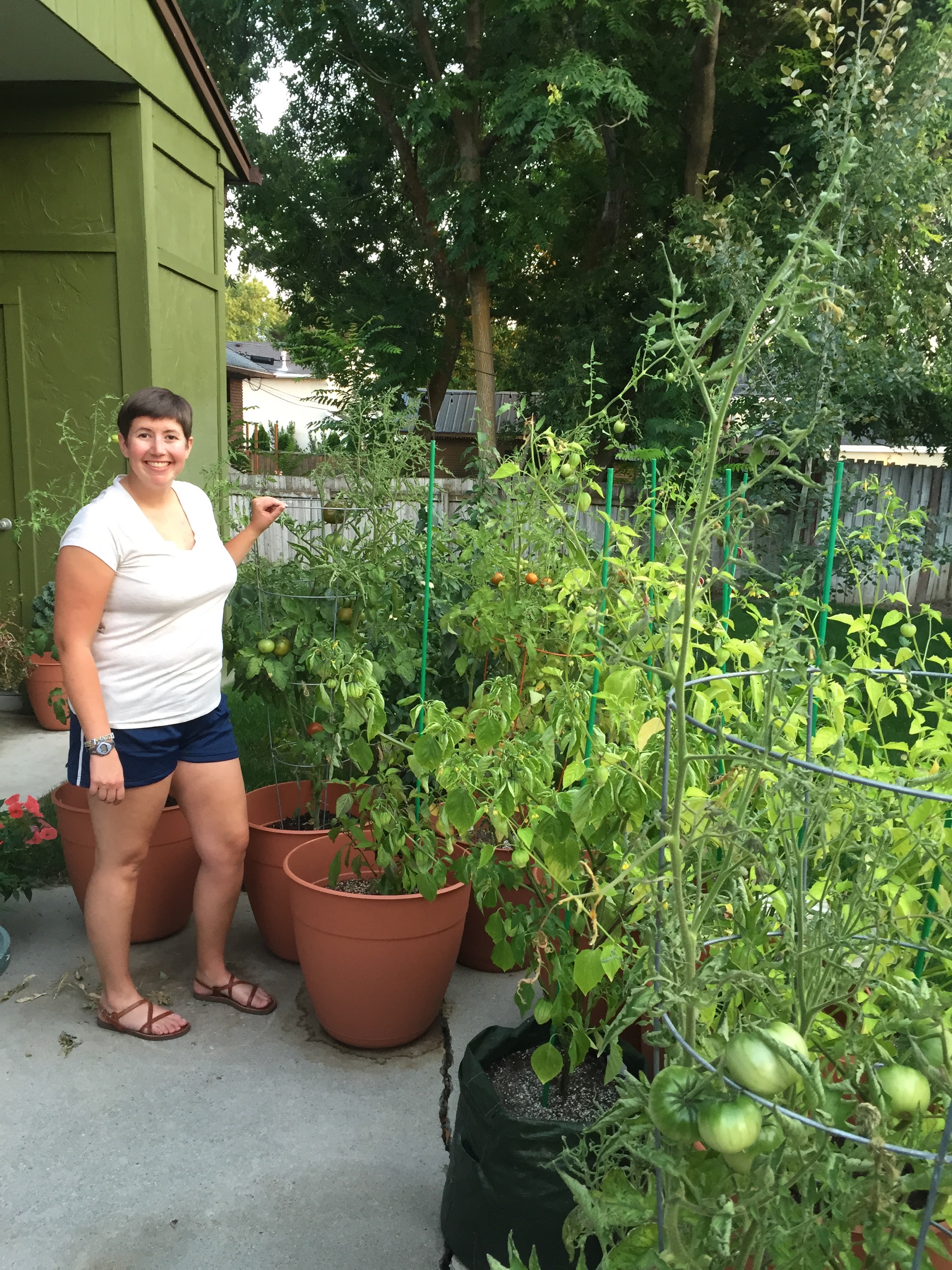
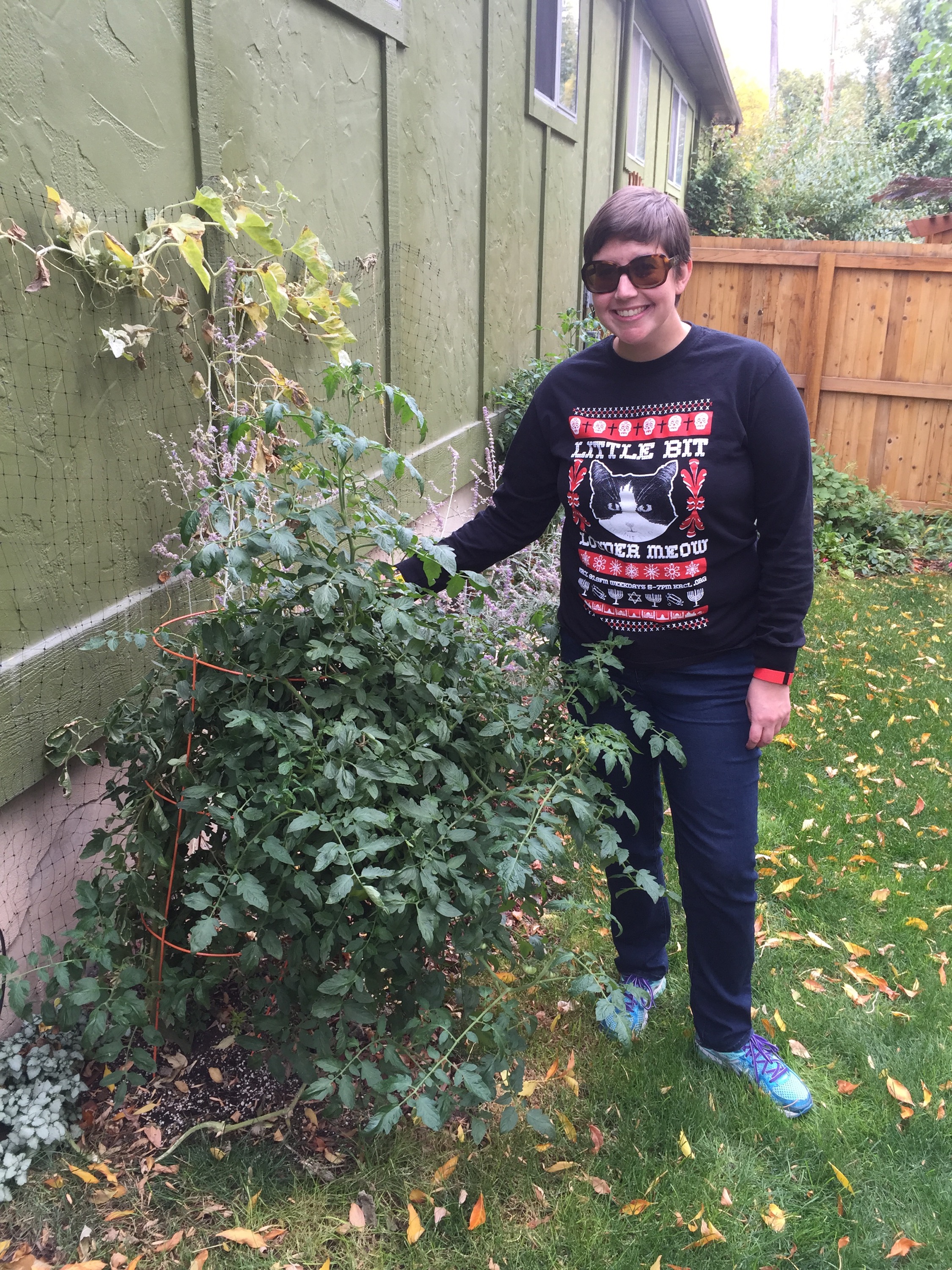
Standing with my doubledover Cherokee purple tomato plant with a miniature cantaloupe trellising behind me on a late October day.

 
When I was finally given garden space on a chilly day in October, make told me to plant what I knew and hovered over me. This meant I did not get to double dig those beds that had been amended with manure. I planted beets, onions, tomatoes, green pepper, and butternut. Only onions, tomatoes, and butternut grew. 

About a month later I tried germinating seeds, which seemed successful. I had taken over the rest of the garden and double dug a few berms. I added hot peppers and cauliflower to the mix, planting in the berms, and this time, nothing grew. 

It turned out that it was good that very little grew, because as I have mentioned, the butternut plants took over the whole garden. 
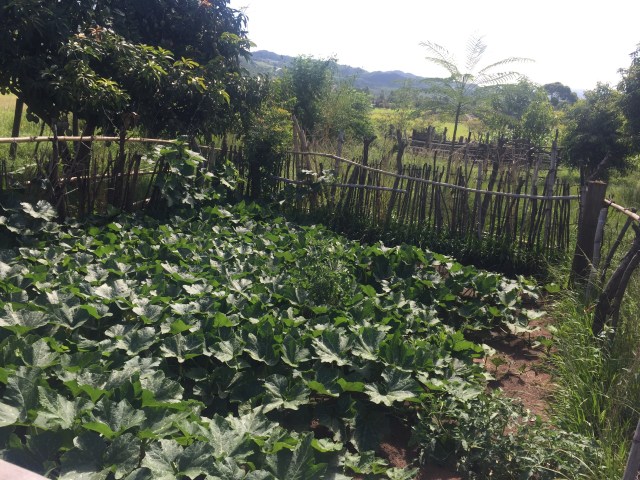
    
There are four seasons here that guide what is planted when, as I have recently learned. In November 2016, the wet and hot season began and is now winding down. February and March 2017 start the hot and dry season. In May, the cool and dry season should start. And finally, it may be cool and wet around October. 

November was the time to plant maize, beans, sweet potato, pumpkin, and squash. 

My bobhuti who are farmers say now is the time for tomatoes, peppers, and other dry-loving crops that could include maize,  beans, sweet potato, squash, and watermelons. 

In March I will plant onions and carrots. In April I will plant lettuce, spinach, Swiss chard, cauliflower, beets, and strawberry. 

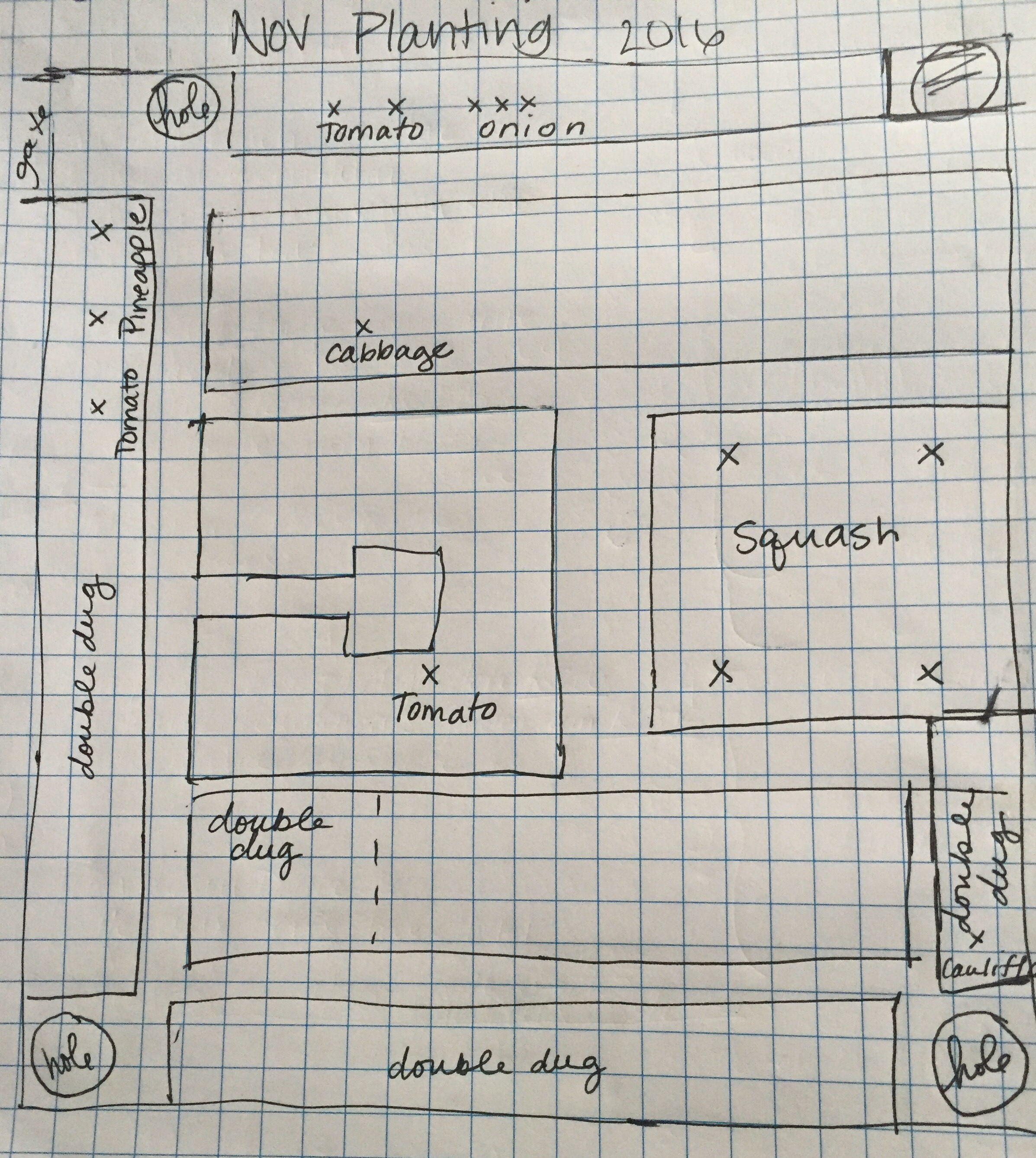
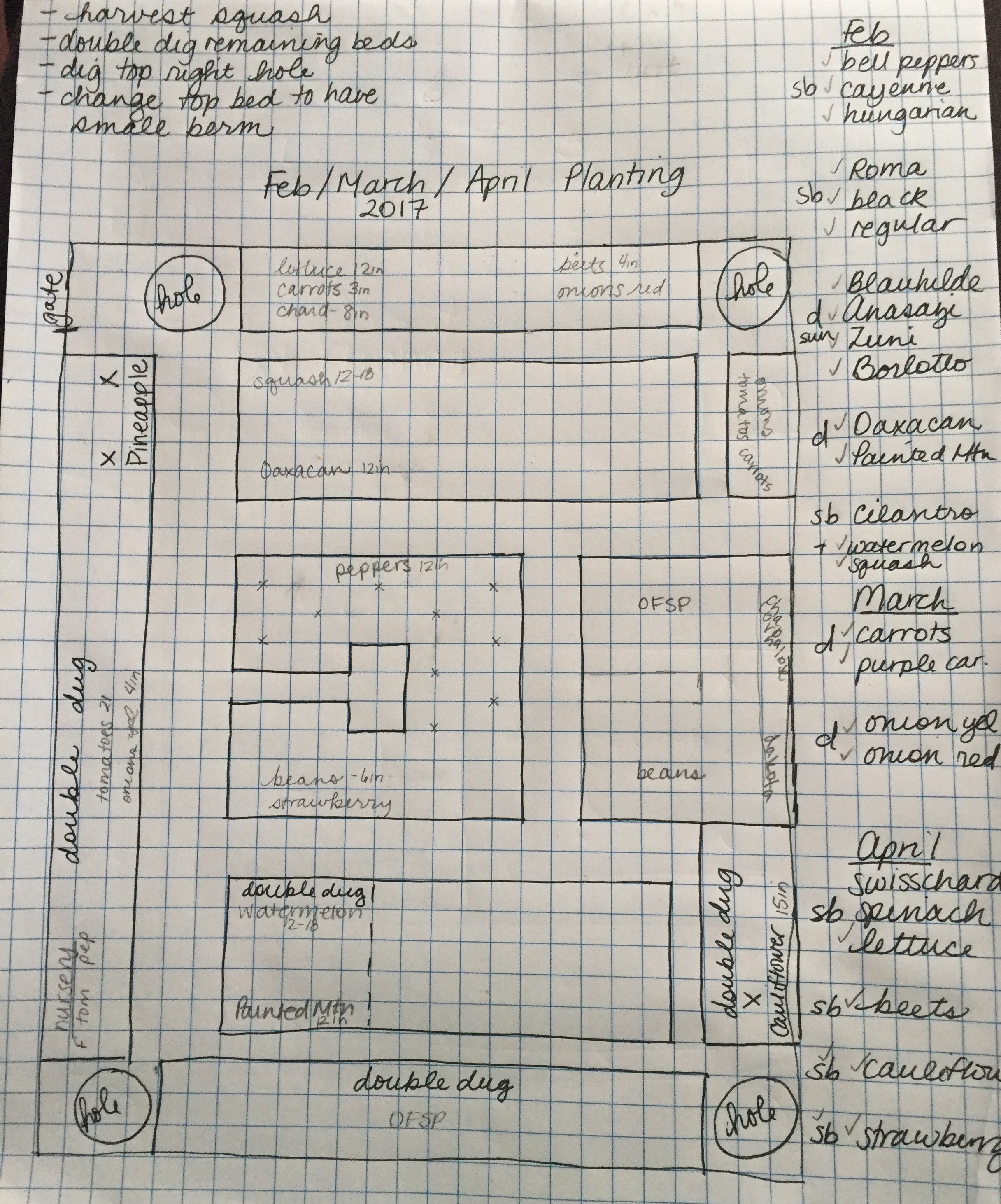
I made two maps of my garden-one of it in November and one of it with expected planting locations, a schedule, and a list of tasks. 
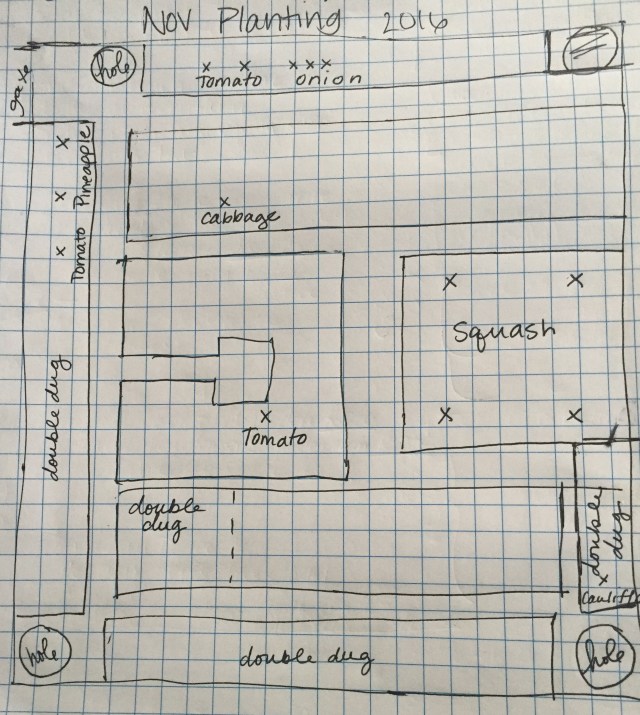
 

X marks the spot of what grew from my October and November plantings.
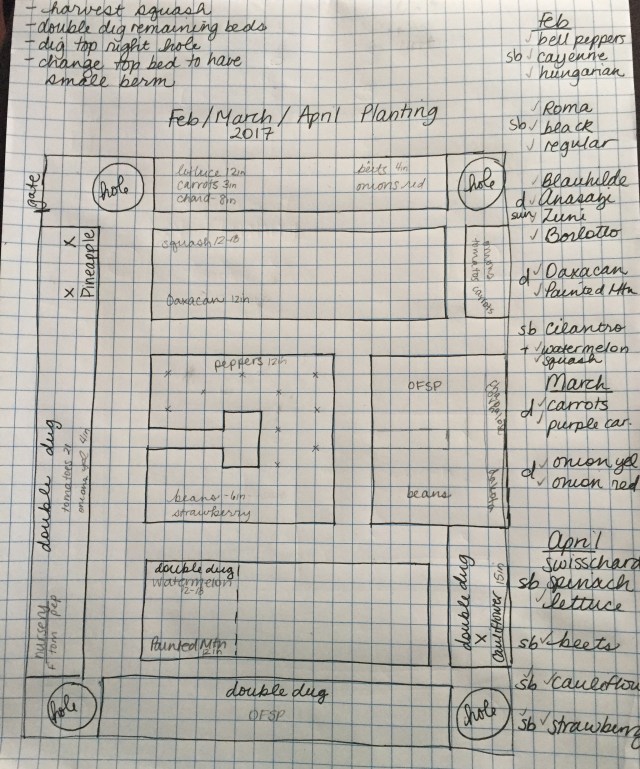
  

My “summer” and “fall” planting plan.

 Making this plan calmed me immensely. Looking at my pile of seeds wondering how and when and what will go where was incredibly distracting, so I hope this plan works. All I need now is a little sunshine to start planting. 

Posted in Africa, Peace Corps, Swaziland | Tagged , , , , , , | 1 Comment

Wednesday photo: Butternuts

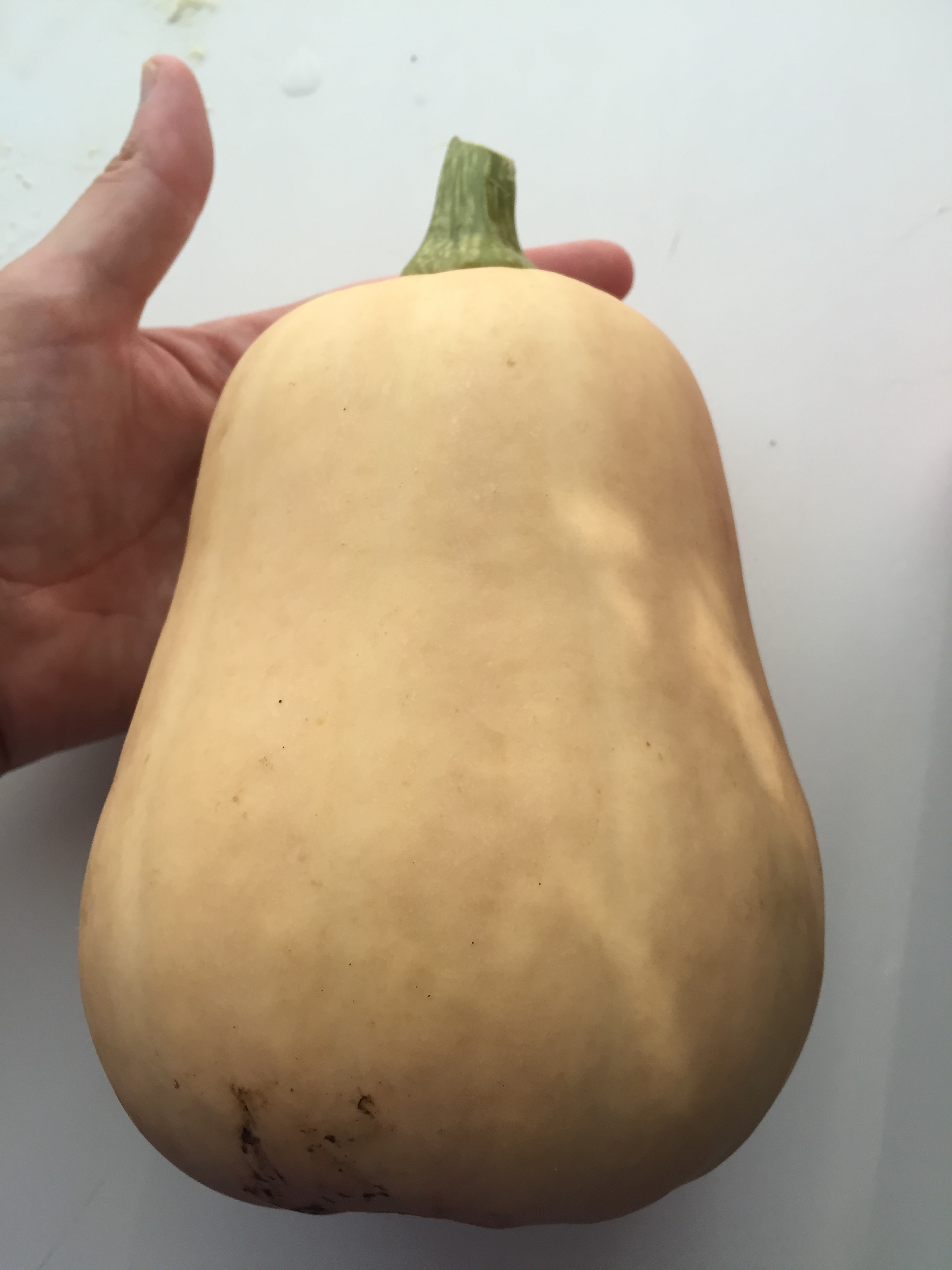
I harvested my first butternuts as the plants have begun drying up. 

Having a successful crop is so exciting after having a rough start with many butternuts rotting. 


My first butternut


My bobhuti said it is time to start my next crop, which should include tomatoes, peppers, and onions. I have some double digging and amending to do before I can plant. I much look forward to a year-round garden! 

Posted in Africa, Peace Corps, Swaziland, Wednesday photo | Tagged , , , , , | 1 Comment

The chicken diaries: Chasing chickens

I became a parent to two chickens I named Sitfwatfwa (snow) and Thandi (love) in January 2017. This is their story. 
A few days after their release, Sitfwatfwa and Thandi ran away again. 

My neighbors and the former owner of my chickens came over to give me the news. I followed them home and proceeded to start chasing my chickens. 

Watching me chase my chickens has to be high on the entertainment lists of others. It’s definitely no fun for me, though. 

My family and my neighbors laughed when I told them I have never chased a chicken before. Swazis generally assume that all Americans have backyard chickens just like they do and are flabbergasted when I tell them this is not the case. They are happy to hear that having backyard chickens is a growing trend in the States. 

I unsuccessfully chased my chickens for about 10 minutes when the sikoni (sister-in-law, the wife of my tutor’s brother) next door enticed my chickens with rice and promptly caught Thandi. 

I took Thandi home and returned her to time out. 

I returned to my neighbor’s house with food to attempt to capture Sitfwatfwa. She knew I was on the prowl though, so she stayed well away from me. I gave up after about 15 minutes to get ready for church. 

When I returned a few hours later, Sitfwatfwa was still socializing with her former friends and hiding from me. 


Sitfwatfwa hiding in my neighbor’s yard

 
I tried tricking her with food when I got her out of the grass, but she knew she was being chased and was extra vigilant. 

Finally my neighbors decided it was time to help me. Four of them surrounded her and managed to catch her with some food. And then Sitfwatfwa was returned to time out, too. 

Posted in Africa, Peace Corps, Swaziland | Tagged , , , , , | 1 Comment