Wednesday photo: Sunset

Sunset is my favorite time of day. I love watching the colors change and spread across the sky. 

  
Last week the sunsets were epic with colors spreading 90 degrees to the east. 

I have learned to go outside around sunset time because I will often find something beautiful. 

Posted in Africa, Peace Corps, Swaziland, Wednesday photo | Tagged , , , , , | 1 Comment

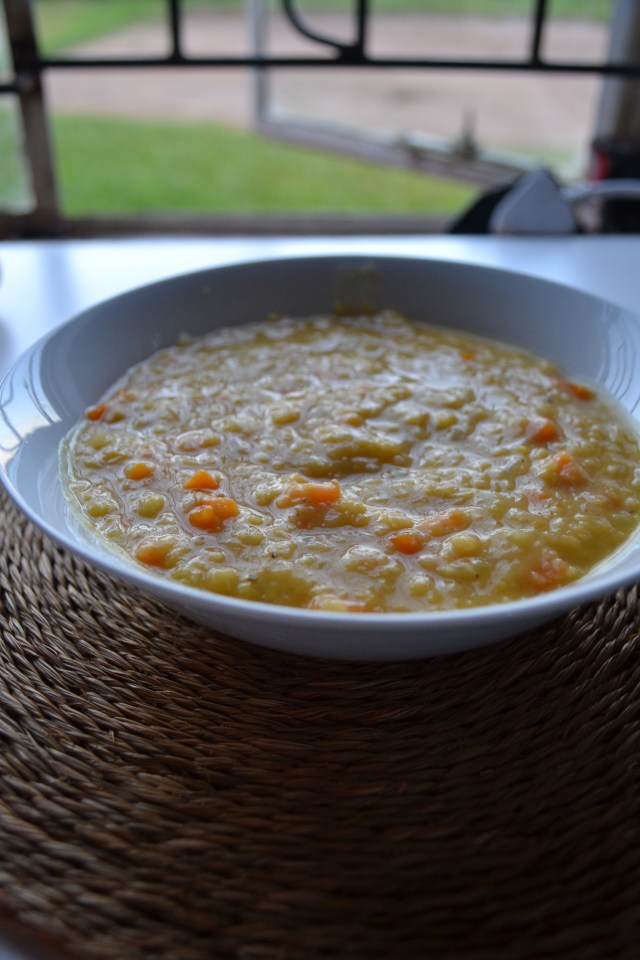
What’s cooking: Lentil soup and menemen

As a Peace Corps Volunteer in Swaziland, I have a limited food budget. But I also love food–both eating and making it. During PST, I cooked without an oven, refrigeration, and a non-stick skillet. Now at my permanent site, I have all three, though at a cost. This occasional series will highlight my cooking and baking and the recipes I use.

After spending a month in Turkey last year, there are many days where I wish for an excellent Turkish meal. Two of the easiest foods to prepare are lentil soup and a tomato and egg dish called menemen. I eat these dishes with a tasty slice of bread and I quickly return to the wonderful dinners of Turkey.

dsc_0591dsc_0609

Difficulty: Easy
Cost of supplies: E20
Time: 90 minutes
Servings: 3

Tools needed:

  • Cutting board
  • Pairing knife
  • Measuring cup
  • Large pot
  • Skillet
  • Spatula

Lentil soup ingredients:

  • 2 T olive oil
  • 2 onions, finely chopped
  • 2 carrots, finely chopped
  • 1 c red lentils
  • 5 c water
  • Dried chicken stock cube
  • Cumin, to taste
  • Paprika, to taste
  • Cayenne, to taste

Recipe:

  1. In pot, heat olive oil.
  2. Once hot, cook vegetables until soft, about 10 minutes.
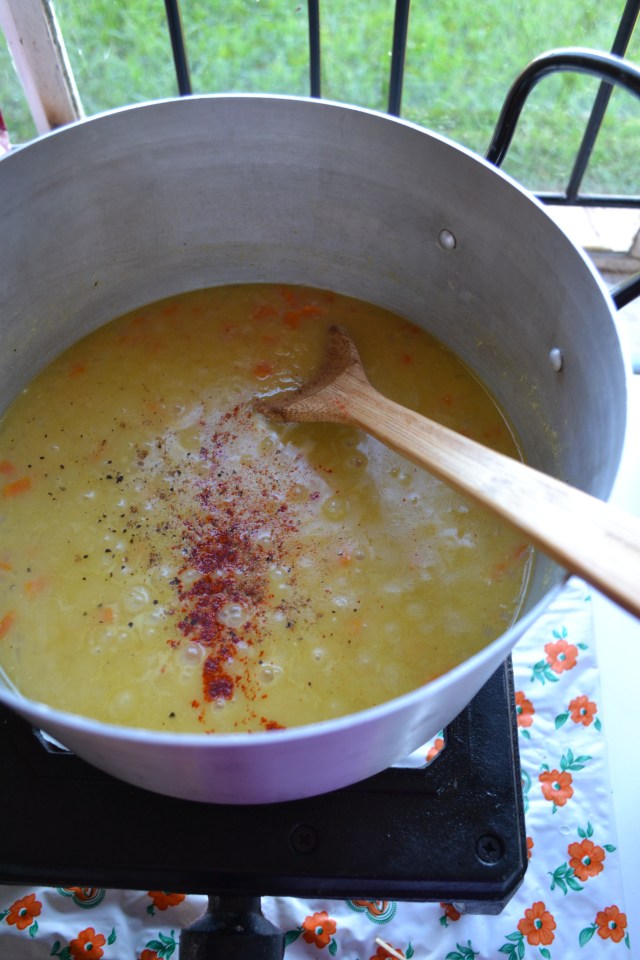
  3. Add lentils, water, and chicken stock, and bring to a boil.
  4. Reduce heat and simmer until lentils fall apart, about 30 minutes.
  5. Add spices to taste.

    dsc_0579

  6. If you want a thinner soup, add more water, a 1/2 cup at a time.

Menemen ingredients:

  • 2 T olive oil
  • 3 medium tomatoes, chopped
  • 1 onion, chopped
  • 3 fresh eggs
  • Salt, to taste
  • Pepper, to taste
  • Cayenne, to taste
  • Cumin, to taste

Recipe:

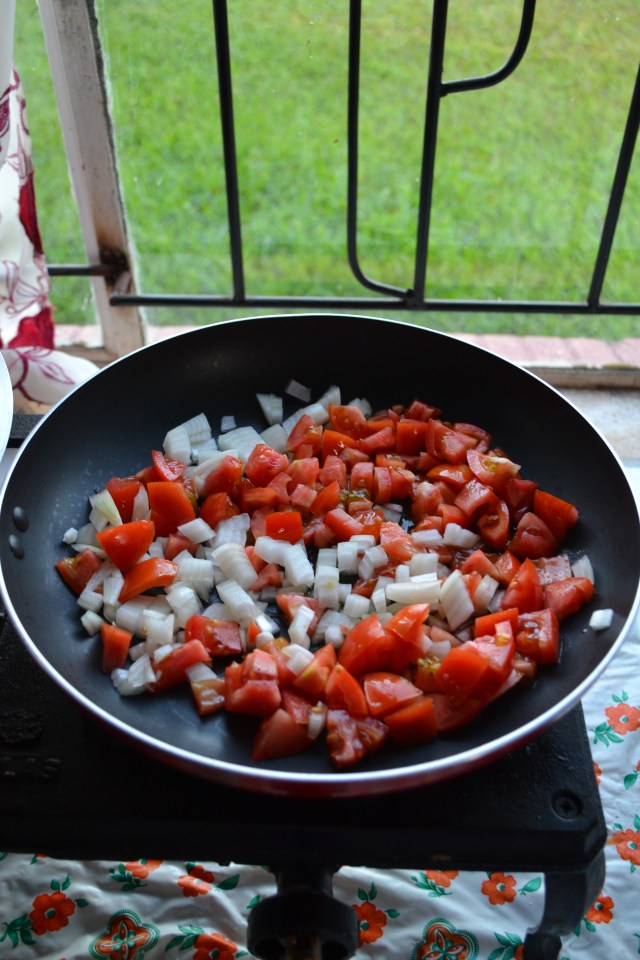
  1. In skillet, heat oil.
  2. Cook vegetables until tomato juice is reduced and onions are soft, about 10 minutes.
    dsc_0582
  3. Make three wells in the vegetables.
  4. Crack one egg at a time into a cup and pour egg into one of the wells. If egg is not fresh, the yolk will crack. For best appearance, use eggs with solid yolks.

    dsc_0603

  5. Cook the eggs until the yolks are set, about five minutes.
  6. Pour eggs and tomatoes out of skillet or separate each and remove each egg with a wide spatula.

Serve lentil soup and menemen with crusty bread or pitas.

dsc_0591dsc_0609


Posted in Africa, Peace Corps, Swaziland, What's cooking | Tagged , , , , , , | 3 Comments

Homestead hospitality in Swaziland

Within the last month, other PCVs in Swaziland finally started visiting my site to see the little slice of heaven where I live. Not only has this given me the opportunity to play host, but my make loves it too.

Visits always begin with greetings and introductions, which you can read about here. Using praise names sweetens the process and shows off your knowledge of your fellow countrymen.
Then my make and babe, if he is there too, will want to know where you live and comment on how far away and rural your community is.
Now is the time to wow the family with some siSwati and they will be even more excited you came to visit.
Next, make will say how nice it was that her Hloniphile brought her friends to visit because she loves me so much and is so happy for me to be living with them.
Finally, make will offer you some mangoes and perhaps some of the other fruit varieties that are currently in season and tell you that you truly are welcome. Wemukelekile.
When it is time for you to leave, make will make sure you have as much fruit as desired, and if you arrived in a big enough group, she will call a khumbi to collect you from the front gate.
And then with a final ngiyabonga (thank you) and salani kahle (stay well), and from my make a hamba kahle (go well), you will leave my homestead well fed and appreciative of plentiful fruits and Swazi hospitality.
This post was first published at https://peacecorpsswaziland.tumblr.com/.
****
img_3491
This post is part of Blogging Abroad’s 2017 New Years Blog Challenge, week five: Hospitality.
Posted in Peace Corps, Swaziland | Tagged , , , , , , | 2 Comments

Wednesday photo: Book club

My group here in Swaziland started a book club in September but it took until January to have our first meeting.

img_3472

Thanks to Neil for the photo!

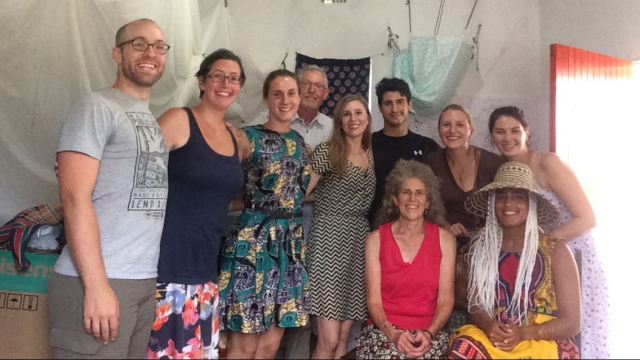
It was a grand success with nine volunteers travelling to my community for our first discussion. We have picked our next meeting time, so I hope we continue to have book club success.

Posted in Africa, Peace Corps, Wednesday photo | Tagged , , , , , , | 3 Comments

Dreams and hope in Swaziland

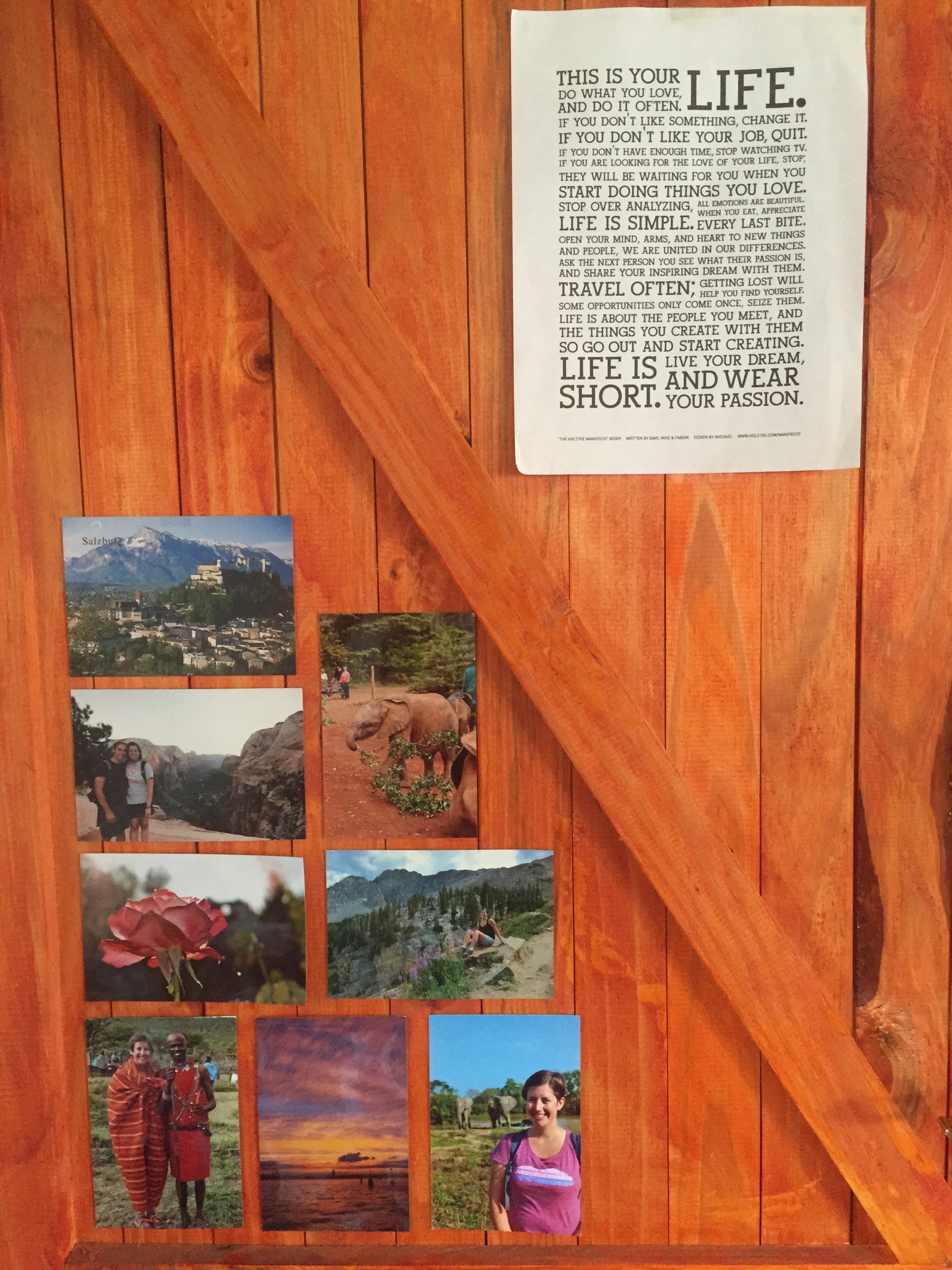
“Start doing things you love” is one of my favorite lines from the Holstee Manifesto.


This old copy of the manifesto has hung in many bedrooms in many locations over the years.

It is one of the reasons why I am here in Swaziland in the first place.

When I graduated with an MPH, I really wanted to do work that mattered, that wasn’t just another job in another cubicle, where I had little interaction with the people whose health I wanted to work to improve.

One of my professors who had organized both of the research trips to Ghana I participated in suggested the Peace Corps as a way to get more of the on-the-ground, grassroots experience I so craved (his words involved “running through fields somewhere in Africa”).

I had hoped that following my dreams (and the Holstee Manifesto) to live and work abroad serving other people would be the right path for me, and it has been.

Working as a Peace Corps Voluteer in Swaziland has been everything I want it to be. Being at peace with life, even with all the struggles I see and face every day as a Volunteer in the country with the highest per capita rate of HIV in the world, gives me hope that I will be successful here. Having realistic ideas of what success looks like helps too.

Every day I see how much bogogo (grandmothers) do for their families when they should be resting and being cared for by their children. But there is a missing generation in Swaziland because the people who should be 30 or 40 or 50 years old have died from AIDS, and there is little but increasing knowledge about family planning. This means that gogo often rears her grandchildren too.

Bogogo give me hope, too, when I see how much they will do for their families and for me as I now am part of one.

So go forth and have hope that the world will be an increasingly better and healthier place.


The back of my door in Swaziland is decorated with the Holstee Manifesto and photos from some of my favorite places and memories.

And remember the final lines of the Holstee Manifesto:

“Life is about the people you meet and the things you create with them so go out and start creating. Life is short. Live your dream, and wear your passion. ”

****

This post is part of Blogging Abroad’s 2017 New Years Blog Challenge, week four: Change and Hope.


And you can find my BloggingAbroad.org profile here.

featured-on-blogging-abroad-org

Posted in Africa, Peace Corps, Swaziland | Tagged , , , , , , , | 6 Comments

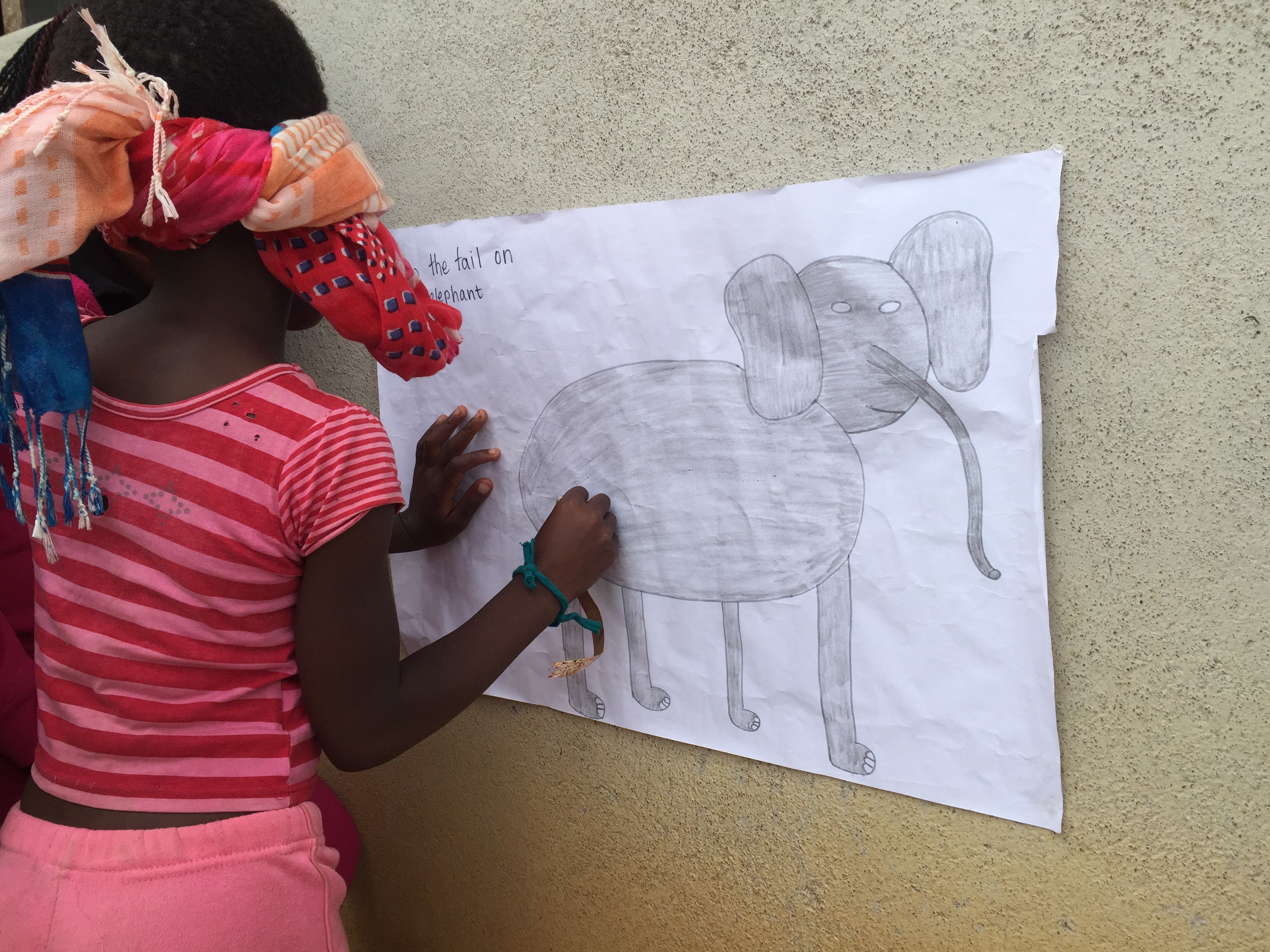
Wednesday photo: Pin the tail on the elephant 

In December I helped a vacation bible school plan a fun day. I helped organize some carny games that the children really enjoyed. 

My favorite game was pin the tail on the elephant, which I made myself. 

  
We also had sack, wheelbarrow, and egg races; horseshoe; bobbing for apples; and a ball toss. 

Posted in Africa, Peace Corps, Swaziland, Wednesday photo | Tagged , , , , , | 3 Comments

The chicken diaries: The first day of freedom

I became a parent to two chickens I named Sitfwatfwa (snow) and Thandi (love) in January 2017. This is their story. 

My chickens were released from time out thanks to Thandi’s escape tactics. 

I had just removed the jerry can and metal grate from the top of their barrel. I reached in to get the water bowl and again to get the food bowl. As I was trying to get the grate back on top of the barrel, Thandi flapped her wings, landed on the edge of the barrel, and escaped the cooking hut. 

She did not run once escaped, which was a good sign. Make told me to get Sitfwatfwa out, too, and spread out some food. 

Of course, all the other chickens came running and pushing my chickens out of the way. 

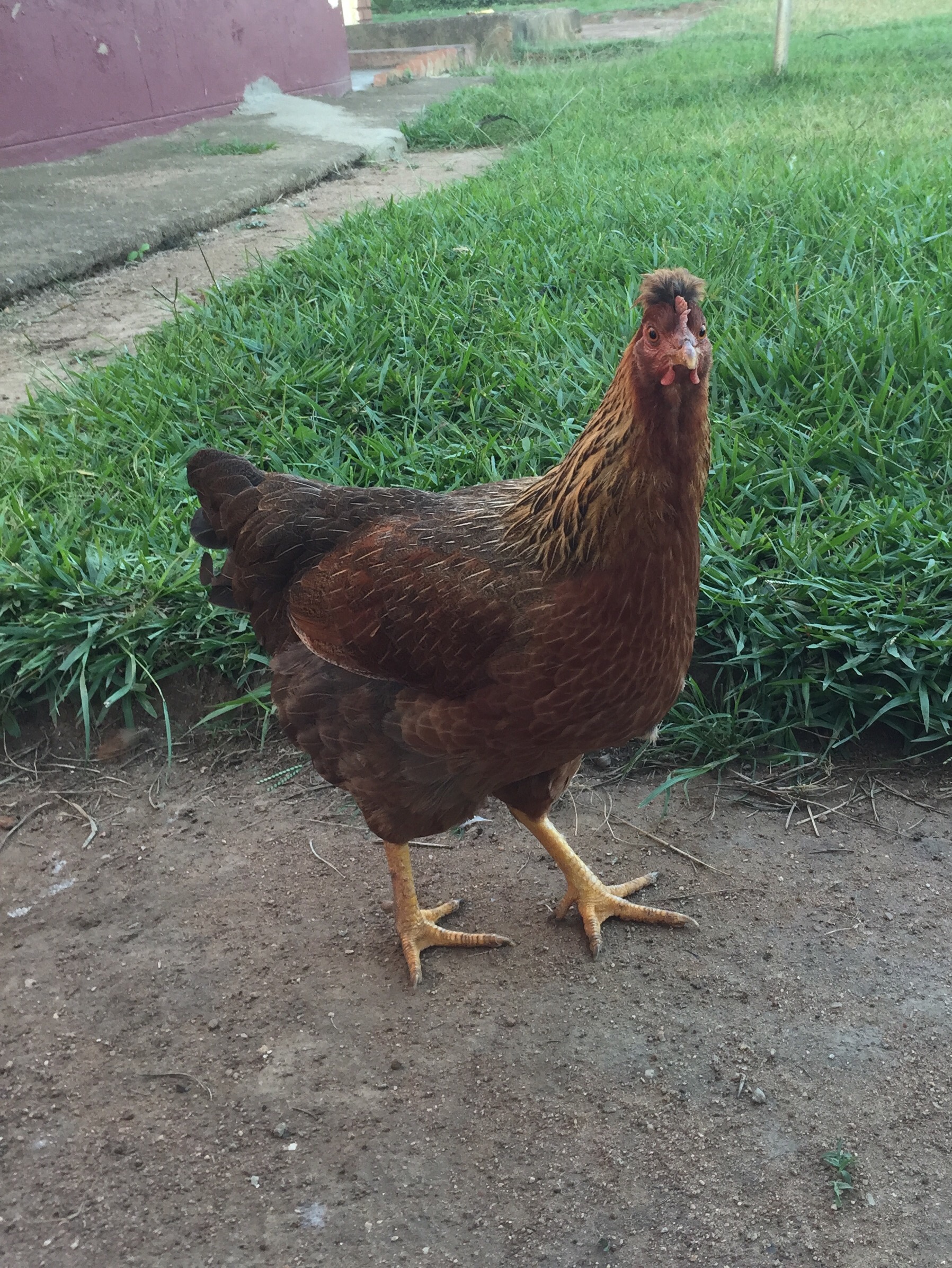
Thandi posing for a photo. I can pick her out from the others because of the feathers that poof up on her head.

The realities behind the phrase “pecking order” all came to light today. I was even like a mother hen, checking on my chicken children many times throughout the day. 

The rooster is definitely in charge. He gets what he wants now now. Then there are two big hens next in line. Then there’s a younger hen with babies, one big ugly pullet (a chicken that hasn’t laid eggs yet), and a variety of teenagers (in weeks). 

Sitfwatfwa is like me, a little bit afraid of stepping on its new families toes and ran away before she really got in anyone’s way. 

Thandi, of course, was ready to fight. There were a few small chicken fights thoughout the day, and no apparent injuries, just a lot of ruffled feathers. 

Their broiler chicken friend from time out is still their friend, which is good. Unfortunately, this chicken think my toes are food. Once she gets close to me, she follows real close, trying to find a moment where she can peck at my bombozo.  

I can kind of get my chickens to follow me. They are willing to let me stand real close, but I haven’t tried holding either since their release. 

I am also worrying about them getting enough to eat. If I tried to feed them, all the other chickens would eventually come running and push them out of the way. I need to find a way around this because I will need to give them special food to lay better eggs. 

The day ended successfully with make getting both of my chickens into the mango tree to spend the night. 

Posted in Africa, Peace Corps, Swaziland | Tagged , , , , , | 4 Comments

What’s in a Swati name?

Sisi, greet this person. Sisi, greet this person. Sisi, greet this person.

I was receiving a tour of my soon-to-be home and community from my eldest sisi, and she wanted to make sure I made a good impression that day.

Nail the greeting, and no other siSwati (really) matters. The people you meet will say that your siSwati is so great, that you will be fluent in no time, and all you did was acknowledge him or her properly.

The greeting needs to be person specific, and you need to use as much about that person as you know.

A proper greeting goes something like this:

Me: Sawubona + mother/ father/ sister/ brother + last name/ praise name

Other person
: Yebo.

Older person should ask first question
: Unjani? (How are you?)

Reply
: Ngiyaphila. (I am well.) Unjani wena? (How are you?)

Older person:
Ngiyaphila nami. (I am also well).

Reply
: Hamba kahle. (Go well.)

Older person:
Hamba/sala kahle. (Go/stay well.)

Praise names

The praise name that could be a part of the greeting is the cherry on top of a well-done greeting. A praise name tells the history of a family’s last name and it is many words long. A praise name essentially identifies the clan you are part of. eSwatini is a nation of  one main tribe of people, and the last name and following praise name is important heritage.

For instance, the last name of the king is Dlamini. This is the royal clan. The first word of their praise name is nkhosi, which means king. The second part is wena wekunene, which means you of the right.

This is the last name of my chief, who is also a prince, and therefore more closely related to the king than other Dlaminis. When he is greeted, you answer his questions with nkhosi and call him nkhosi.

Nkhosi is also used as the generic praise name for all emaSwati because it is the king’s praise name. For instance, when I greet a crowd of people at a meeting, I say, “Sanibonani bonkhosi.”

The family histories

The praise name for my family includes ntimandze bhambo lunye tingaba timbili teta nenyoko ekhabonyoko. The first word has no translation; the rest are: rib one if there are two of your mother from her home. That means something about taking one of your mother’s two ribs from her body.

My family knew the stories of a few other surnames.

Once there was a king named Mavuso and he was left handed, which is disliked in the Swati culture (and many others in the world). At some point in his life, a parental figure poured hot porridge into his left hand so that it would burn, be unusable, and ultimately force him to use his right hand. His clan took on the surname of Mavuso and a main praise name of ncele, which means left.

The Shiba clan tells a story about a man who left his job with a king and joined the people living in northern eSwatini. His trademark habit was dunking a piece of bread into his soup, and so he was named for this. Kushiba continues to mean to dunk.

The Motsa clan had special rituals that would bring the rain in times of drought. Their praise name is mvulane, which comes from imvula, which means rain.

The Tfwala women were experts at carrying lots of items on their heads. Kutfwala means to carry a load on your head.

The Mabuza clan is named after a man who asked too many questions, because kubuta means to ask.

The Mamba clan is known to be cruel because of its praise name story. This clan was often at war with other clans, and when the Mambas would win, which was often, the battleground would turn to dust. The main Mamba praise name is ntfulini, which comes from lutfuli, which means both disturbance and dust.

Praise names, marriage, and thanks

People with the same main praise name cannot marry. For instance, both the Matsebula clan and the Tsabedze clan use mkholo as their main praise name. I would not be able to marry a Kunene, Madvonsela, some Shongwes (some use ntimandze and some use mabhengeta), or an Ngwenya.

Praise names also come into play with the king’s marriages. There are some clans that cannot marry the king, and others that he needs to marry (Magongo and Matsebula, for example).

Knowing praise names is also important for giving thanks. Sure, you can just say ngiyabonga (thank you), but you can also use the person’s surname or praise name instead.

Praise name goals

One of the most memorable presentations during Pre-Service Training was about the history of Swaziland and was led by a man from the National Archives. He had an incredible knowledge of praise names. He had all the praise names of a variety of surnames memorized and could recite them so fast and furiously. I think the whole group stared at him in awe.

I have perfected my greetings since the days of PST. Now it is time to wow my neighbors and friends with my knowledge of their praise names and family heritage.

****
This post is part of Blogging Abroad’s 2017 New Years Blog Challenge, week three: Cultural Differences.

Posted in Africa, Peace Corps, Swaziland | Tagged , , , , , , | 5 Comments

The chicken diaries: Time out

I became a parent to two chickens I named Sitfwatfwa (snow) and Thandi (love) in January 2017. This is their story. 

My chickens spent a week in time out because of their flight risk. Apparently, chickens just want to go home, and when your chickens’ last home was the coop at your tutor’s house next door, that’s where they want to be. 

When sisi and I first brought the chickens home, make instructed us to put them in an old barrel with a broiler chicken my family decided not to eat. They were going to live there until make deemed them adjusted to our home. 


The newest members of the family, Sitfwatfwa and Thandi.

 
Make thought the chickens would stay in the barrel for a few days and then they would move into the mango tree the other chickens call home. 

But Thandi had other plans. 

On their second day here, make let them out to see how they were adjusting. Sitfwatfwa ran away first and was later collected from my tutor. 

Then when I got home in the afternoon, make said Thandi had run away. I went to my tutor’s house to look for her, and we found her in the coop getting settled for the night. 

My tutor had to battle all the chickens and the rooster in the coop to get Thandi out. The rooster flew into my face and fortunately did not hurt me. 

I took Thandi home and put her in the barrel. I checked on her about five minutes later and she was gone. Again. 

I sounded the alarm and formed a search party. We chased her across the yard, and I failed to catch her. Trying to catch something with wings, a sharp beak, and claws is terrifying. 

We followed her into the grass and lost her. Finally make caught her. 

Of course, we now had to escape-proof the barrel. This involved a metal grate placed over the barrel and it was first held down with a broken chair and later a broken jerry can. 

This first week of their life with me was not luxurious by any means. 

The barrel was cramped and cleaned out every few days. They were forced to stay in time out because of the flight risk. 

I took Sitfwatfwa out about once a day, but I never let go of her. Thandi scared me too much to try to hold her. 

Reaching into the barrel for their food and water bowls was terrifying. I never knew if they would try to peck me or try to escape. 

Of course, Thandi would choose one of these moments to make her escape again, leading to their freedom from time out. 

Posted in Africa, Peace Corps, Swaziland | Tagged , , , , , | 2 Comments

Wednesday photo: Me and my chickens

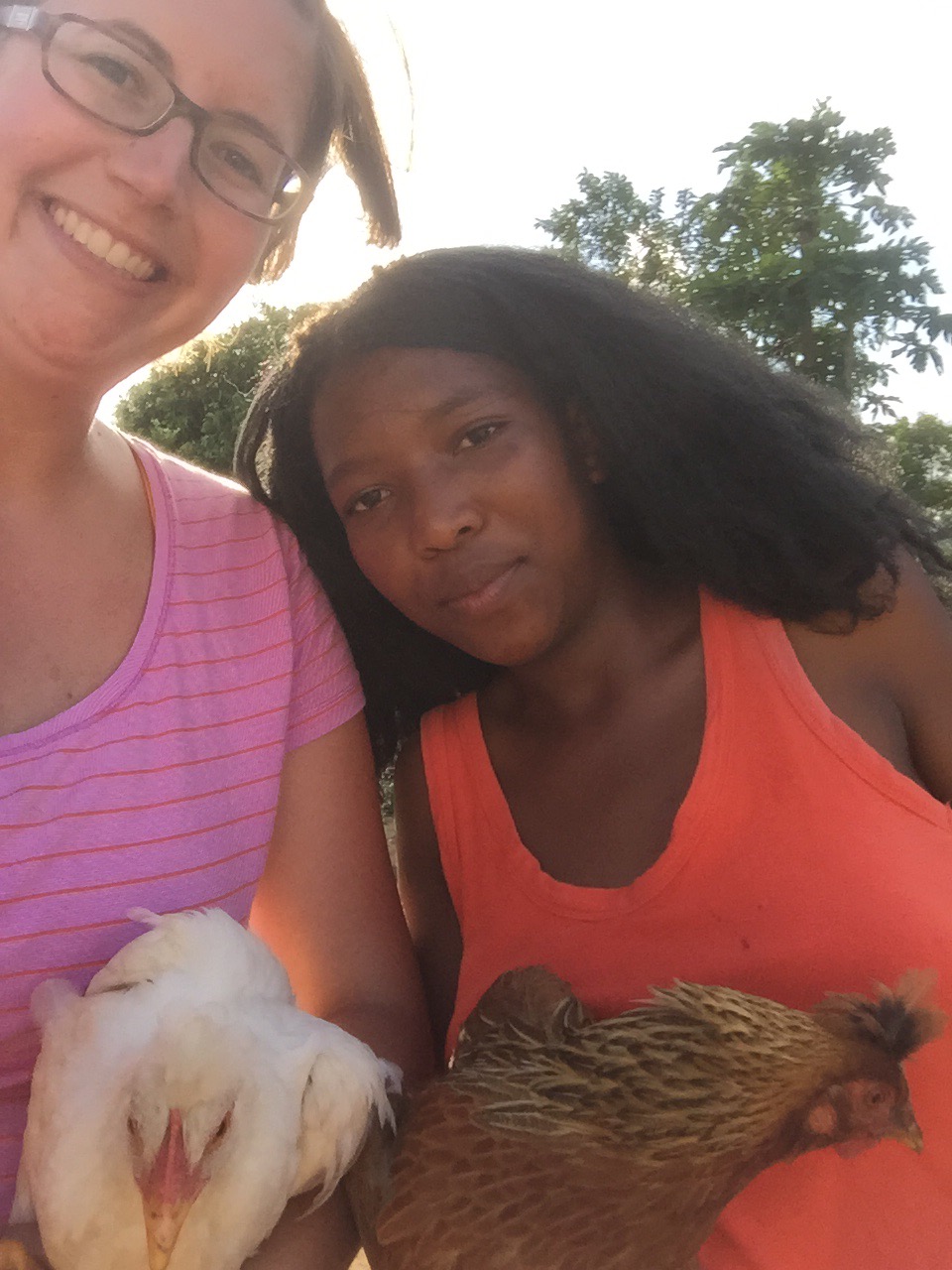
I told my tutor that I wished someone who lived near us sold eggs. A few days later, she showed up at my house saying she bought me chickens. 

My response was something like, “Uh, I don’t know how to take care of chickens.”

I paid her for the chickens and asked her to keep them for a few days because I wasn’t ready to be a parent to chickens, especially because I was going out of town. 

I spent that afternoon–and many days since–furiously reading about chickens. 


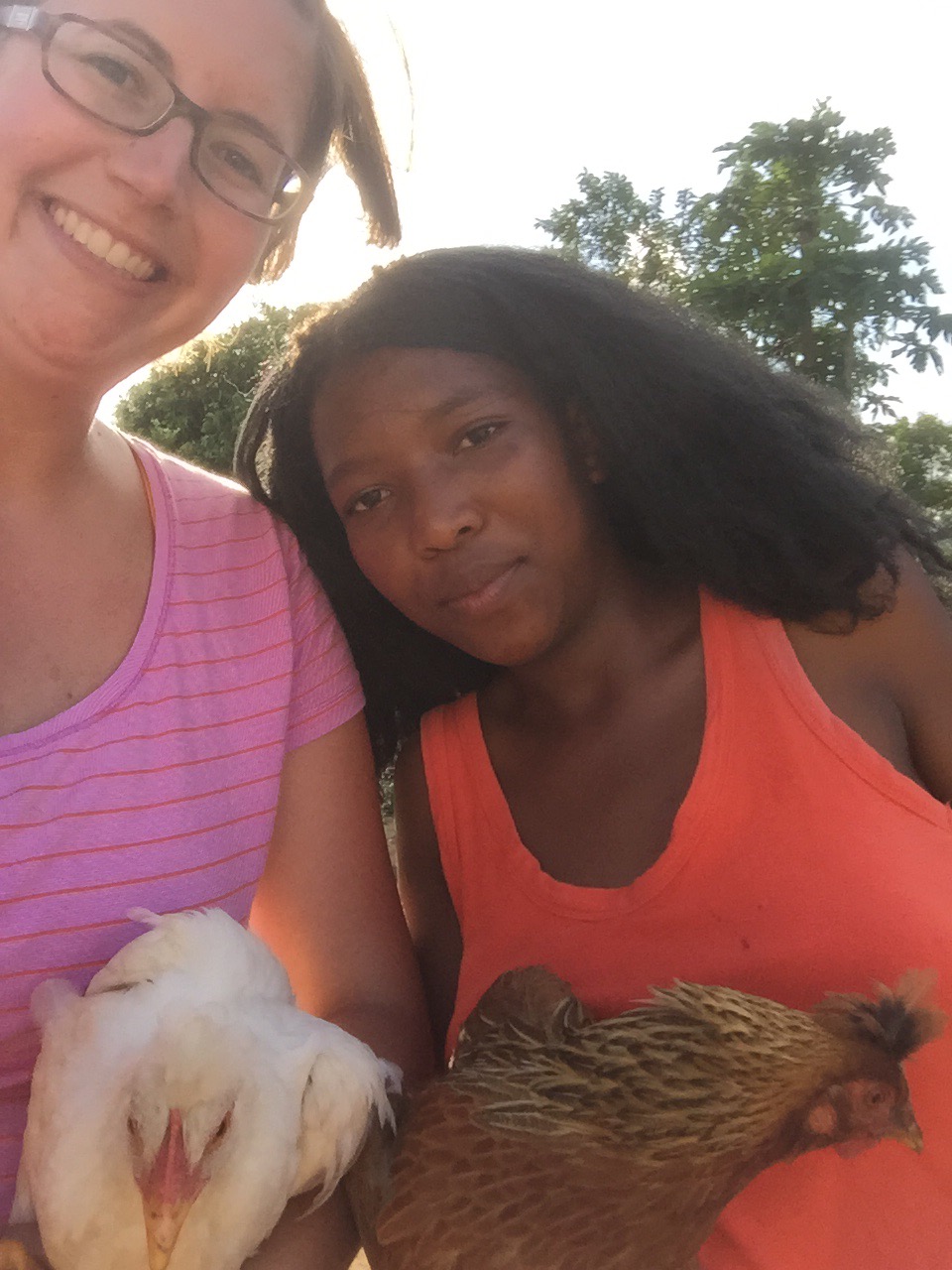
I am holding Sitfwatfwa (snow) and my sisi is holding Thandi (love)

 
Since collecting my chickens, they have spent most of their time in what I have named time out. 

My chickens really wanted to return to their home at my tutor’s house and ran away a few times the first day they were let out. So they were returned to time out for another week. 

I think they will be let out tomorrow and I hope they will decide that my house is their home. 

I also think they are starting to know me. They get really excited when they see me, but maybe that’s because I bring food and water. 

They also have lots of silly antics, like flipping their food dish over to stand on and talking with another chicken friend from time out that has been released (this chicken thinks my toes are food!). 

Posted in Africa, Peace Corps, Swaziland, Wednesday photo | Tagged , , , , , | 1 Comment