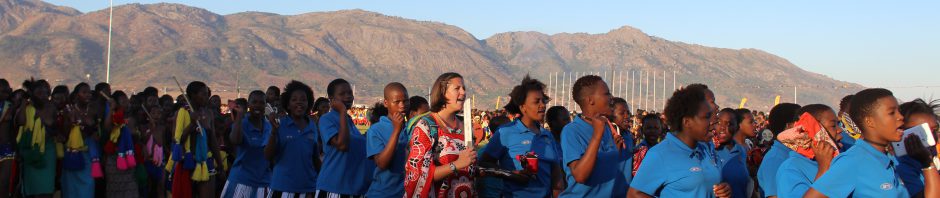
There’s more to me and America than what Swazis know from TV

We are all guilty of knowing and assuming a single story about a group of people, their homeland, and their culture and traditions.

Before coming to Swaziland, I knew very little about this tiny country in southern Africa. I knew Swaziland is Africa’s last absolute monarchy and that the king is resisting any changes from that status. That information is true, and Swazis like to ask me how I feel about that, which the PCVs in Swaziland have been told to not discuss.

Of course, Swazis like to ask me many questions about my life, my marital status, my religion, how I voted in the 2016 U.S. presidential election, how my country could elect someone like Trump, and if I could take them to the U.S. when I leave Swaziland to be my garden boy or cook, or perhaps to study at an American university.
img_3179

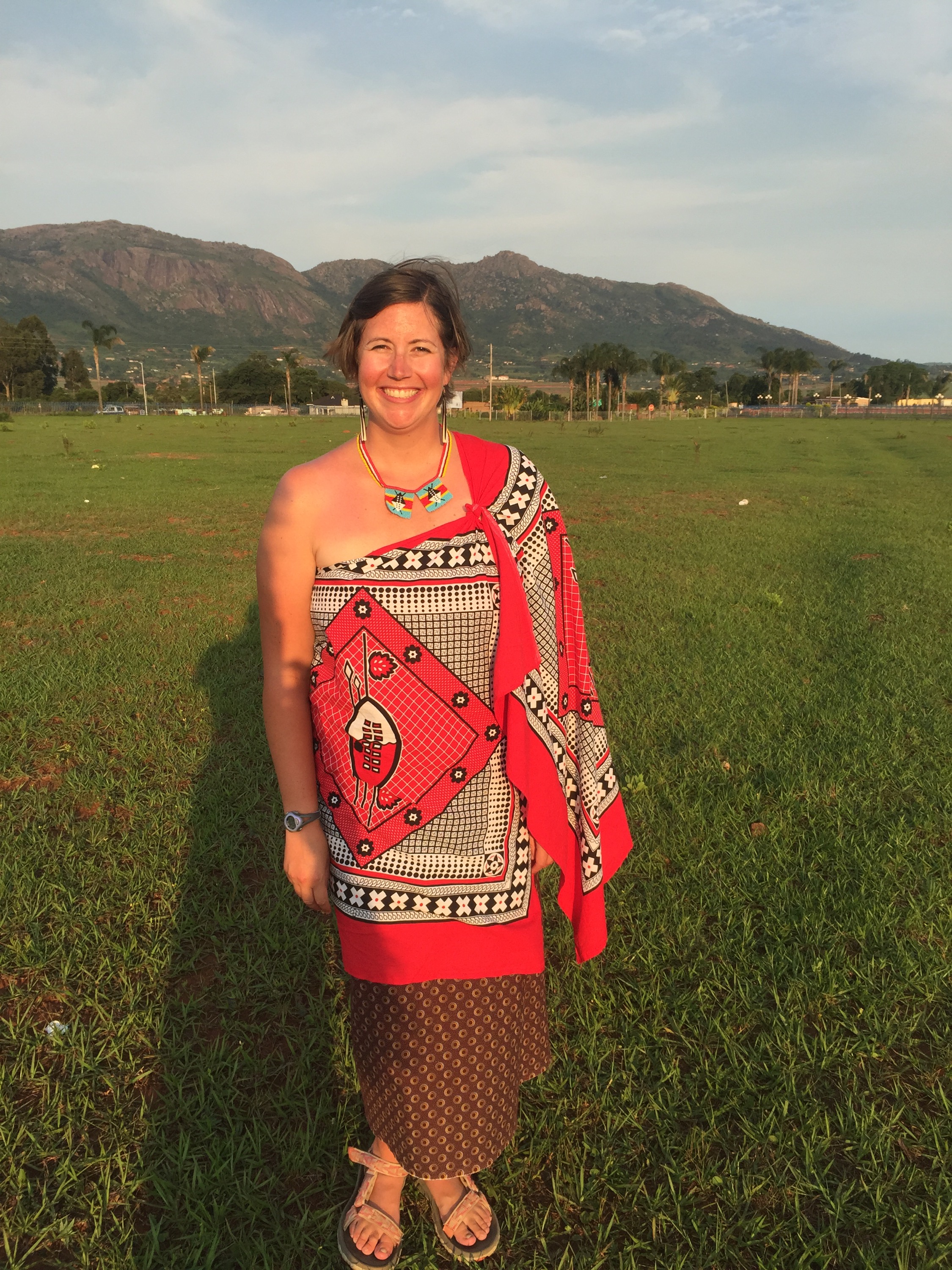
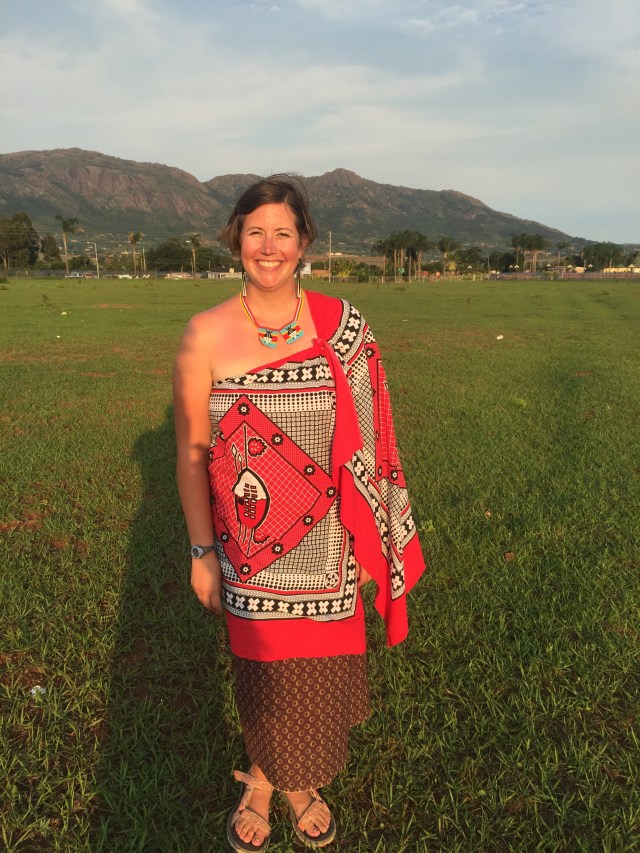
I receive even more questions when I am traditionally dressed


I usually answer everyone’s questions, time and patience permitting, about everything. One of Peace Corps’ goals is to share knowledge about America with the people of the country where we serve, and I thoroughly enjoy showcasing America in a different light than most people are used to.

Swazis know a single story about Americans. They expect us to be wealthy white people with lots of money to share and knowledge to bring to do “things” to improve their community. This is what white people have been doing for a century in Swaziland and they expect me to be just like the development workers they have encountered and just like the people they see on TV.

Sure, I am a white person come to Swaziland to do development work–better called capacity building–with the Peace Corps. But after that, my story changes.

I like to tell people about the amount of debt I have accrued to receive a master’s degree. I was not in debt after my bachelor’s degree thanks to working hard to receive lots of scholarship money and because my parents saved for my education. I decided to return to school and study for a Master of Public Health degree and my finances instantly changed.
img_3402

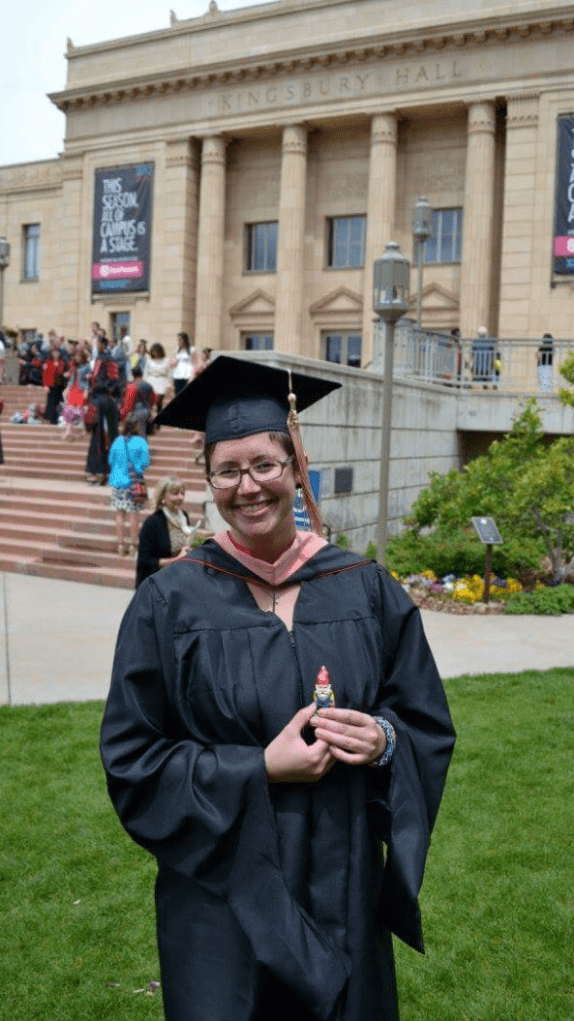
After graduation from the University of Utah’s Master of Public Health program


I worked more than full time during those two years over three jobs. I worked on campus for two professors that helped reduce my tuition bill, I worked as a pharmacy technician at Target, and I taught curling on Saturday nights. All of that just paid the bills, so I still took out a lot of money in loans, particularly to pay for two study abroad programs in Ghana.
img_3404

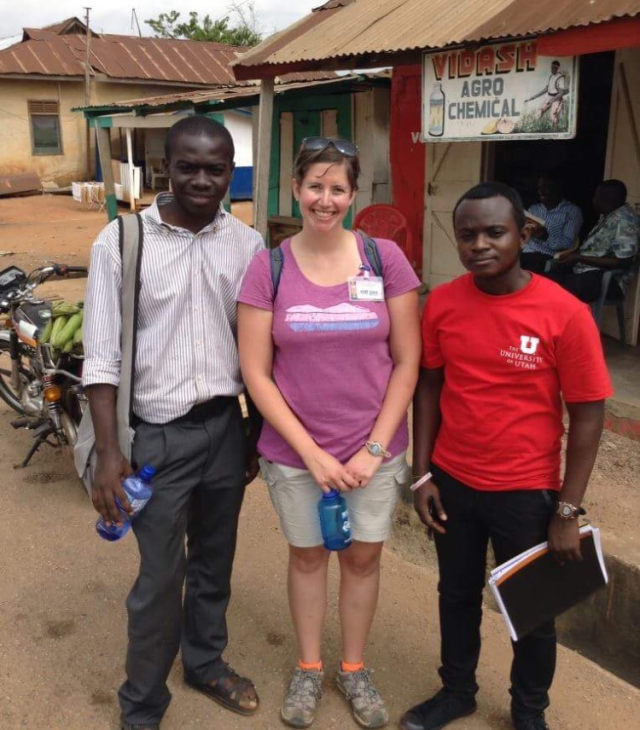
My teammates and I after our last interview of the day


Most Swazis have no idea that higher education is not affordable to Americans. When Swazis say they want to study in America, I steer them towards Europe instead, where university programs are often free and still taught in English.

When men ask to marry me, I first tell them how many cows my babe wants for me (140, and the usual price for a college-educated female is 15), how many elephants I want (two), and how much money they would have to pay to the U.S. to pay off my student loans ($40,000 or E560,000 in the local currency). Men sometimes say they could acquire 140 cows paid in installments over many years. Most men brush off the request for elephants. No one knows what to say about the large amount of money I need to pay off my student loans, though.

I bring up that amount of money again when people ask me to pay for their or their children’s educations. I explain that I am a volunteer and am earning no money while working in Swaziland and that I am still paying for my education, so there is no way I could pay for yours. Sometimes they follow up with asking if my parents could provide them the money, and I have discovered the best answer is that my parents are not employed, which is true and which Swazis understand and then stop asking for money.

Swazis also sometimes ask for me to take them to the U.S. when I finish my work here. They offer to work in my garden, cook my food, or wash my laundry. Sometimes I tell them that I do not want to return to the U.S., which is usually incomprehensible because they believe the U.S. to be such a great and wonderful place where all your dreams come true and money grows on trees and jobs are available everywhere.

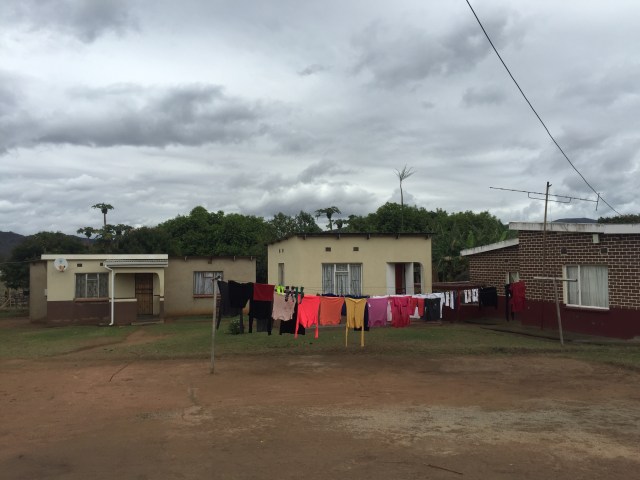
Other times I say that I do not have a house and therefore do not need a garden boy, that I like preparing my own food, and I use a washing machine to clean my clothes. Often I am stopped at the point when I say that I do not have a house. This is, again, unbelievable. In a country of so much wealth, how could I not even have a one-room house I built myself on the property of my parents?
img_2898

My one-room home in Swaziland


The perception is that even with whatever America is expected to be by Swazis, they also expect us to still live like Swazis do: on the homestead of our parents with many generations living together and that we all have a small farm with cows and chickens.

Part of my responsibility as a Peace Corps Volunteer is to share what America is like to me and to reduce the view that there is a single story about the U.S. I enjoy this role. I have had this conversation about me and my views of the U.S. so many times in the seven months that I have lived in Swaziland, and I know it will continue to be a topic for conversation.

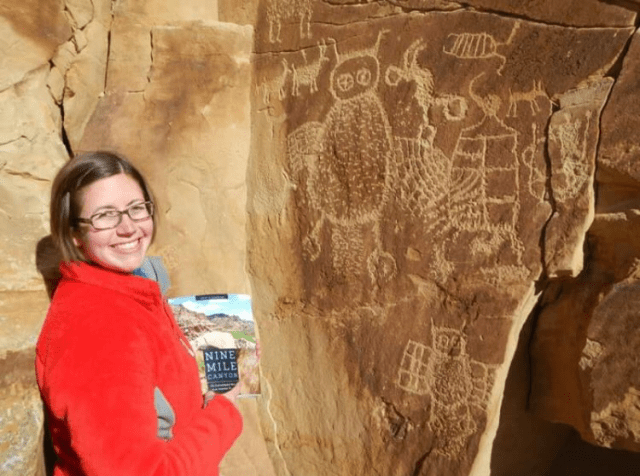
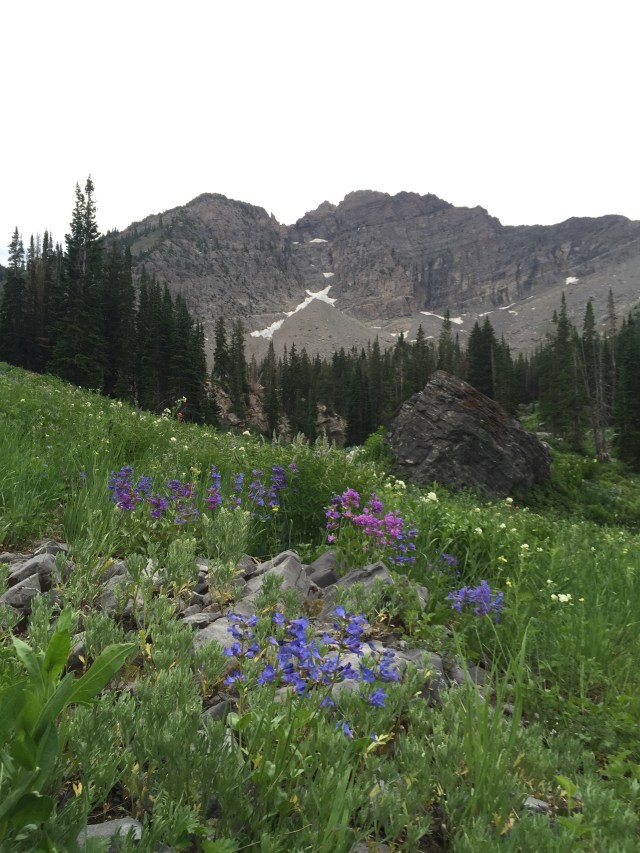
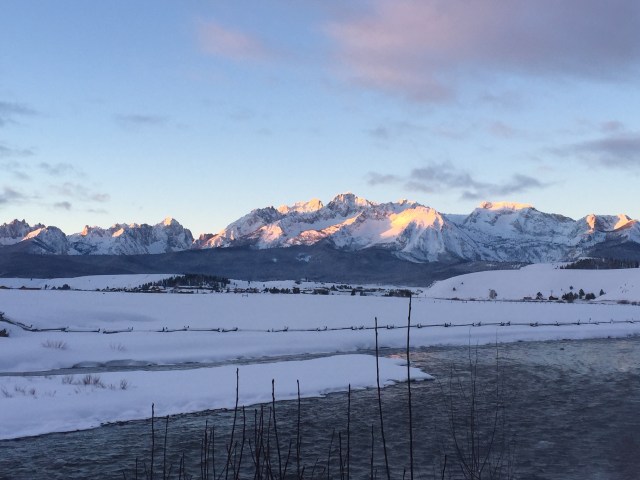
I also know if I was sent back to the U.S. today, that I have changed some people’s expectations of America and Americans. I have succeeded in broadening their views of a broad and complicated and diverse place, a place where two people can have entirely opposite opinions about what is right and wrong with its state of affairs and continue to live together. It is a place where I have learned to see many of its problems and mistakes during its short history, but it is also a place that I still find beautiful. 
img_3403

Ancient Indian rock art at Nine Mile Canyon near Price, Utah
img_1982

Devil’s Castle in early July in Albion Basin, Alta, Utah

img_0498

Sunset over Lake Erie near Huron, Ohio
img_2299

Sunrise over the Sawtooth Mountains in Stanley, Idaho


Don’t you think it is beautiful too?

And all of these thoughts are important to destroying the single story of America, one conversation about my student loan debt at a time.

****

This post is part of Blogging Abroad’s 2017 New Years Blog Challenge, week two: The Danger of a Single Story. This prompt is based on a TED talk by author Chimamanda Adiche. Coincidentally, I was shown this video during PST because of the powerful message it shares.
Posted in Africa, Peace Corps, Swaziland, U.S. | Tagged , , , , , | 2 Comments

Wednesday photo: Swazi Candles

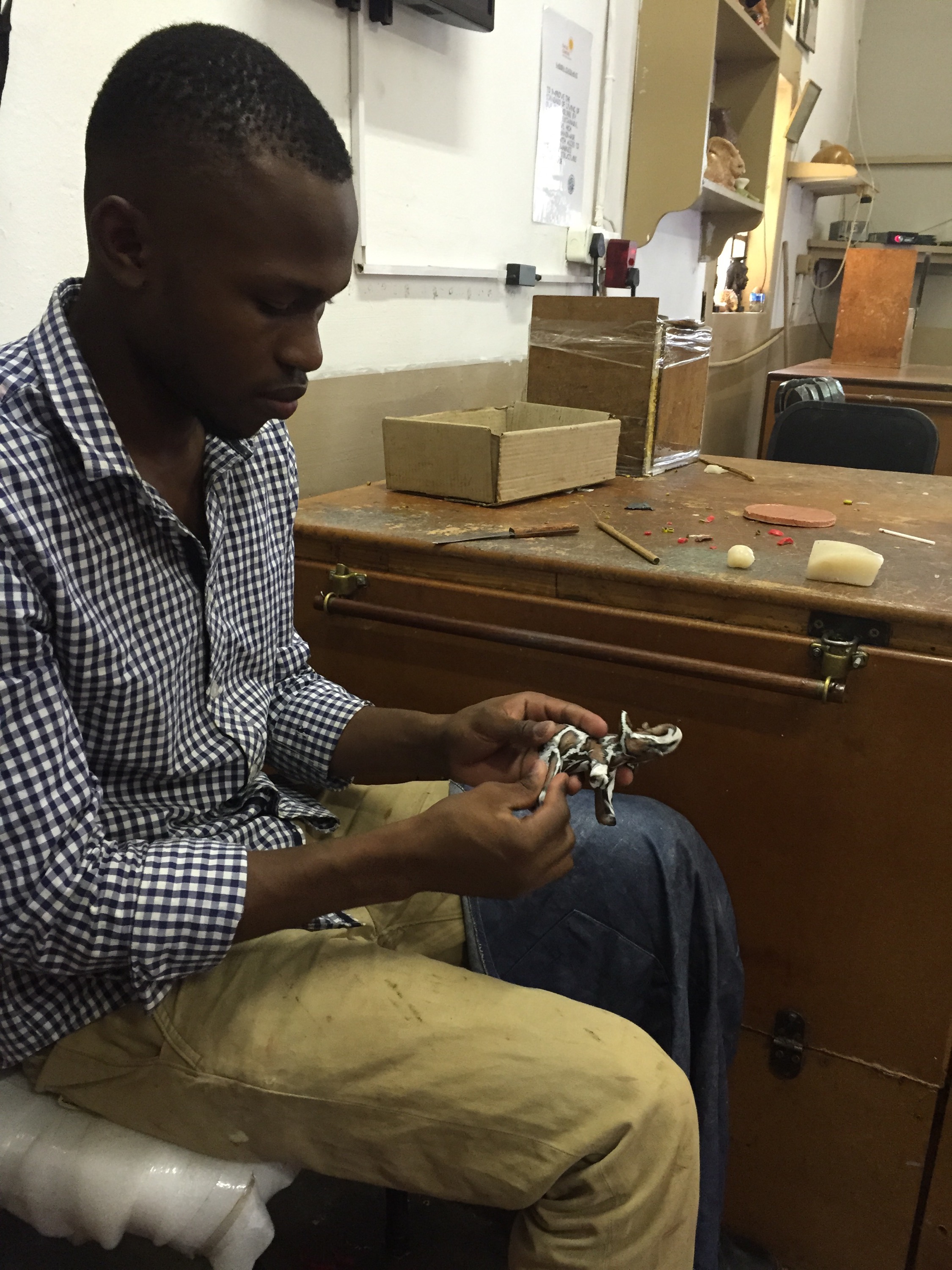
One of the most famous local products on the tourist route are candles shaped like animals. 

Swazi Candles is in Malkerns, and the complex houses shops for many other locally-made products and crafts.  


A crafter at work making an elephant candle

 
The candles are actually pretty cool and watching the process is a must-do. 

Posted in Africa, Peace Corps, Swaziland, Wednesday photo | Tagged , , , , , | Leave a comment

A moment in my life: A green lollipop

So many entertaining things happen in my life in Swaziland. These are the moments I will want to remember because they make me laugh, and they show insight into my daily routine. These moments are often hard to photograph and usually last only a minute or two. I will start sharing them with you in this occasional series. 
You know it is true love when littlest bhuti Wenzo wants to share his lollipop with you. 

Posted in A moment in my life, Africa, Peace Corps, Swaziland | Tagged , , , , , , , | Leave a comment

What’s cooking: Cinnamon apple custard pie

I first made this pie for Thanksgiving a few years ago when looking for something different to try. I made a few changes to the original recipe, including using a sugar cookie crust instead of a regular pie crust.

This cinnamon apple custard pie soon became a favorite because it was different and it was easy. There are no complicated ingredients, and it can be made crustless so that it can be made without a stoven. The custard and apples are prepared on the stovetop, which makes this a perfect recipe for Swaziland, too.

And finally, the pie does not have to be made in a pie dish, especially because I have yet to find a true glass pie dish in Swaziland. I have been using a quiche dish I bought at Punch Bowl in Manzini for E25. The first time I made the cinnamon apple custard pie in Swaziland I used a glass loaf pan from Shoprite for E25. I also used pears instead of the apples. The pie could just as easily be made in a square cake pan or baking dish, as well.
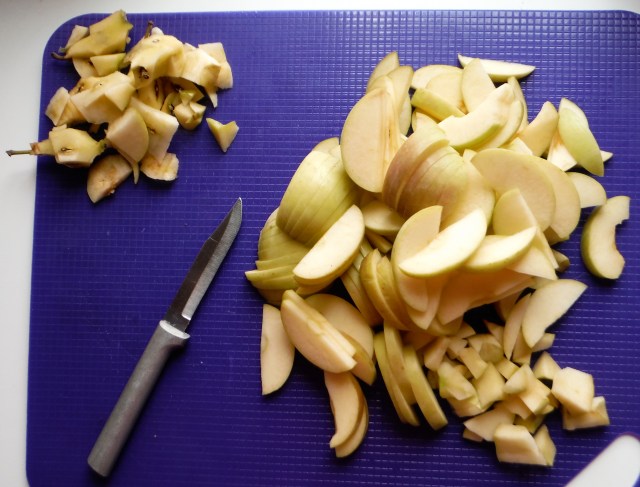
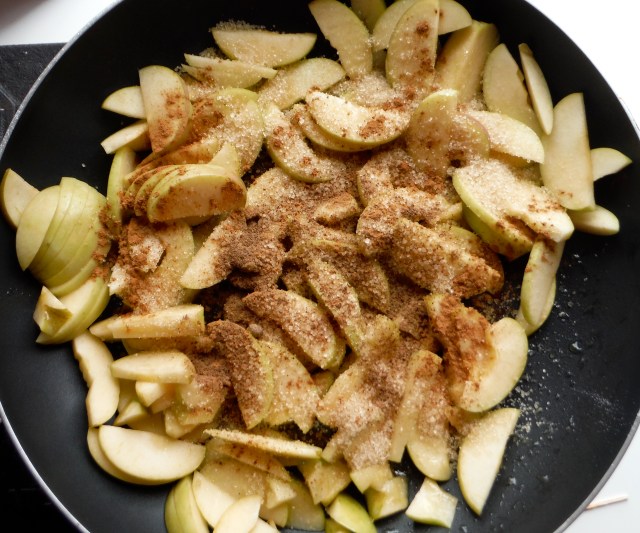
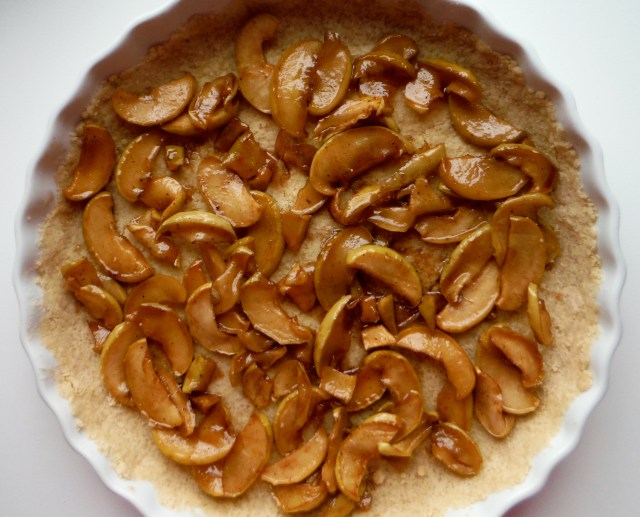
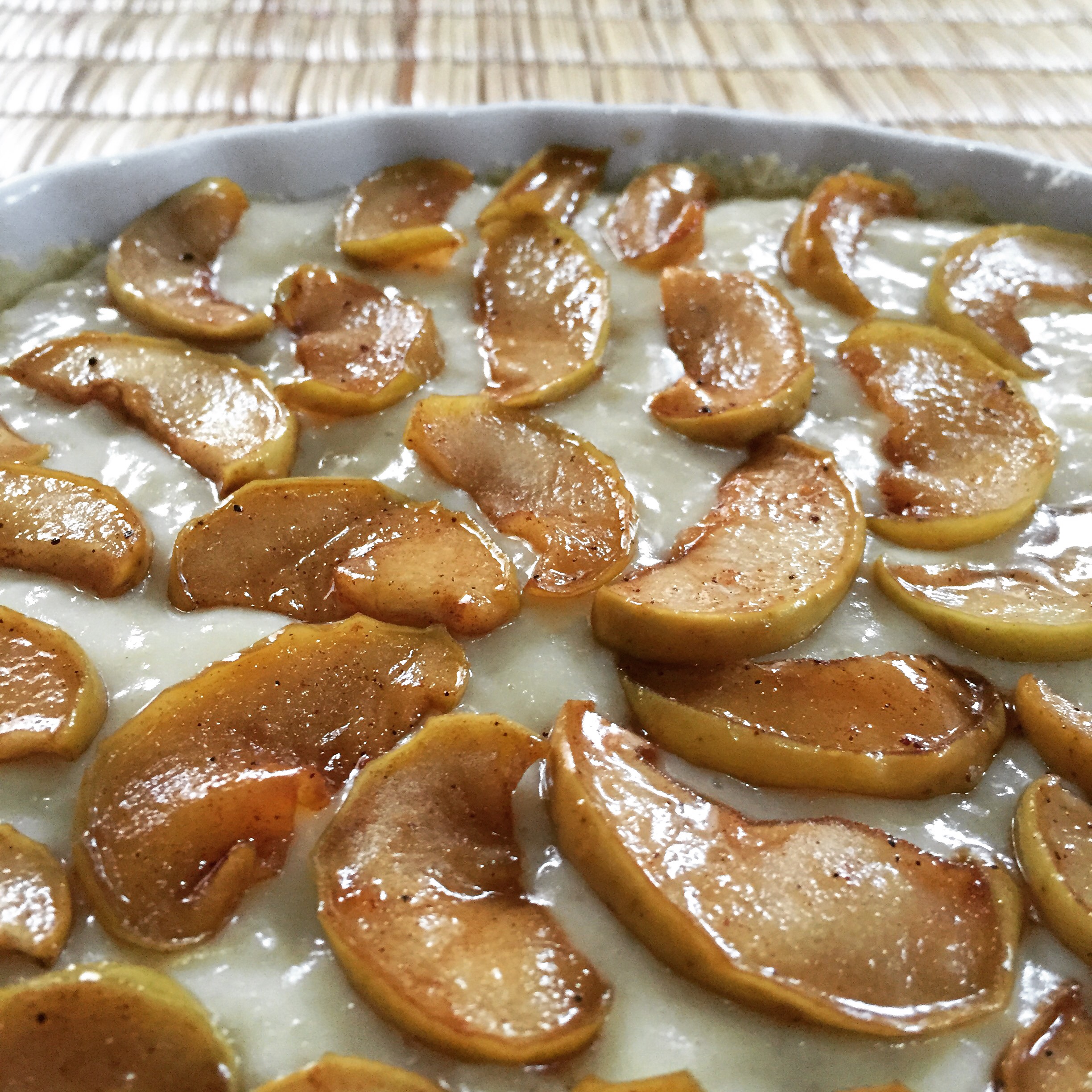
You will prepare the apples first and cook them in a skillet until they begin to caramelize.

dscf3559

Slice five apples

dscf3560

Cook the apples, cinnamon, sugar, and nutmeg

dscf3561

Cook until the sugar begins to caramelize

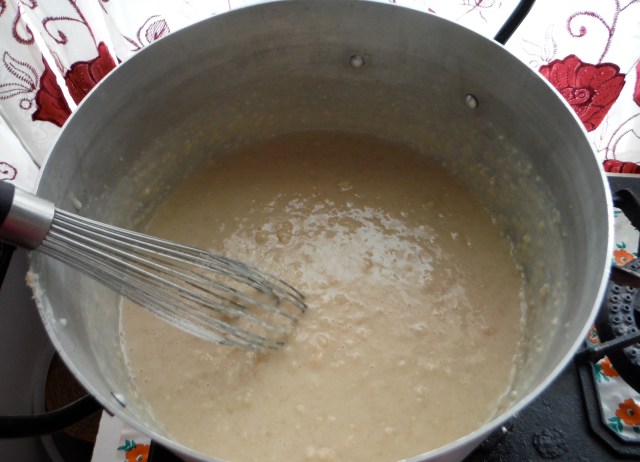
Then, you will make the custard, which is made from egg, flour, sugar, and milk.

dscf3556

Heat the milk, sugar, flour, vanilla, and salt until simmering

dscf3557

Pour one-third of the flour mixture into the eggs

dscf3558

Stir until combined then return to pot

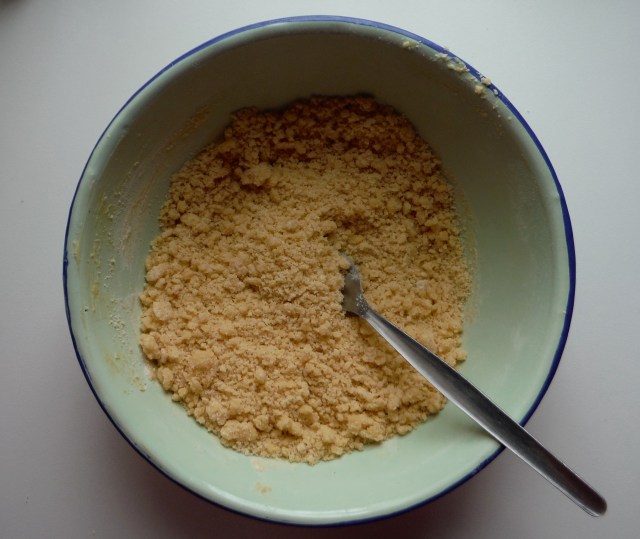
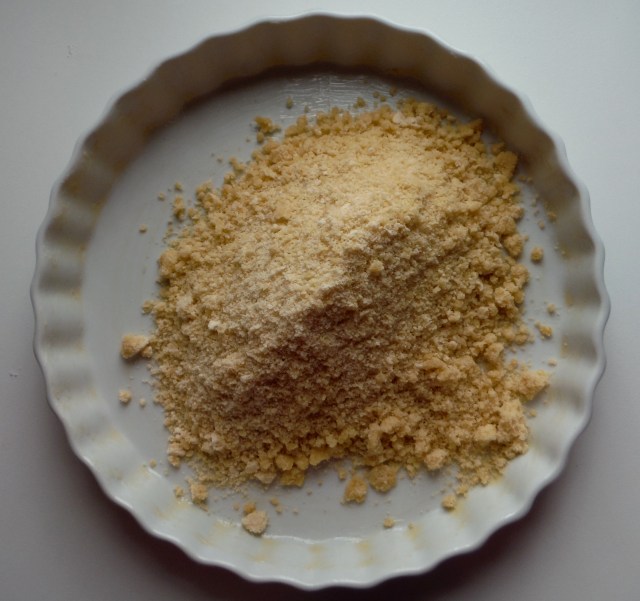
Then, you will make the sugar cookie pie crust and bake the crust for 10 minutes.

dscf3548

The ingredients

dscf3550

Mix together until crumbly

dscf3553

Grease your dish and add the crust mixture

dscf3554

Pat the crumbs by hand to cover your pie dish and bake for 10 minutes

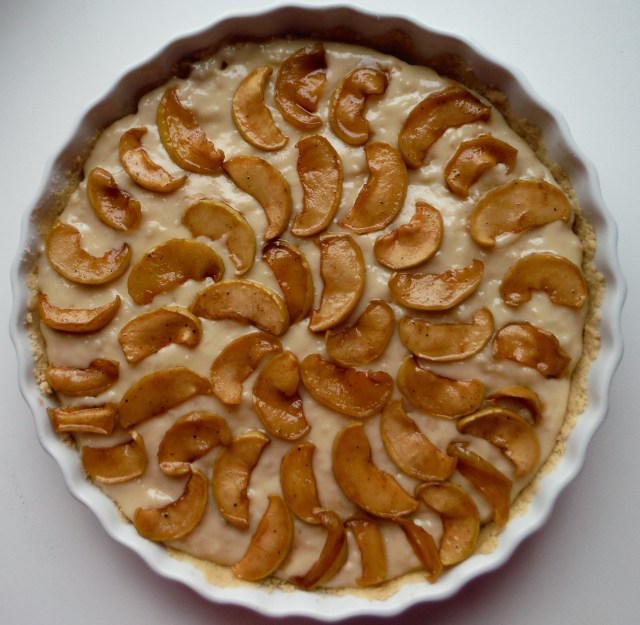
Finally, you will layer apples, custard, and more apples in the pie crust.

dscf3562

Add a layer of apples to the pie dish

dscf3563

Add the custard

dscf3564

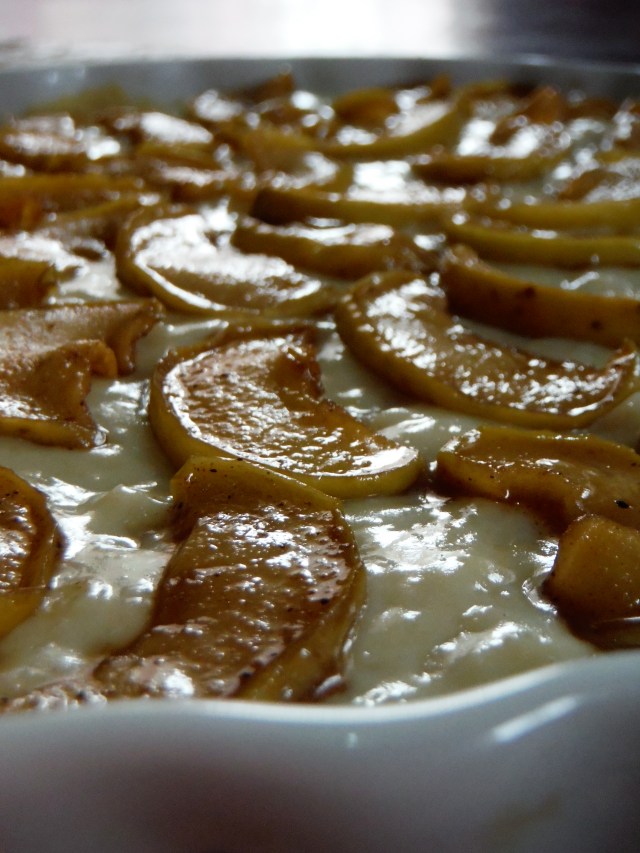
Top with remaining apple slices

Now for the recipe.

Difficulty: Easy

Cost of ingredients: E25

Time: One hour of active work

Servings: 8+

Tools needed:

  • Pairing knife
  • Cutting board
  • Non-stick skillet
  • Spatula
  • Measuring cups
  • Measuring spoons
  • Pot
  • Whisk
  • Small mixing bowl
  • Fork
  • Pie dish

Cinnamon apples ingredients:

  • Margarine
  • 5 apples sliced
  • 1/4 c sugar
  • Cinnamon to taste
  • Nutmeg to taste

Recipe:

Slice apples. Peel if desired. Heat skillet with margarine. Add apples, sugar, cinnamon, and nutmeg. Cook for roughly 40 minutes until the sugar has thickened but has not caramelized. Once the apples are cooking, start the custard.

Custard ingredients:

  • 500 ml milk
  • 1/2 c sugar
  • 1/4 t salt
  • 1/2 c flour
  • 1 t vanilla
  • 1 egg
  • 1 egg yolk

Recipe:

Bring milk, sugar, salt, and vanilla to a simmer in the pot. Separately, whisk together the egg and egg yolk. Once the milk is simmering, gradually whisk in the flour. Remove the milk mixture from heat and pour 1/3 of the mixture into the eggs. Whisk together slowly to avoid scrambling the eggs. Return to pot once combined. Cook and whisk continuously for 30 seconds and then remove from heat. Custard will be lumpy. There is no way to avoid this, plus you know when it is lumpy that it is home made. While waiting for milk to simmer, begin crust.

Sugar cookie crust ingredients:

  • 1/4 c margarine
  • 1/4 c sugar
  • 1 egg yolk
  • 1 c flour
  • 1/4 t salt

Recipe:

Combine margarine, sugar, and egg yolk. Mix in flour and salt. Mixture should be crumbly. Pat mixture into pie dish. Bake at 190 C for 10 minutes, rotating 180 degrees at 5 minutes.

Assembly:

Once the cinnamon apples, custard, and sugar cookie crust are complete, begin assembly. Pour two-thirds of the cinnamon apples over the crust. Then pour custard over apples and allow it to set for one hour, preferably in the refrigerator. Finally, top with the remaining cinnamon apples before serving.

Enjoy!

dscf3570

Recipe is based on Martha Stewart’s apple custard pie.

Posted in Africa, Peace Corps, Swaziland, What's cooking | Tagged , , , , , , , | 5 Comments

Wednesday photo: My garden grows

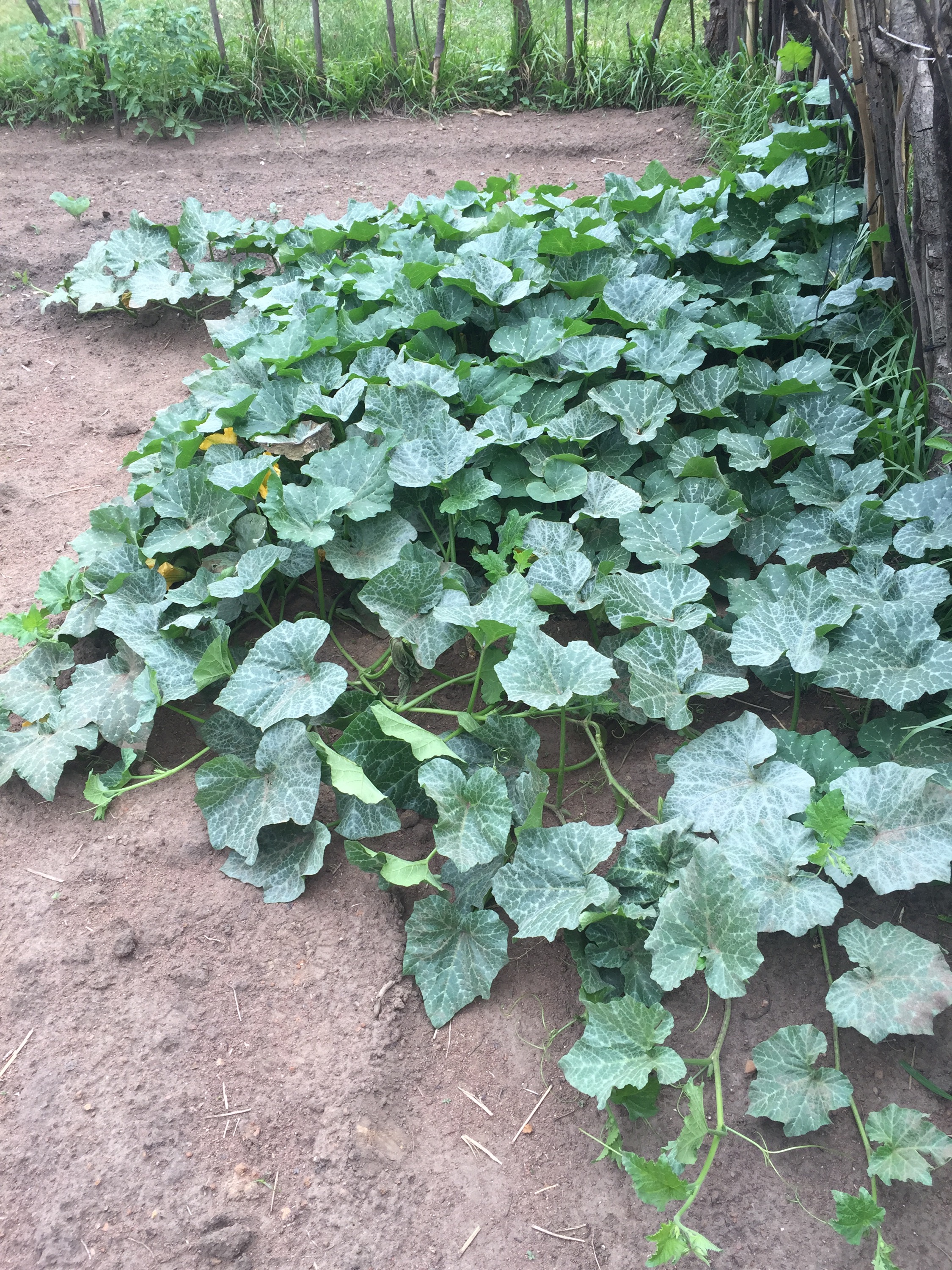
I tried planting a variety of vegetables in a variety of ways. Most failed, still to unknown reasons. 

What I thought would fail the most was my butternuts. I planted seeds from a butternut from the market, and I had no idea if it was GMO. 

Luckily for me my butternut plants have been growing like crazy, except they have been having some problems. 
 

This photo is from Christmas. The butternut vines are even bigger now!

 
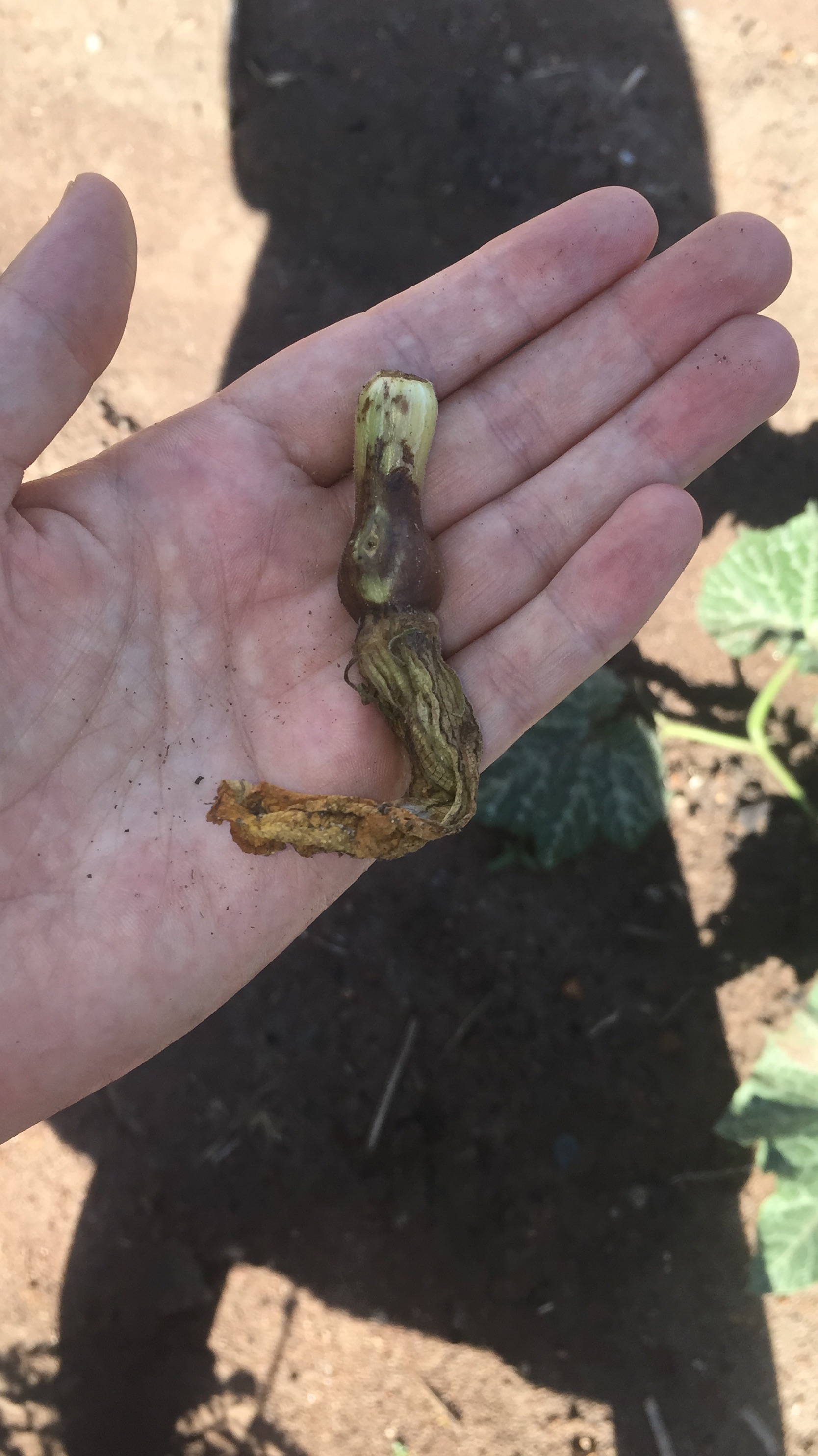
The baby butternut starts growing, then the flower blooms, and then the baby butternut dies. 


Sad, dead butternut


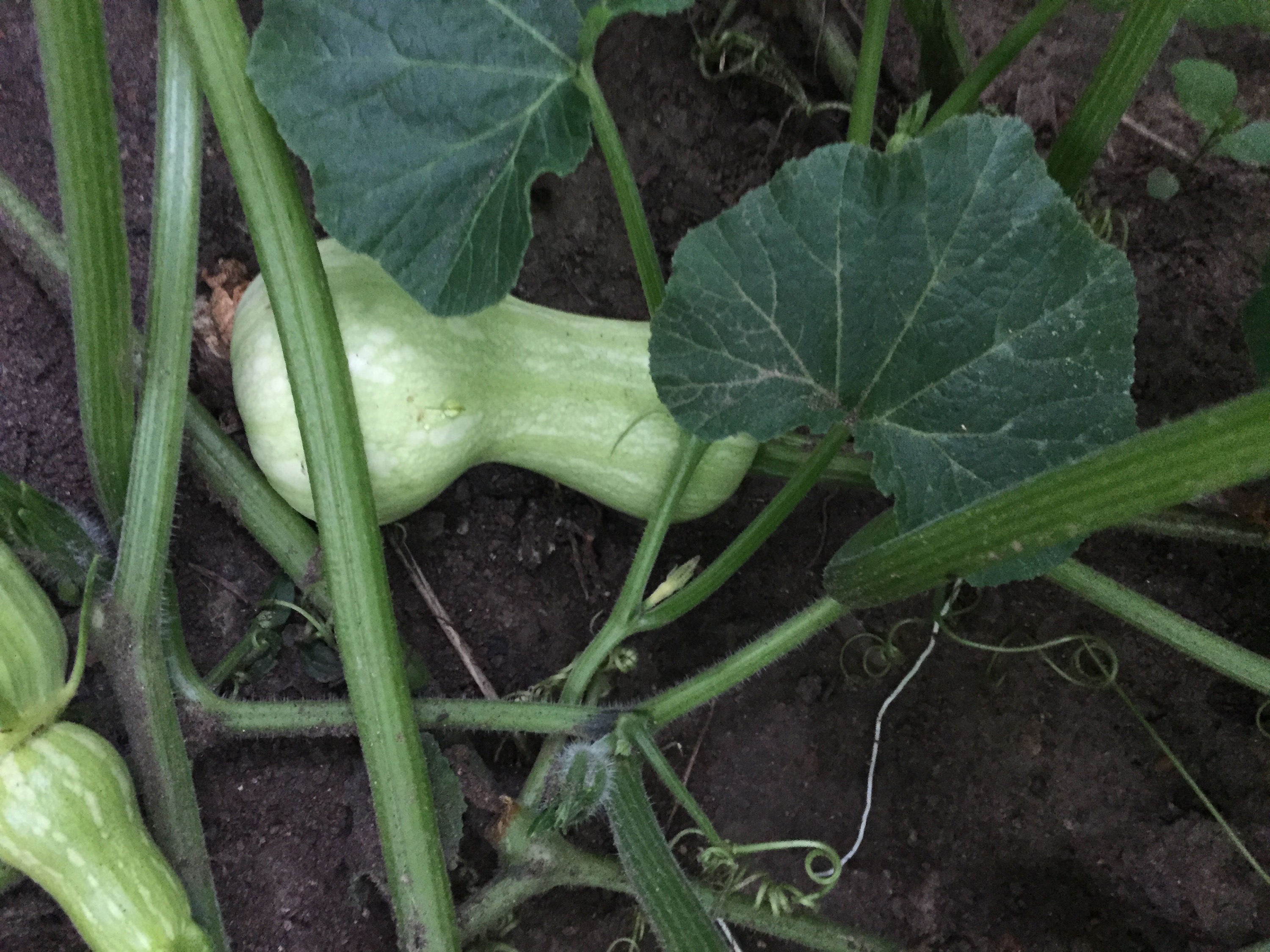
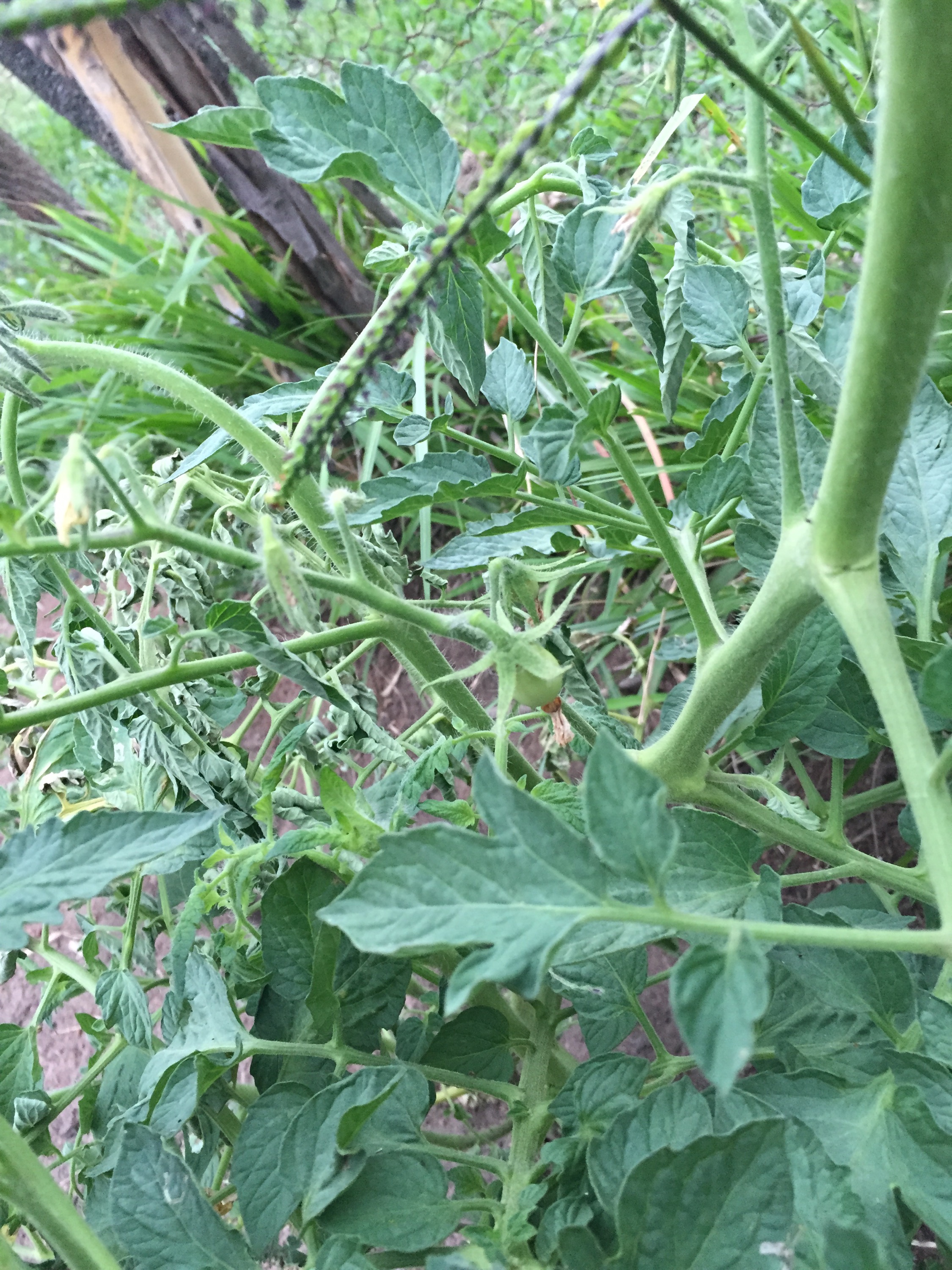
But it seems the tide might be changing. I have two butternuts growing now and one tomato! 


Posted in Africa, Peace Corps, Swaziland, Wednesday photo | Tagged , , , , , , | 3 Comments

Home for the holidays and advice on the Peace Corps life

I have lived far from my parents for many years. I went to university three hours away from my hometown. I studied abroad in Salzburg, Austria, twice, which included a summer program and a full school-year. My first job after college was on the other side of Ohio, and then I moved across the country to live in Utah. And now I have increased that distance by a few thousand more miles by moving to Swaziland.

I have spent many years of holidays away from the family I am linked to by blood, and I have learned many very important skills during these years away.

Most importantly, I need to think of the place I am living as home and the people I am living with as my family.

If you asked me right now where I am, I would say that I am at home and I would mean it. Everything I need to live I have right here. I have a roof over my head, food to eat, books to read, meaningful work to do, and my own Swazi family. I have a Peace Corps family filled with friends as well, and as I venture more and more out into the world, I am making more Swazi friends, too.

And like my favorite band The Head and the Heart sings in “Lost in my mind,” “Momma once told me / You’re already home where you feel loved.”

Let yourself love and be loved while serving in the Peace Corps. I am confident life will be better for it. Then, as the song continues, “Don’t you worry / Don’t you worry, don’t worry about me.”


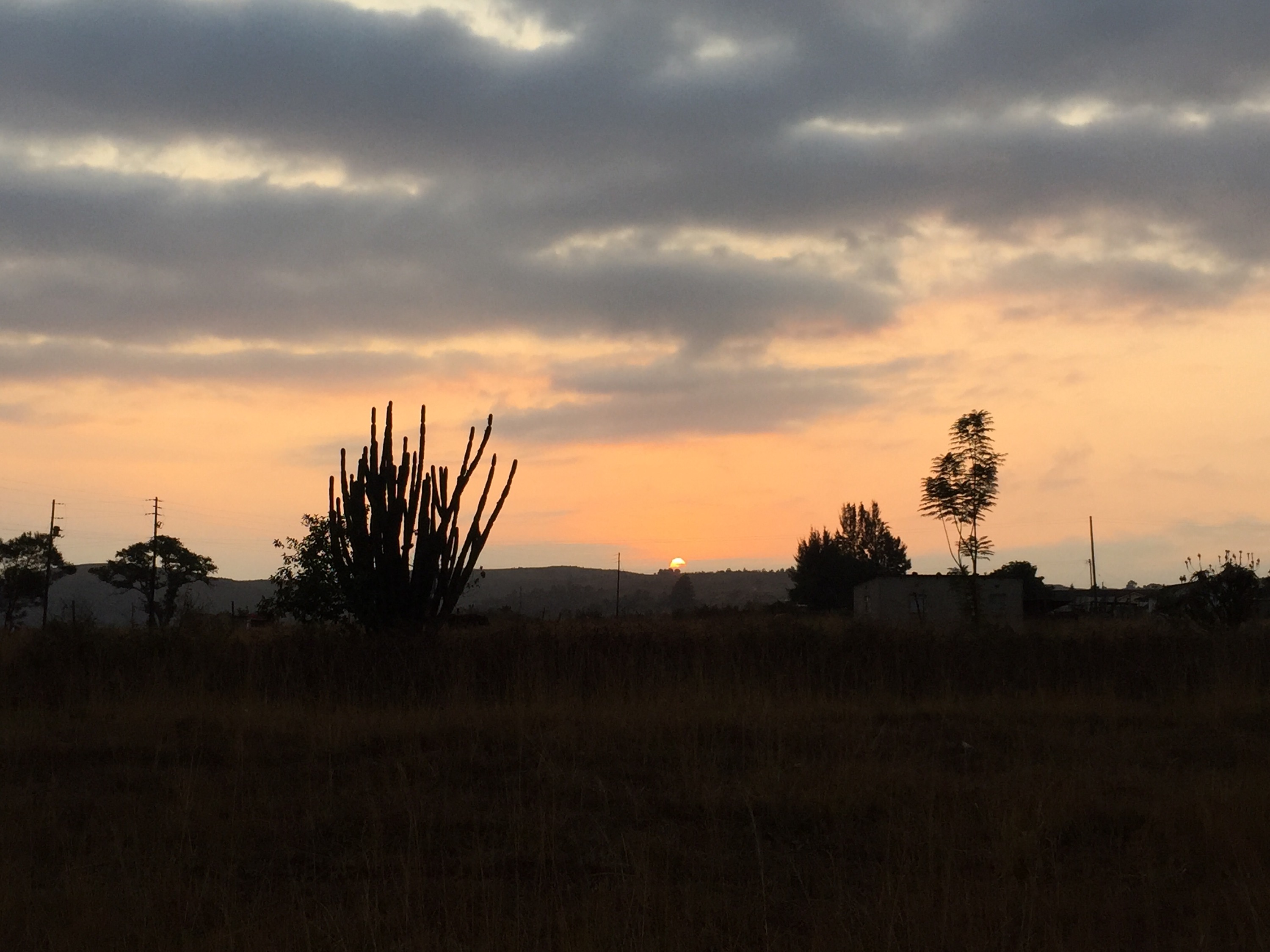
The sunrise my first morning on my own in training

 
I live in a beautiful place with beautiful people and that is enough for me. A fellow Swaziland volunteer even said she can see how I am thriving here, so do not worry about me. Plus, Peace Corps Swaziland takes real good care of its Volunteers on the Fourth of July and Thanksgiving.

I wish everyone living away from home could feel so at home wherever they are. As I was reading the blogs of current and past Peace Corps Volunteers in Swaziland and around the world as I prepared for my service, there were so many posts about Volunteers who were homesick over any and every holiday.

Unfortunately, I do not have much sympathy for you. I do not know the feeling of homesickness. I do like certain familial traditions, and I recreate those when I can instead. I grew up learning to be independent and to happily live on my own. Being able to do that is very important to successful Peace Corps service.


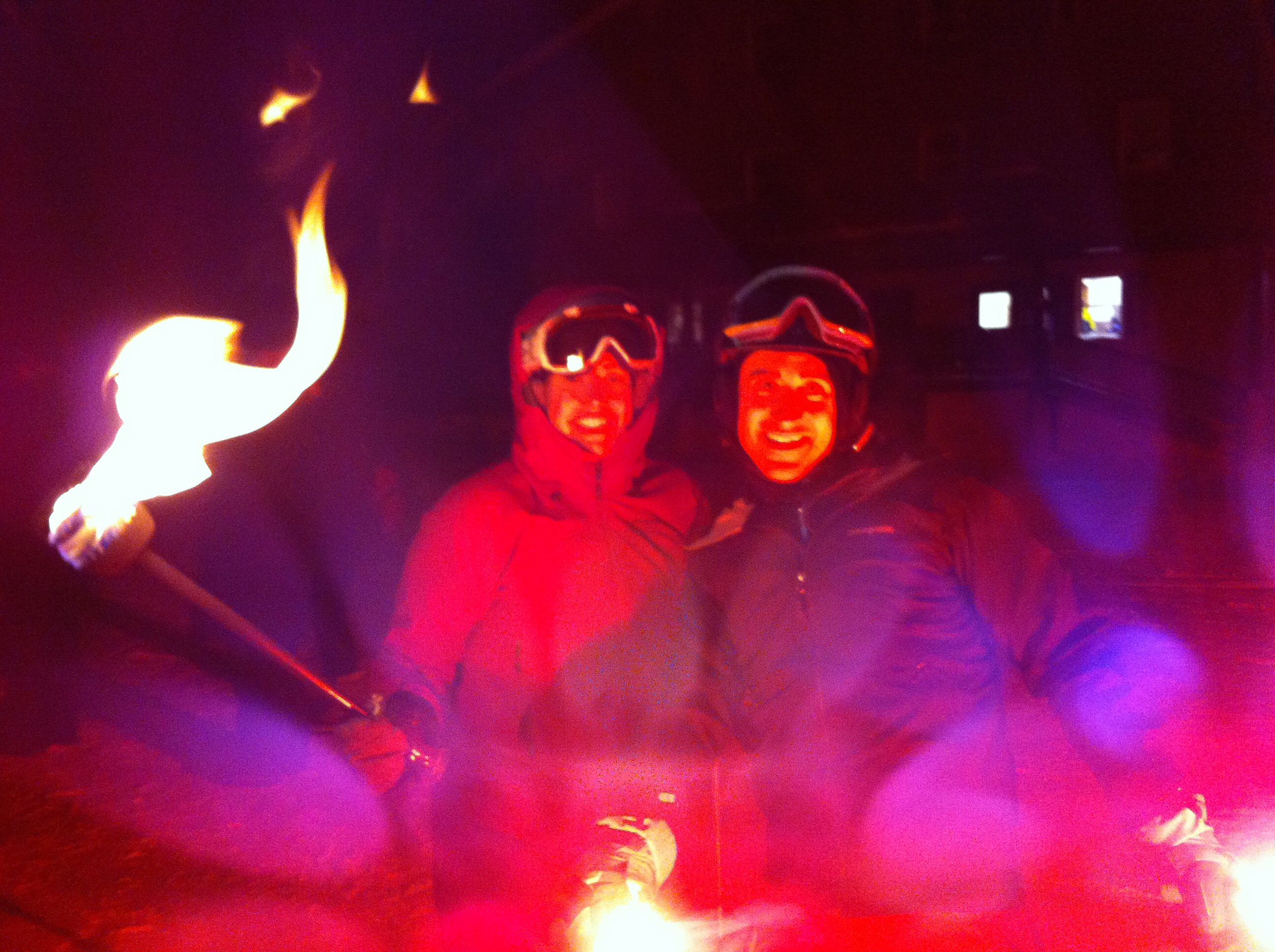
Who doesn’t love skiing with fire at Alta?

 
Sure, I wish I was in Utah skiing the torch parade at Alta, the only sort of New Year’s Eve tradition I have ever had, but I am not because I chose Swaziland and the Peace Corps. 

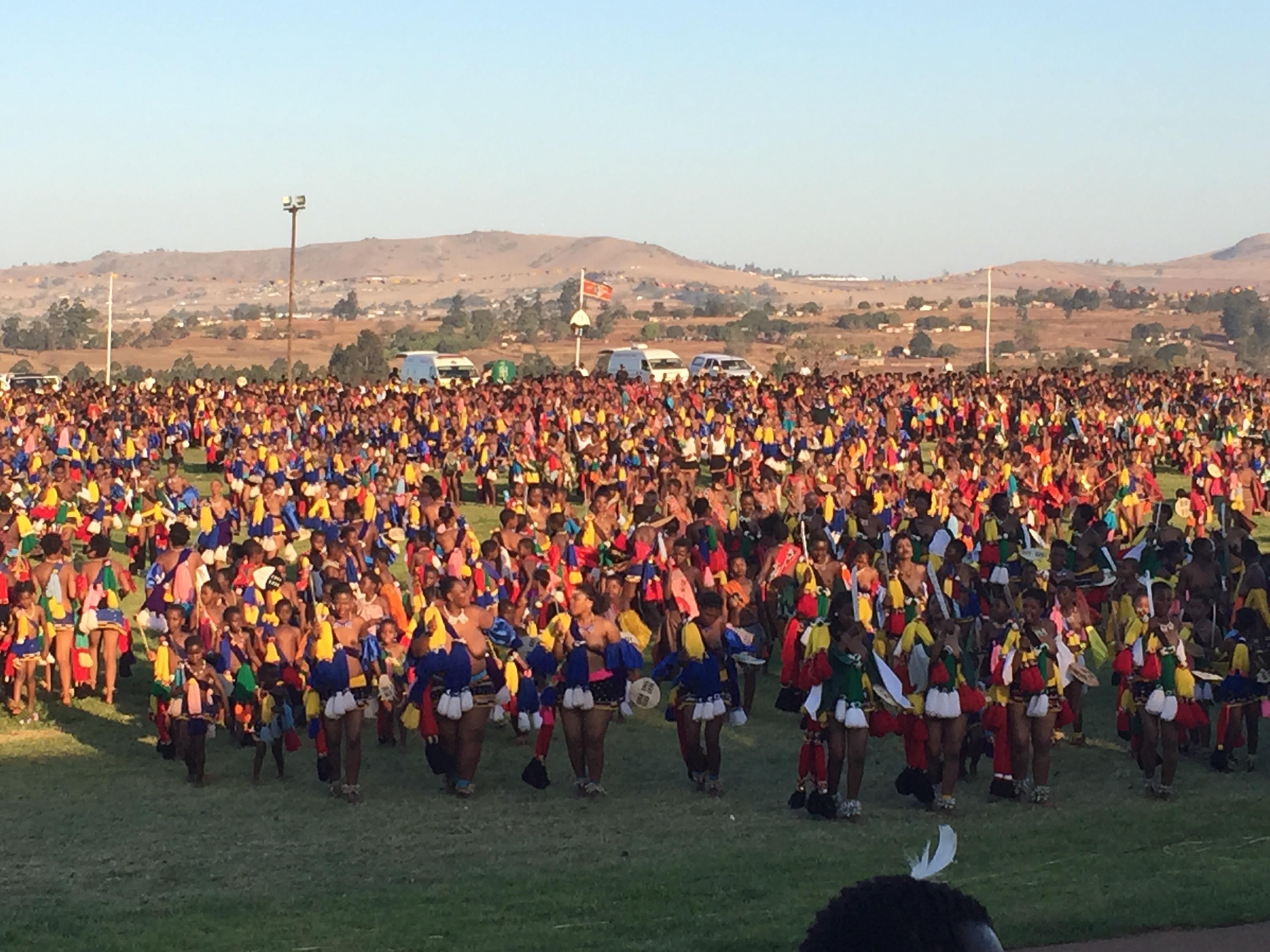
I also learned that holidays away from your regular routine give you the opportunity to learn and experience how others celebrate holidays that you share and the new holidays that each of you introduce (Krampustag in Austria and Pie and Beer Day in Utah are my favorite holidays I have experienced as I lived away from Ohio, and Swaziland’s two largest celebrations Umhlanga and Incwala have been a great introduction to this country’s traditions). These are moments where you get to see other peoples’ traditions and culture in action and become excellent teaching moments for two of Peace Corps’ three goals (share America with the people you are serving and share the culture of the people you are serving with Americans).


A portion of the 98,000 Umhlanga participants in 2016

 
To Swaziland’s incoming G15 and all the other potential PCVs out there, I have a few words of advice:

  • Think about what makes home homey to you. Bring those things or mementoes of those things with you. This could include photos, recipes, books, food, sheets, or your pillow.
  • Ask yourself if you are willing to accept a homestead full of strangers as your family and do everything possible to get them to accept you as part of them.
  • Learn to look inviting. You might look scary to the locals and particularly to their children. Be willing to interact with them, to play silly games or sing silly songs, and especially to laugh at yourself and smile.
  • Go on a trip alone and avoid your phone as your entertainment. There are so many hours here when you cannot escape being alone. Sometimes those hours also do not come with electricity or internet connection.
  • Go camping if it has been a few years since your last outdoor adventure. Not only will this be a good time to practice using any outdoor gear you bought that you are not accustomed to, but it will put into perspective your soon-to-be PCV life. Sometimes you have to walk far distances carrying 40 pounds of groceries, packages, and overnight gear. Sometimes you do not bathe every day. Sometimes the only toilet is the ground behind that shrub next to you, and the rest of the time it could be a potentially foul-smelling latrine. Sometimes your roof leaks everywhere and you have to find a way to protect your most important or difficult-to-replace possessions for weeks and sleep in a wet bed.
  • And finally, want to be here. Know that there will be a disconnect from the world you lived in before joining the Peace Corps. While serving, you will see friends get married, grandparents may die, babies will be born, and you will be on the other side of the planet. How important is it to you to be there for these life events? How important is it to celebrate Christmas with your blood family? (Of course, you can take vacation time to attend these events.) How important is it for you to continue participating in the life you left to join the Peace Corps? And is joining the Peace Corps the direction you want your life to be going or is it a break from the life you want to return to?

img_3179
Please consider these points. The Peace Corps will change you. It will likely change your view of the world, what you eat, what you think is necessary to survive, what you can live without, your friends, what you think makes life hard, and how far you can push yourself.

And the Peace Corps is also what you make of it. It can be like a ride on a lazy river if that is all you want to put in to your service, or it can be like Top Thrill Dragster, where you wait for a few seconds while the engines are revving and then you shoot off at 120 mph, sometimes struggle up the hill, coast over the top, and then rush to get everything completed in the downhill and final moments of a 17-second ride that turns into 27 months.

It’s up to you. But if you have come this far, why not make the most of your Peace Corps service? I want as much as possible out of my service, and I hope you do too. Think about all the things you have while being a Volunteer, what makes your life good, what makes you want to get out of bed the next morning, and I hope the Peace Corps life you are living is everything you want it to be and more.

Posted in Africa, Peace Corps, Swaziland | Tagged , , , , , , , , , | 1 Comment

Wednesday photo: Baking lessons

My baking school started soon after I moved into my permanent site. My bosisi were excited to partake in making baked goods, and then word spread as I shared with my language tutor. 

My tutor’s sister had wanted to bake with me for months, but it had not worked out. Finally, I was able to fit a quick chocolate cake lesson between batches of cookies. 


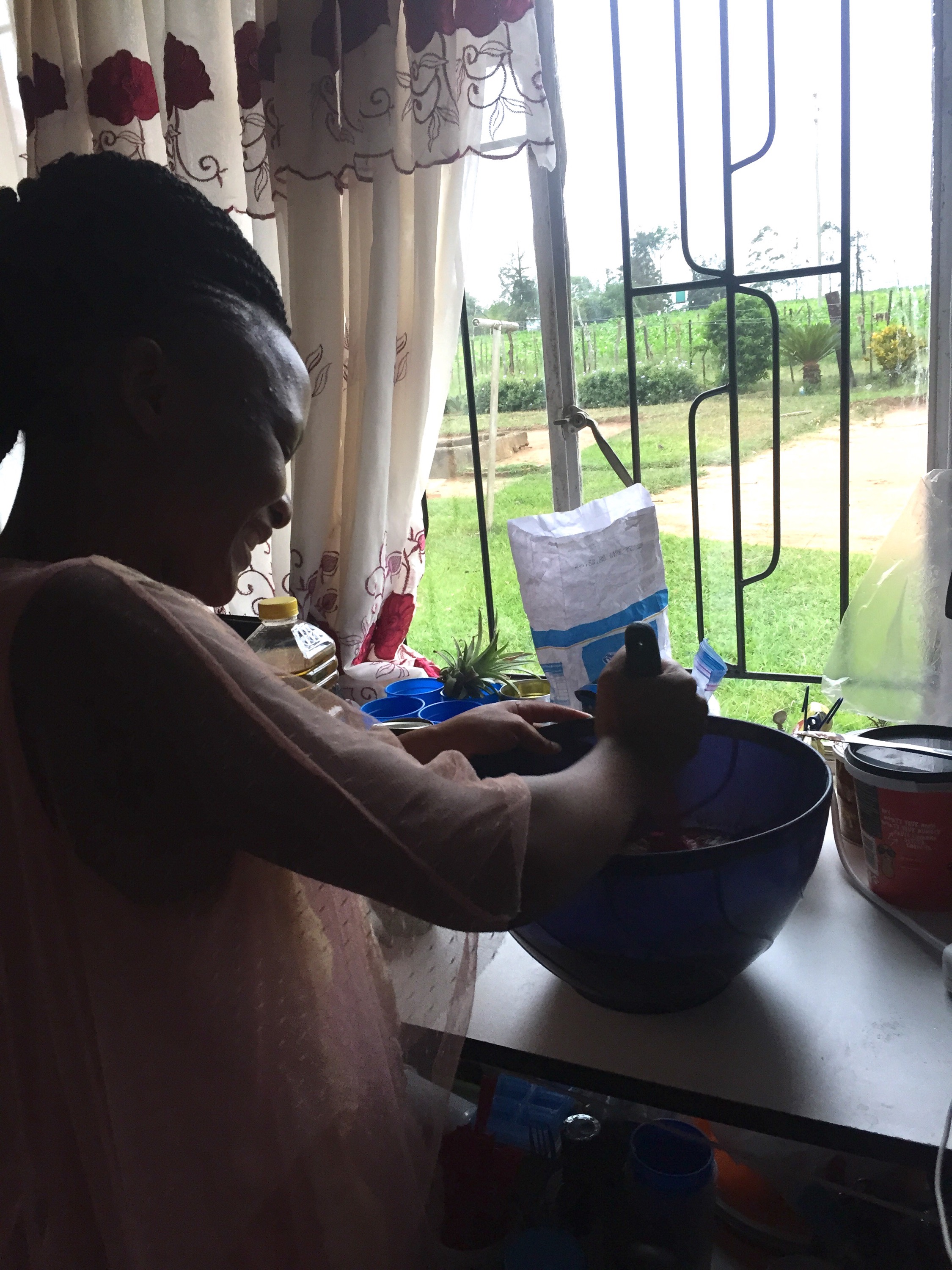
Nothando mixing the batter


She had a blast. And had chocolate cake to share with her family for Christmas! 

Posted in Africa, Peace Corps, Swaziland, Wednesday photo | Tagged , , , , , | 1 Comment

Wednesday photo: Happiness

I stood outside in the rain last night, so happy that it was falling gently. It has gone such a long time without any good rain. 

I have had a few excellent and happy but exceptionally busy days over the past week. 


Dressed for Incwala

 
Standing in the rain made me think about how at peace I am with life here. I am glad to be here. 

Posted in Africa, Peace Corps, Swaziland, Wednesday photo | Tagged , , , , , , | 2 Comments

Permagarden planting tips

Last week I participated in a truly amazing permagarden session with Peace Corps’ permagarden trainer Peter Jensen. I started a permagarden on my homestead in November and as I build and incorporate more parts, I will write a post about the basics.

A permagarden is simply what its name states: a permanent garden. There are specific tools and building techniques used to improve a garden so that it can provide produce year-round.

dscf3529

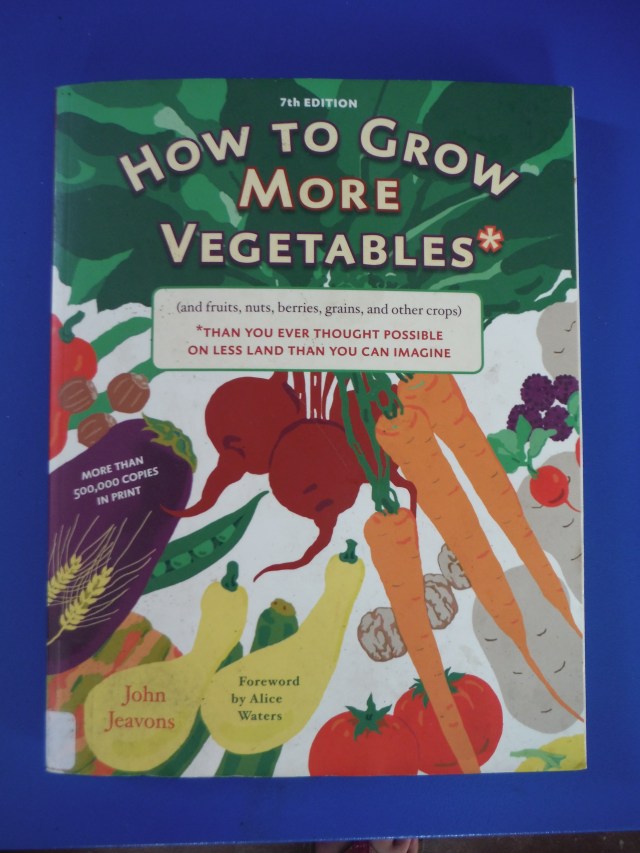
Our best reference book

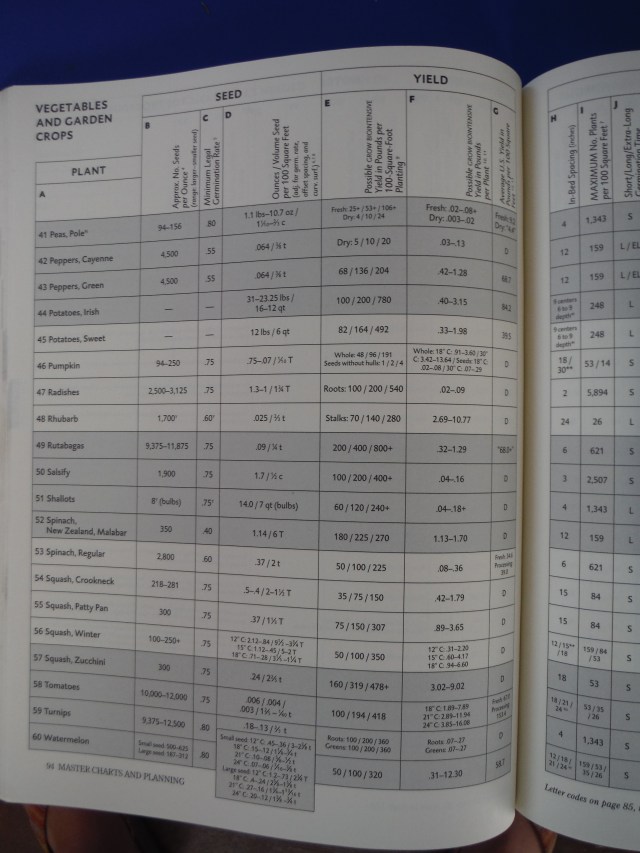
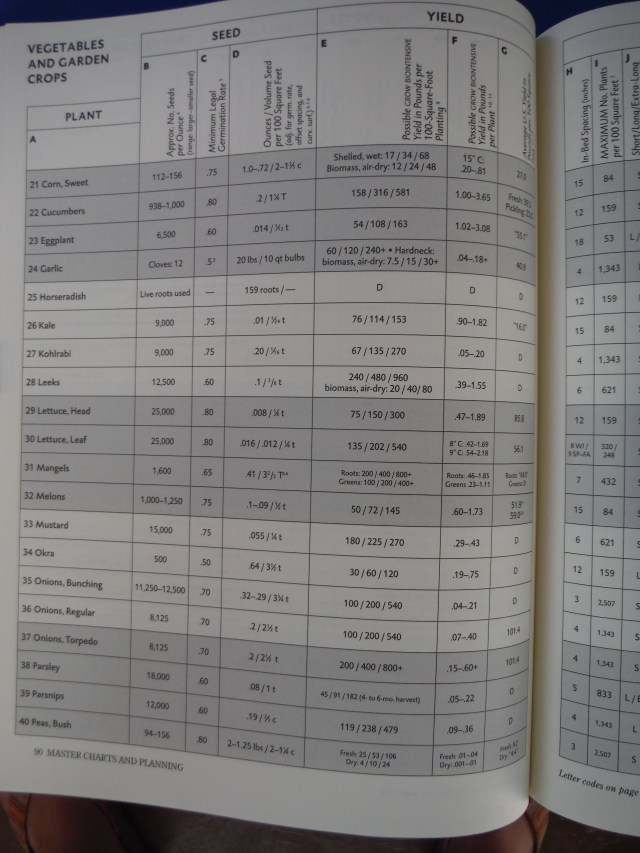
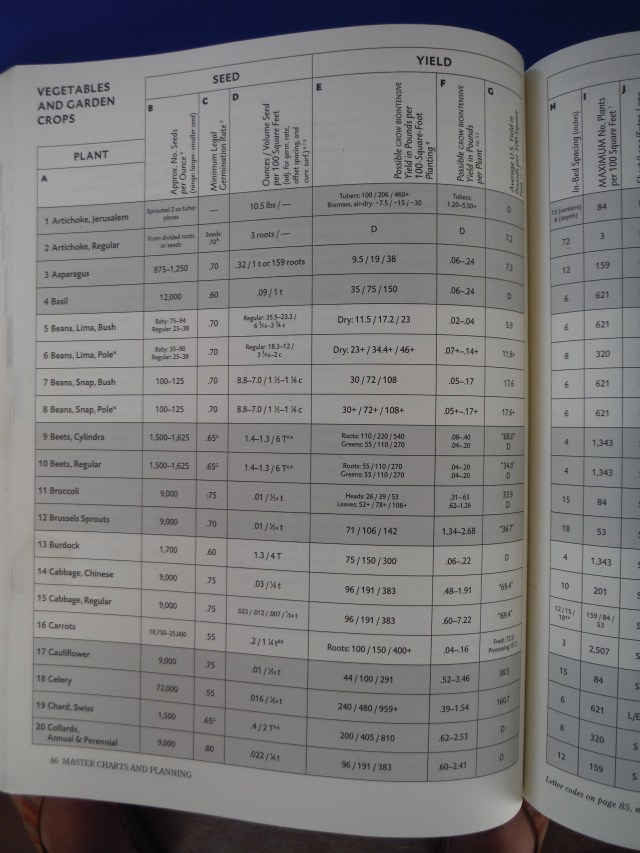
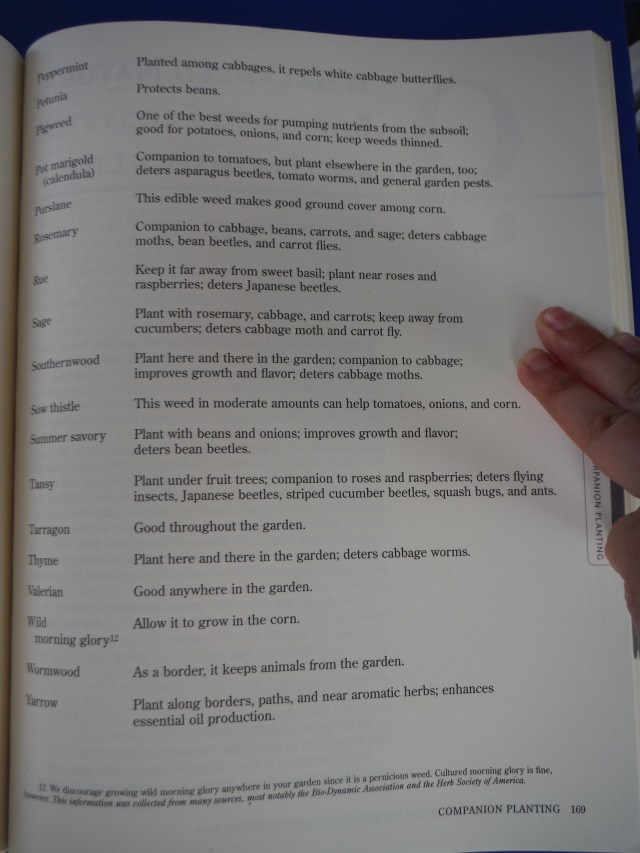
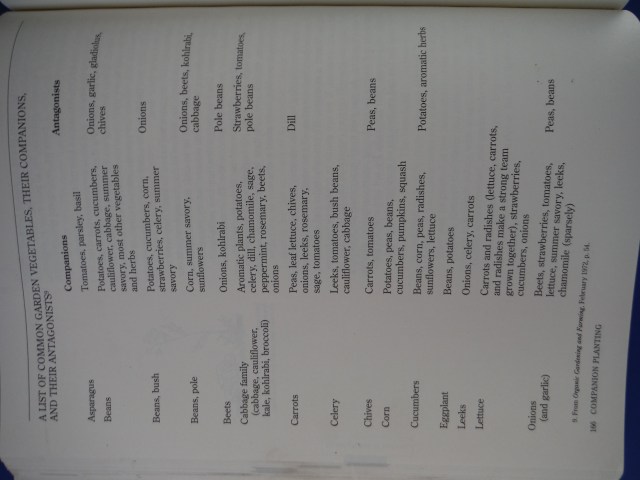
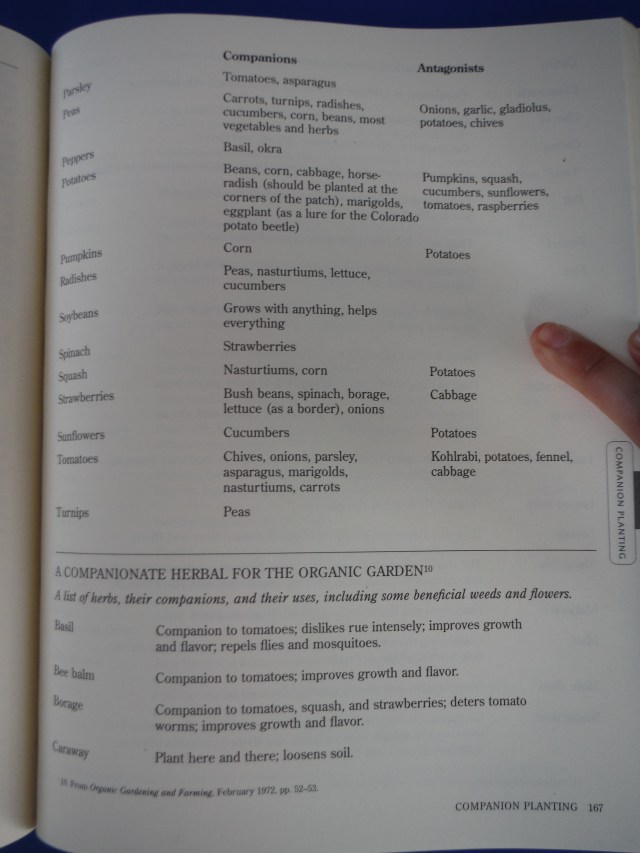
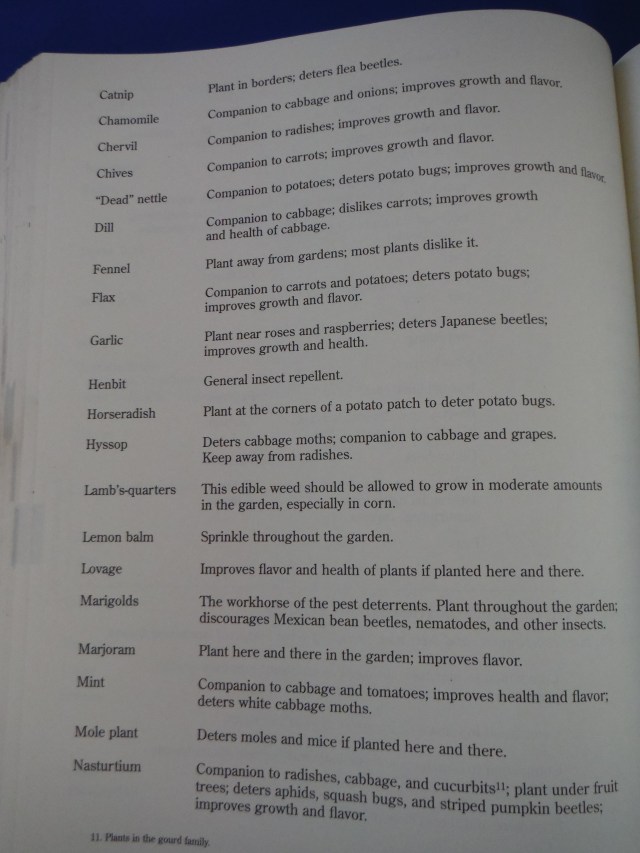
The library at the Swaziland office has a great resource called How to Grow More Vegetables by John Jeavons. This book covers many of the basics we have been taught plus more. The important parts from this book that were not covered or only in a limited fashion were temperatures different plants best grow in, companion plants, garden design, and seed or seedling spacing.

Below are photos of the pages with additional information for the reference of myself and all of the other Volunteers designing permagardens.

dscf3528

Plant-growing temperature ranges

Layout grids:


dscf3524

Seed, yield, and spacing

dscf3525

Seed, yield, and spacing

dscf3526

Seed, yield, and spacing

dscf3515

Companion plants (and this photo refuses to rotate. Sorry!)

dscf3516

Companion plants and herbal companions

dscf3517

Herbal companions

dscf3518

Herbal companions

Posted in Africa, Peace Corps | Tagged , , , , , , , , , | Leave a comment

Wednesday photo: Malandela’s

I live near Swaziland’s valley of heaven and it truly is beautiful. One of the beautiful places overlooking the valley is Malandela’s. 

The complex includes a B&B, multiple-stage conference venue, restaurant, and shops selling locally-made products. 

An excellent bacon cheeseburger

  
I have eaten at the restaurant twice and it has been delightful. 

  
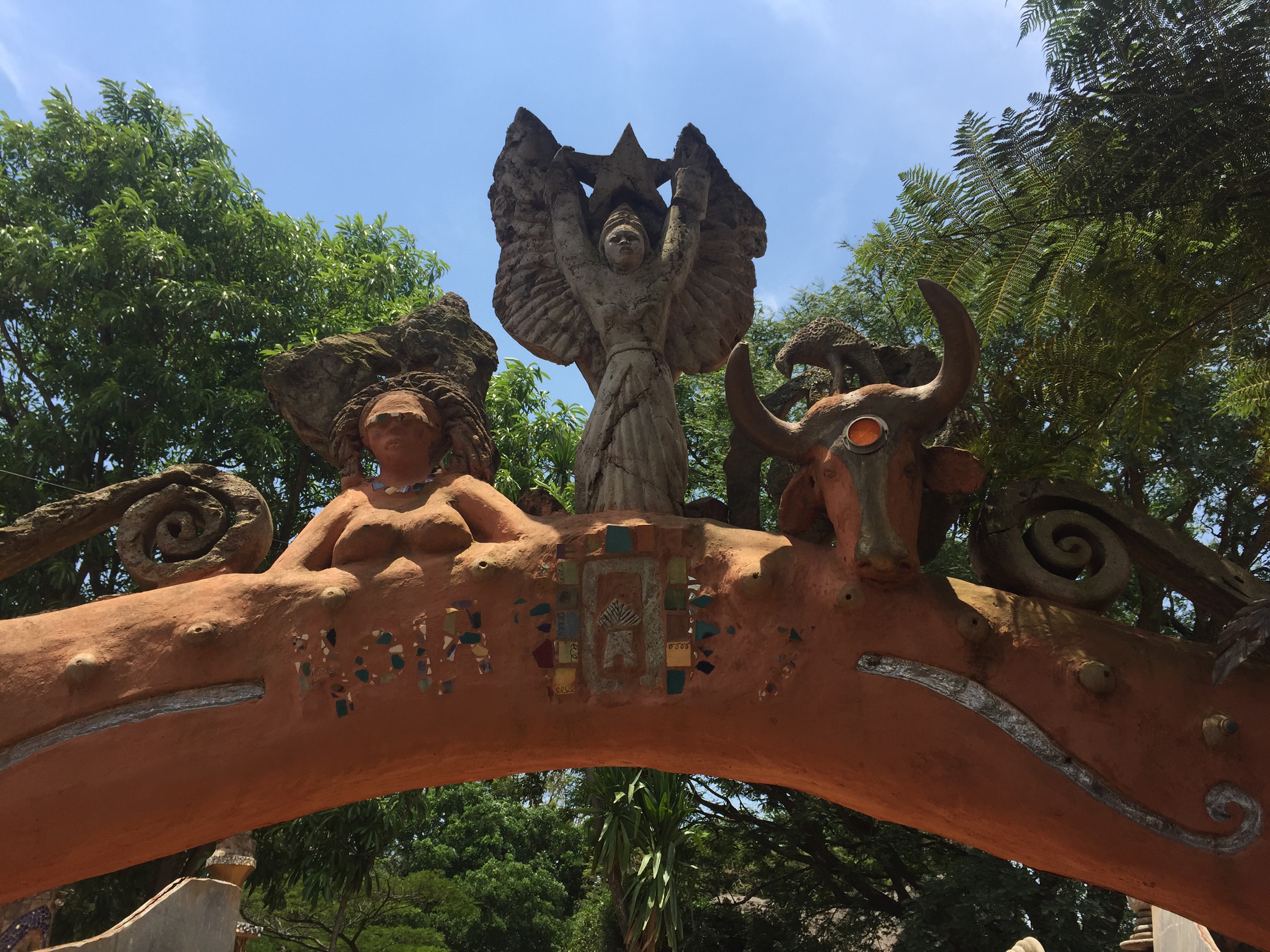
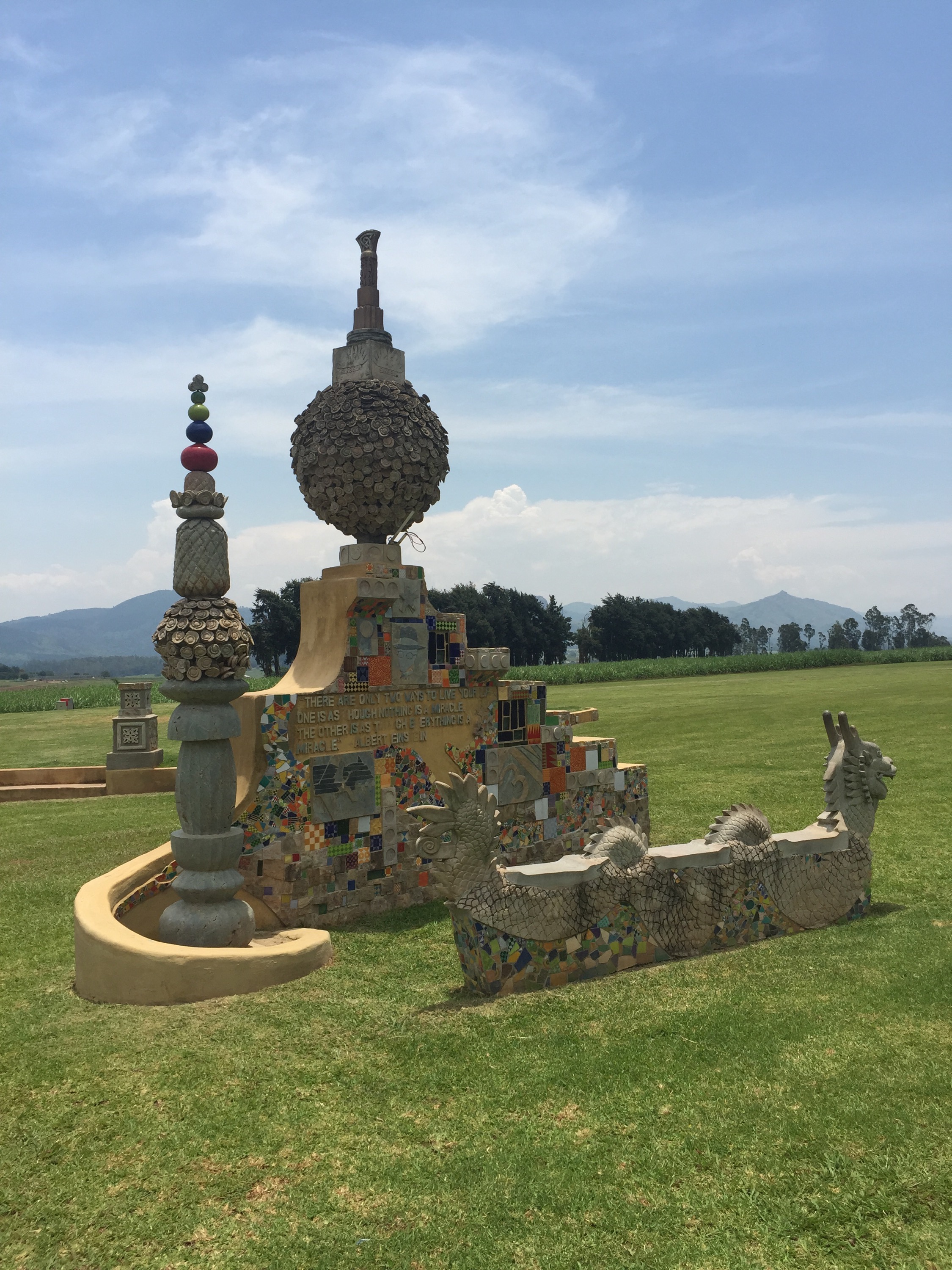
The art is also delightful. There is an eclectic mix of pieces spread throughout the grounds. I have heard that they tell a story, but I have not heard it yet. 


Posted in Africa, Peace Corps, Swaziland, Wednesday photo | Tagged , , , , , , | 6 Comments